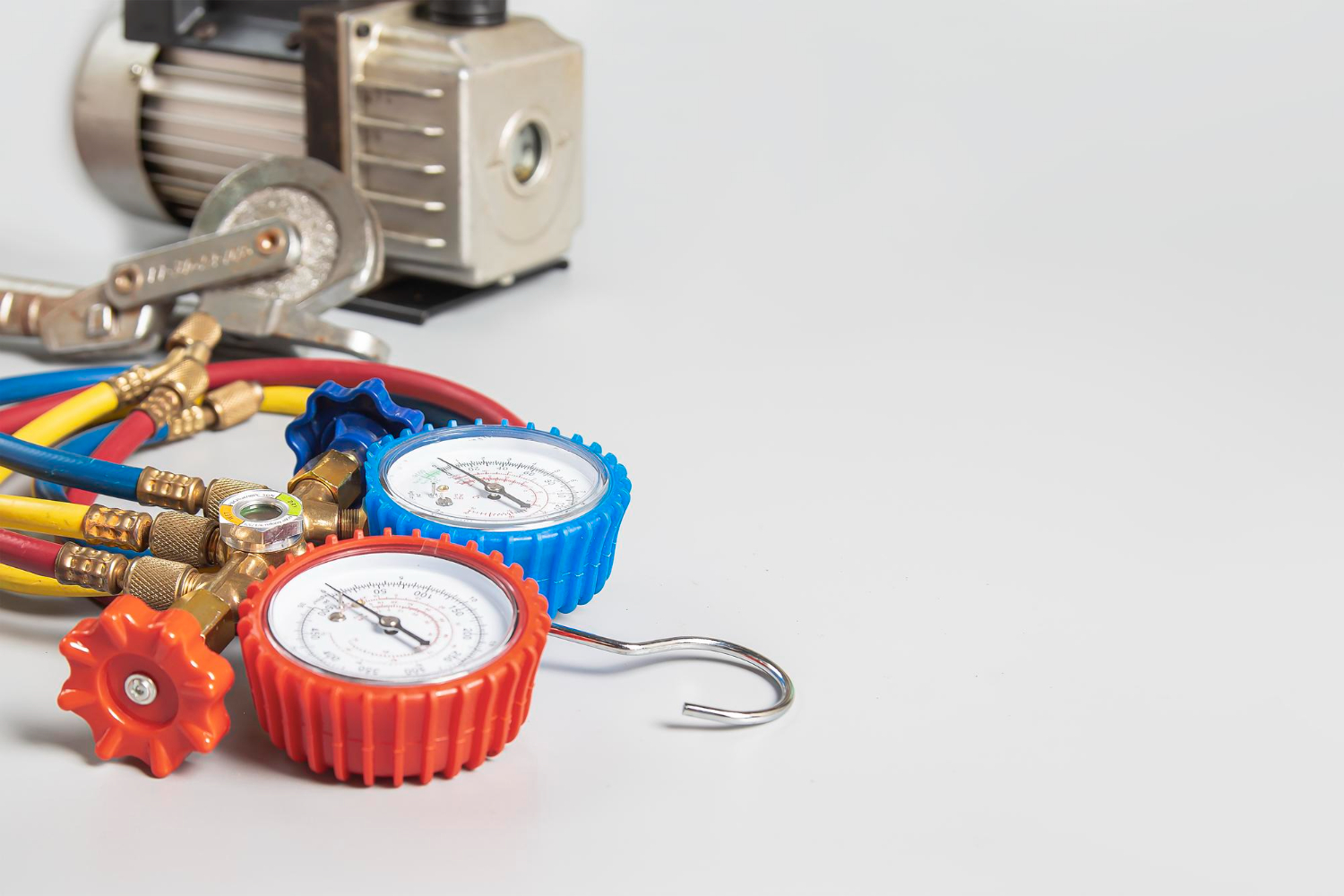
Air compressors are essential machines used in a wide range of industries, including manufacturing, automotive repair, construction, and woodworking. They convert power into compressed air, which is then used to operate pneumatic tools, machinery, and industrial equipment. While the compressor itself is important, its performance depends greatly on various parts and accessories that support its operation.
Understanding the key air compressor parts and accessories can help businesses improve efficiency, maintain equipment properly, and extend the lifespan of the compressor system. In this blog, we will explore the most important components and accessories you should know when working with air compressors.
What Is an Air Compressor?
An air compressor is a device that takes in atmospheric air and compresses it to increase pressure. The compressed air is stored in a tank and later used to power tools and machines. Air compressors are commonly used for tasks such as spray painting, tire inflation, drilling, cutting, sanding, and industrial automation.
Industrial air compressors are designed for heavy-duty applications and continuous operation. They include multiple parts and accessories that ensure smooth performance, safety, and reliability.
Important Air Compressor Parts
1. Air Intake Filter
The air intake filter is responsible for filtering dust, dirt, and other contaminants from the air before it enters the compressor. Clean air is essential for protecting internal components and maintaining efficient operation.
A clogged or dirty filter can restrict airflow and reduce compressor efficiency. Regular cleaning or replacement of the intake filter helps maintain optimal performance and prevents damage to internal parts.
2. Compressor Pump
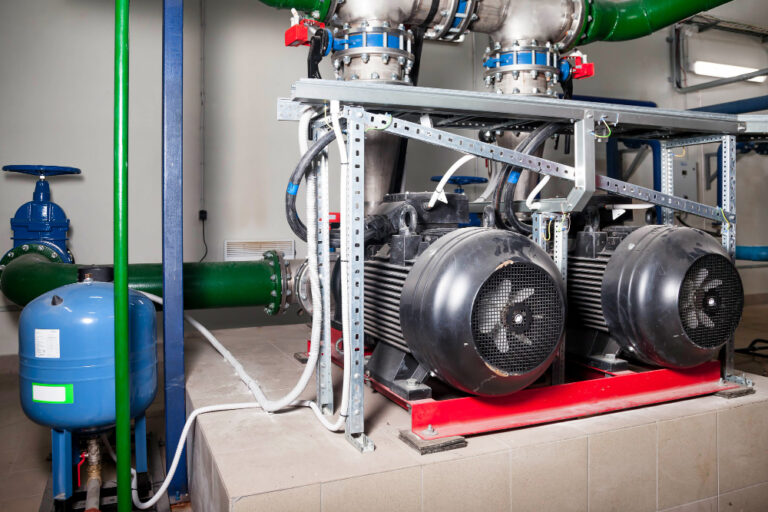
The compressor pump is the core component of the air compressor. It compresses the incoming air and increases its pressure before sending it to the storage tank.
Different types of compressor pumps are used depending on the application, including piston compressors and rotary screw compressors. Industrial systems often use rotary screw pumps because they provide continuous airflow and higher efficiency.
3. Electric Motor
The electric motor provides the mechanical power needed to run the compressor pump. It converts electrical energy into mechanical motion that drives the pump mechanism.
The motor may operate through a direct-drive or belt-driven system. High-quality motors are essential for maintaining reliable compressor performance, especially in industrial environments where compressors operate for long hours.
4. Air Receiver Tank
The air receiver tank stores compressed air produced by the compressor. It acts as a reservoir that supplies air to tools and equipment when needed.
The tank helps stabilize air pressure, reduce compressor cycling, and improve system efficiency. In addition, it allows moisture in the compressed air to settle before the air moves through the system.
5. Pressure Switch
The pressure switch controls the automatic operation of the compressor. It monitors the pressure level inside the air tank and turns the compressor on or off accordingly.
When the pressure drops below the minimum set level, the compressor starts automatically. Once the maximum pressure is reached, the switch stops the compressor to prevent over-pressurization.
6. Pressure Regulator
The pressure regulator controls the pressure of the air delivered to pneumatic tools. Different tools require different pressure levels, and the regulator allows users to adjust the pressure according to the application.
Maintaining the correct pressure improves tool performance and prevents damage caused by excessive pressure.
7. Safety Valve
The safety valve is an important protective component in any air compressor system. It releases excess air if the pressure inside the tank exceeds the safe limit.
This safety mechanism prevents dangerous pressure buildup and protects both equipment and operators from potential accidents.
Essential Air Compressor Accessories
In addition to core components, several accessories enhance the performance and efficiency of an air compressor system.
1. Air Hoses
Air hoses are used to transfer compressed air from the compressor to pneumatic tools and equipment. High-quality hoses ensure efficient airflow and prevent pressure loss.
Industrial air hoses are designed to withstand high pressure and harsh working environments.
2. Air Dryer
Compressed air contains moisture that can damage tools and machinery if not removed. Air dryers remove water vapor from compressed air before it reaches the equipment.
Dry air is especially important in industries such as painting, electronics manufacturing, and food processing where moisture can affect product quality.
3. Moisture Separator
A moisture separator removes water droplets from compressed air lines. It helps protect pneumatic tools from corrosion and improves system reliability.
Moisture separators are often used along with air dryers to maintain clean and dry compressed air.
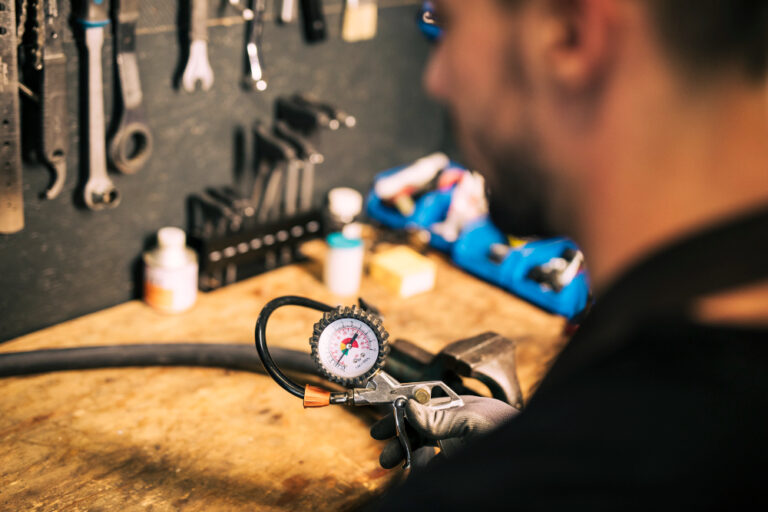
4. Pressure Gauges
Pressure gauges measure the pressure level inside the compressor tank and air lines. They allow operators to monitor system performance and ensure the compressor operates within safe limits.
Accurate pressure readings help maintain efficiency and prevent equipment damage.
5. Quick Couplers
Quick couplers allow tools and hoses to be connected or disconnected quickly and easily. They improve workflow efficiency by reducing the time needed to change tools.
These connectors are widely used in workshops and industrial facilities where multiple pneumatic tools are used.
6. Air Lubricators
Air lubricators add a small amount of oil to the compressed air stream. This lubrication helps reduce friction in pneumatic tools and improves their lifespan.
Lubricated air ensures smoother tool operation and reduces wear on internal components.
Importance of Choosing the Right Parts and Accessories
Selecting high-quality air compressor parts and accessories is crucial for maintaining system efficiency and reliability. Poor-quality components can lead to air leaks, reduced performance, and frequent equipment breakdowns.
Using the correct accessories also helps improve safety and productivity in industrial operations. Properly maintained compressors consume less energy and deliver consistent performance.
Maintenance Tips for Air Compressor Systems
Regular maintenance of air compressor parts and accessories ensures long-term performance and reliability. Here are some basic maintenance practices:
- Clean or replace air filters regularly
- Inspect hoses and fittings for leaks
- Drain moisture from the air tank daily
- Check oil levels in lubricated compressors
- Monitor pressure gauges and safety valves
- Service air dryers and moisture separators periodically
Routine maintenance reduces downtime and keeps the compressor system running efficiently.
Conclusion
Air compressors are powerful machines that play a vital role in many industries. However, their performance depends not only on the compressor itself but also on the various parts and accessories that support its operation.
Components such as the compressor pump, motor, air tank, pressure switch, and safety valve work together to generate and control compressed air. Accessories like air hoses, dryers, moisture separators, and quick couplers further enhance system performance and usability.
By understanding these air compressor parts and accessories, businesses can maintain their equipment properly, improve efficiency, and ensure reliable operation for years to come.