Air compressors are powerful machines widely used across industries such as manufacturing, automotive, construction, woodworking, and maintenance workshops. They work by converting power into compressed air that can operate a variety of pneumatic tools and machines. From powering spray guns and impact wrenches to supporting large industrial automation systems, air compressors play a critical role in modern operations.
However, the efficiency and performance of an air compressor depend on several internal components working together. Understanding the essential parts of an air compressor and their functions helps users maintain the equipment properly and ensure reliable performance. In this blog, we will explore the most important air compressor parts and explain how each component contributes to the overall operation.
What Is an Air Compressor?
An air compressor is a machine that draws in atmospheric air, compresses it to increase its pressure, and stores it in a tank for later use. The stored compressed air can then be released to power various tools and machinery.
Air compressors are commonly used in garages, workshops, factories, and industrial plants. They are available in different types, such as piston compressors, rotary screw compressors, and centrifugal compressors, depending on the required application and capacity.
Regardless of the type, most air compressors share several essential components that enable them to operate efficiently.
Key Air Compressor Parts and Their Functions
1. Air Intake Valve
The air intake valve is the starting point of the air compression process. Its main function is to allow atmospheric air to enter the compressor system.
When the compressor begins operating, the intake valve opens and pulls air into the compression chamber. This air is then compressed by the compressor pump. The intake valve ensures a steady and continuous flow of air into the system.
2. Air Filter
The air filter plays an important role in protecting the compressor from dust, dirt, and other airborne particles. Industrial environments often contain contaminants that can damage internal components if allowed to enter the compressor.
The air filter removes these impurities before the air reaches the compressor pump. Clean air helps improve compressor efficiency and reduces wear on internal parts.
Regular cleaning or replacement of the air filter is essential for maintaining proper airflow and preventing system damage.
3. Compressor Pump
The compressor pump is often referred to as the heart of the air compressor. It is responsible for compressing the air and increasing its pressure.
The pump works by reducing the volume of air within a chamber. As the air volume decreases, its pressure increases. Once compressed, the air is transferred to the storage tank.
Different types of compressor pumps are used depending on the application. Piston pumps are common in smaller compressors, while rotary screw pumps are widely used in industrial environments for continuous air supply.
4. Electric Motor or Engine
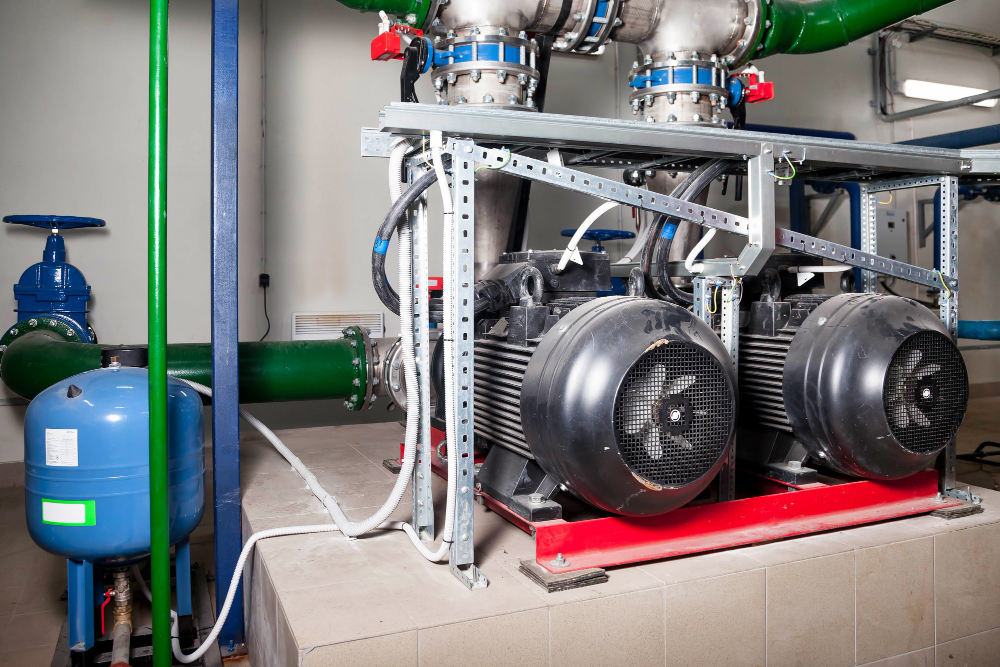
The electric motor or engine provides the power needed to drive the compressor pump. It converts electrical energy or fuel energy into mechanical motion.
Most industrial air compressors use electric motors because they offer consistent performance and energy efficiency. In mobile or remote applications, compressors may use diesel or gasoline engines.
The motor rotates the pump through a direct drive or belt-driven mechanism, enabling the compression process.
5. Air Receiver Tank
The air receiver tank stores the compressed air produced by the compressor. It acts as a reservoir that holds pressurized air until it is needed.
The tank helps maintain consistent pressure in the system and ensures a steady supply of air for pneumatic tools and machinery. It also reduces the frequency of compressor cycling, which improves efficiency and extends equipment life.
Additionally, the tank allows moisture present in compressed air to settle, helping improve air quality.
6. Pressure Switch
The pressure switch controls the automatic operation of the air compressor. It monitors the pressure inside the air tank and determines when the compressor should start or stop.
When the tank pressure falls below a preset minimum level, the pressure switch activates the compressor. Once the pressure reaches the maximum set level, the compressor automatically shuts off.
This automated control system helps maintain proper pressure levels and prevents overloading the compressor.
7. Pressure Regulator
The pressure regulator controls the air pressure delivered to tools and equipment. Different pneumatic tools require different pressure levels to operate efficiently.
The regulator allows operators to adjust the output pressure according to the requirements of the application. This ensures optimal tool performance and prevents damage caused by excessive pressure.
8. Safety Relief Valve
The safety relief valve is an essential safety component in any air compressor system. It protects the compressor and its users from dangerous pressure levels.
If the pressure inside the air tank exceeds the safe limit, the safety valve automatically releases excess air. This prevents tank rupture, equipment damage, and potential accidents.
Safety valves are critical for maintaining safe compressor operation.
9. Cooling System
Air compression generates heat due to the increase in pressure. Without proper cooling, this heat can damage internal components and reduce compressor efficiency.
The cooling system helps control temperature during operation. Industrial compressors may use air cooling or water cooling systems depending on the size and design of the machine.
Proper cooling prevents overheating and ensures smooth and reliable compressor performance.
10. Lubrication System
Many air compressors include a lubrication system that reduces friction between moving parts. Components such as pistons, bearings, and cylinders require lubrication to operate smoothly.
Lubricating oil circulates through the compressor and protects mechanical components from wear and tear. Proper lubrication improves efficiency and extends the life of the machine.
Some compressors use oil-free technology, especially in industries where clean air is essential, such as pharmaceuticals and food processing.
How These Components Work Together
All the essential air compressor parts work together to create a continuous compression cycle.
First, atmospheric air enters the compressor through the intake valve and passes through the air filter. The compressor pump then compresses the air with the help of the motor. The compressed air is stored in the receiver tank until it is needed.
The pressure switch monitors the pressure level and controls the compressor operation automatically. The pressure regulator adjusts the air pressure delivered to tools, while the safety valve protects the system from excessive pressure.
Meanwhile, the cooling and lubrication systems maintain proper operating conditions to ensure efficient and reliable performance.
Importance of Regular Maintenance
Maintaining air compressor components is essential for ensuring long-term reliability and efficiency. Regular maintenance helps identify potential problems before they cause equipment failure.
Some important maintenance practices include:
- Cleaning or replacing air filters regularly
- Checking oil levels in lubricated compressors
- Inspecting hoses and connections for leaks
- Draining moisture from the air receiver tank
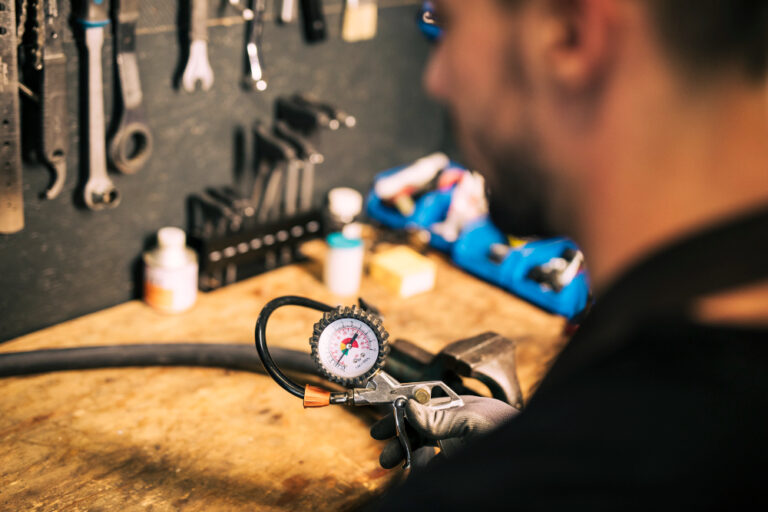
- Monitoring pressure gauges and safety valves
- Inspecting belts and electrical components
Proper maintenance not only improves performance but also reduces energy consumption and extends the life of the compressor.
Conclusion
Air compressors are vital machines used in many industrial and commercial applications. Their ability to provide reliable compressed air depends on several essential components working together efficiently.
Parts such as the air intake valve, compressor pump, motor, receiver tank, pressure regulator, and safety valve each play an important role in the compression process. Understanding these components helps operators maintain their equipment properly and ensure safe and efficient operation.
By learning about the essential air compressor parts and their functions, businesses can improve productivity, reduce downtime, and maintain a reliable compressed air system for years to come.