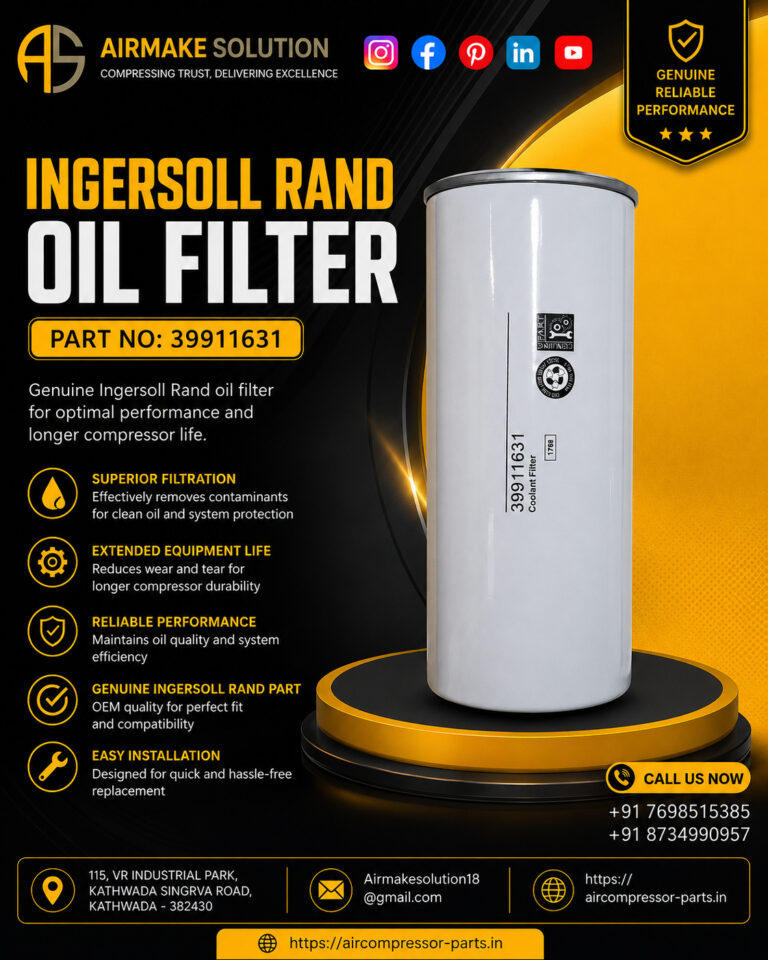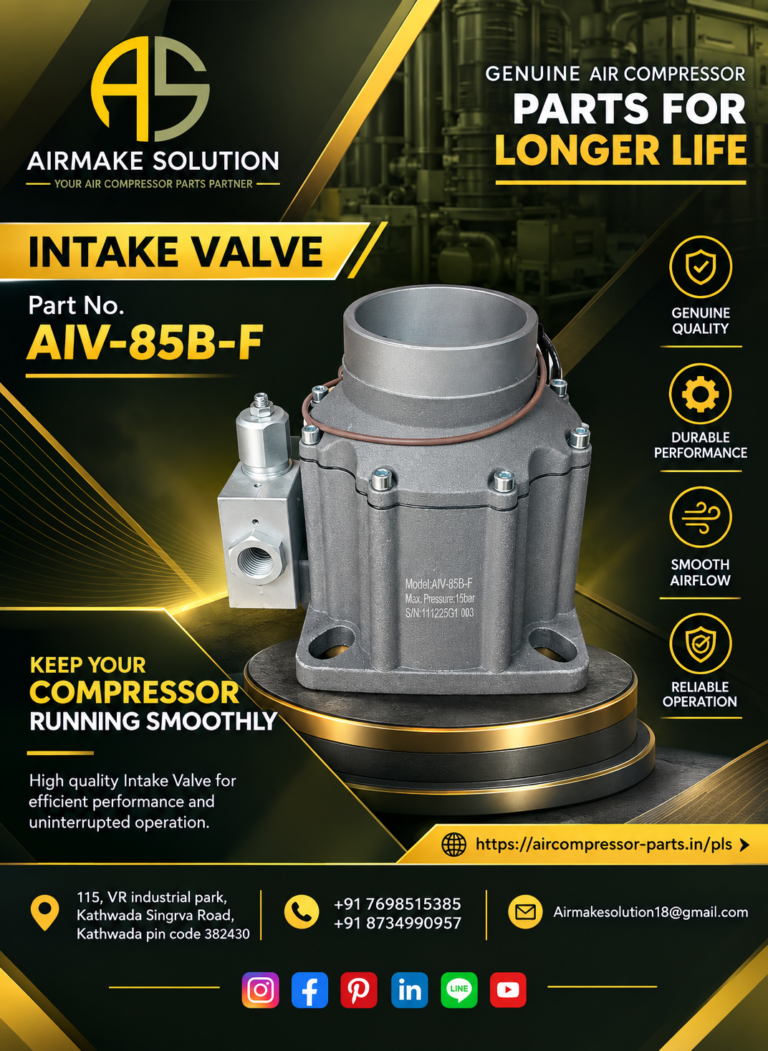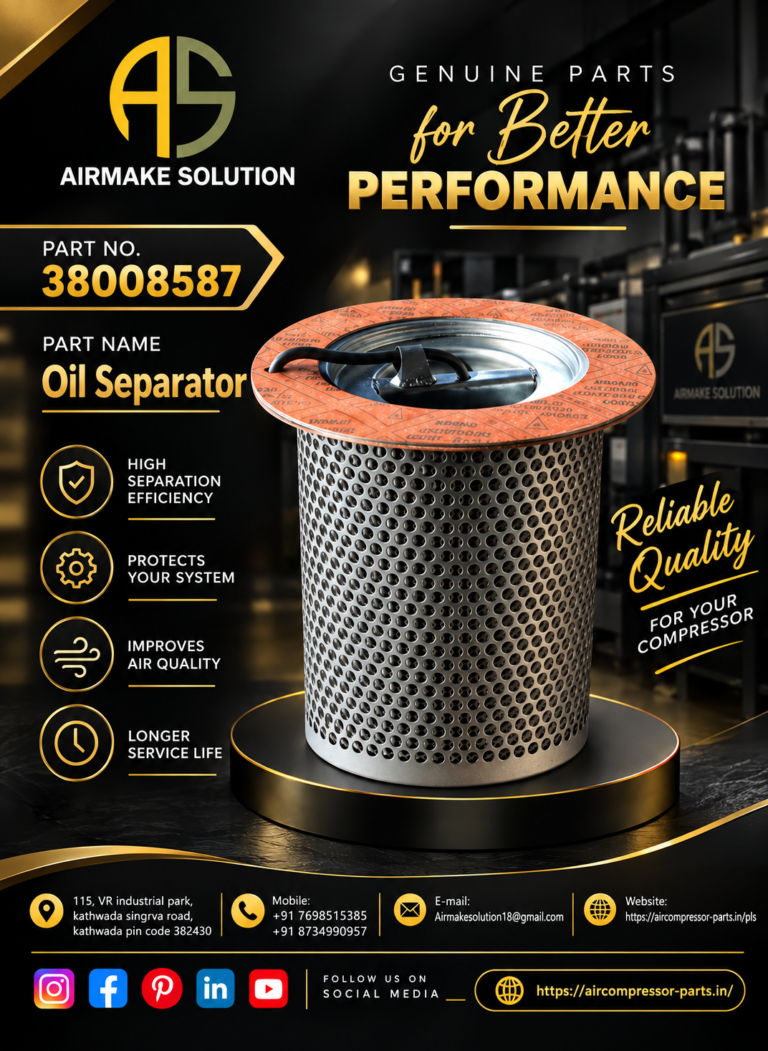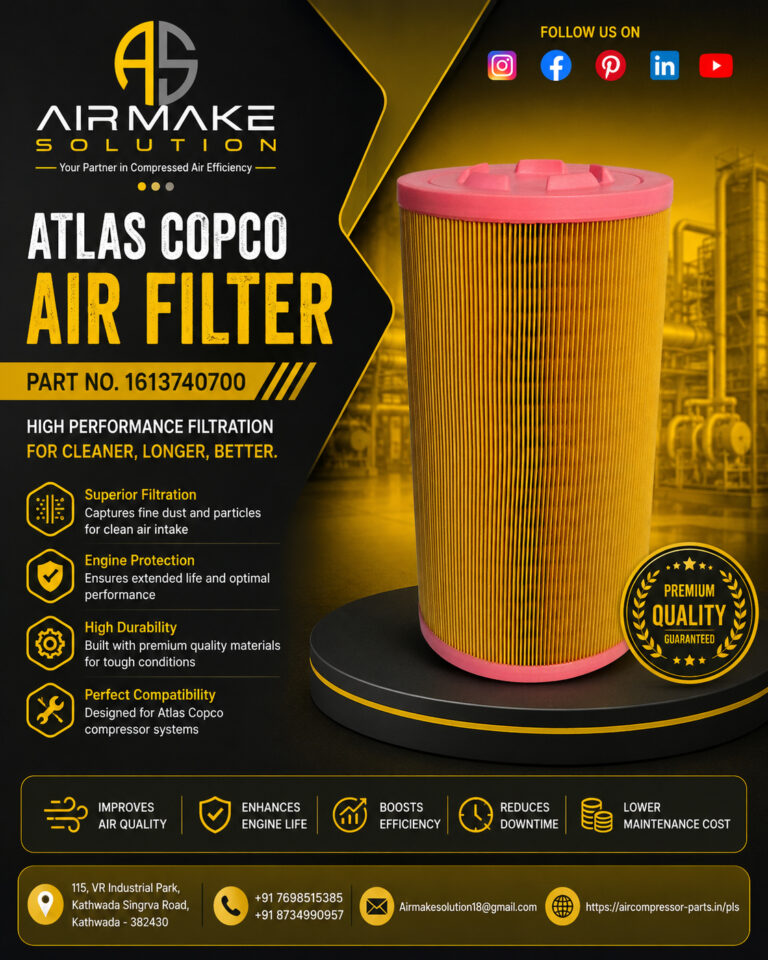
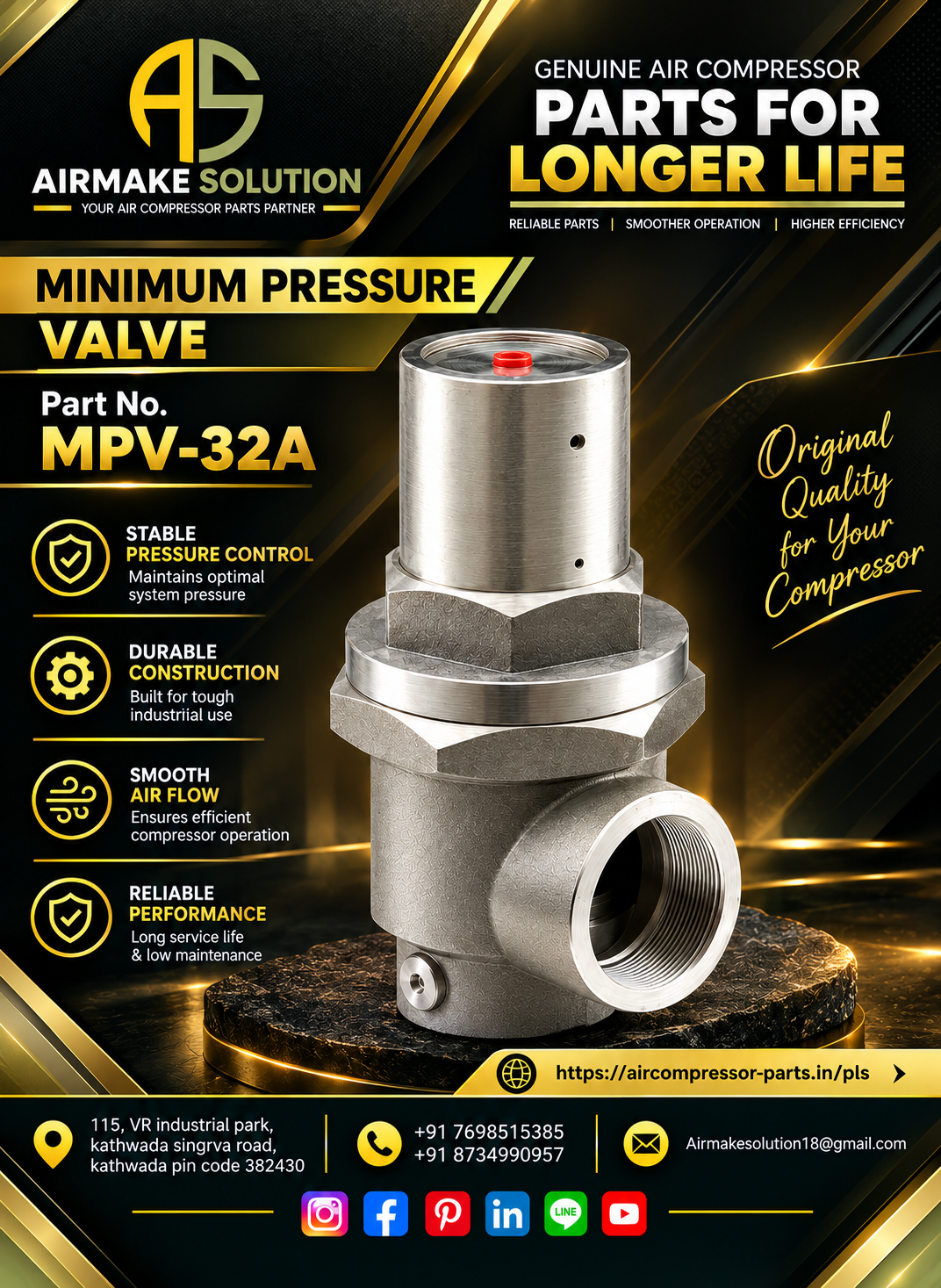
A Minimum Pressure Valve (MPV) plays an important role in maintaining stable pressure and reliable operation in oil-injected screw air compressors. The MPV-32A Minimum Pressure Valve shown in this AirMake Solution post is designed as a compressor pressure-control component for applicable screw compressor systems.
The valve helps maintain the required internal pressure before allowing compressed air to move through the downstream air system. This function supports proper oil circulation, helps the oil-air separation system operate effectively, and can help prevent reverse airflow when the compressor stops.
Public product references identify the MPV-32A as a 32 mm minimum pressure valve. One published specification lists the MPV-32A for a nominal 32 mm connection, with a typical flow range of approximately 2.5–7.0 m³/min and a maximum pressure of 16 bar for that MPV series. Actual specifications and compatibility can vary by manufacturer and compressor configuration, so users should verify the valve against the compressor model, connection size, operating pressure, and serial number before installation.
What Is a Minimum Pressure Valve?
A minimum pressure valve is a pressure-regulating component commonly used in rotary screw air compressors.
Unlike a simple on/off valve, an MPV manages airflow according to the pressure conditions inside the compressor system. During startup, the valve can remain closed or restricted while the compressor builds the required internal pressure. Once the pressure reaches the valve’s opening setting, the valve allows compressed air to flow toward the air receiver or downstream treatment equipment.
This controlled operation helps the compressor establish suitable internal conditions before delivering compressed air to the system.
The MPV also commonly incorporates a non-return function to help prevent reverse airflow when the compressor unloads or shuts down. Published MPV documentation describes the series as combining minimum-pressure control with reliable non-return operation.
MPV-32A Minimum Pressure Valve Part Number
The product featured in the AirMake Solution post carries the following identification:
- Part No.: MPV-32A
- Part Name: Minimum Pressure Valve
- Component Type: Compressor pressure-control valve
- Nominal Diameter: 32 mm
- Application: Applicable screw air compressor systems
- Connection: Public references for the MPV-32A identify a G1 1/4 connection
- Supplier: AirMake Solution
A published MPV-32A product reference specifically identifies the valve for screw air compressor applications and lists a G1 1/4 connection.
Always compare the existing valve, connection dimensions, pressure requirements, and compressor documentation before ordering a replacement.
How Does an MPV Work in a Screw Compressor?
The minimum pressure valve works as part of the compressor’s compressed-air and oil-separation system.
When the compressor starts, the system needs to build pressure internally. The MPV helps restrict downstream airflow during this stage. Once the required pressure is reached, the valve opens sufficiently to allow compressed air to move through the outlet system.
This operating sequence can provide several important functions:
- It helps establish minimum internal pressure.
- It supports oil circulation inside an oil-injected compressor.
- It allows compressed air to move toward downstream equipment after the required pressure is reached.
- It helps reduce the possibility of reverse airflow during shutdown.
- It supports stable compressor operation during load and unload cycles.
The exact opening pressure and operating characteristics depend on the valve design and compressor configuration.
Why Does Minimum Pressure Matter?
Oil-injected screw compressors rely on controlled pressure and oil circulation to operate effectively. If internal pressure does not develop correctly, the compressor may experience operating problems.
A properly functioning MPV helps maintain the pressure conditions required by the compressor’s oil circuit and separator system.
The valve therefore contributes to the overall operation of the compressor rather than simply controlling the final air pressure delivered to a plant.
This distinction is important. The MPV should not be confused with the main pressure regulator used to control the pressure supplied to production equipment.
Benefits of Using an MPV-32A
1. Supports Stable Pressure Control
The MPV helps maintain the minimum pressure required within the compressor system. Stable pressure conditions can support consistent compressor operation.
2. Supports Proper Oil Circulation
Oil-injected screw compressors use oil for lubrication, cooling, and sealing. Maintaining suitable internal pressure supports the oil circulation process.
3. Helps Protect the Oil-Air Separation System
The compressor separator needs appropriate operating conditions to separate oil from compressed air effectively. A properly functioning minimum pressure valve supports these conditions.
4. Helps Prevent Reverse Airflow
The non-return function found in many MPV designs helps prevent compressed air from flowing backward toward the compressor when operating conditions change or the compressor shuts down.
5. Supports Smooth Compressor Operation
A correctly matched MPV can help the compressor transition between startup, loaded operation, unloading, and shutdown more effectively.
6. Supports Maintenance Reliability
Replacing a worn or malfunctioning valve with the correct replacement component can help restore proper pressure-control performance and reduce the risk of related operating problems.
Signs of a Faulty Minimum Pressure Valve
A damaged, worn, contaminated, or incorrectly adjusted MPV can affect compressor operation.
Common symptoms may include:
- Incorrect internal compressor pressure
- Delayed pressure build-up
- Unstable compressor operation
- Abnormal pressure behavior during startup
- Reverse airflow after shutdown
- Increased oil carryover
- Unusual pressure drop
- Problems during load/unload operation
- Leakage around the valve
- Increased compressor maintenance requirements
These symptoms can also originate from other compressor components. Therefore, technicians should inspect the complete pressure, oil, separator, and control system before replacing the MPV.
Why Should You Replace a Worn MPV?
Like other compressor components, a minimum pressure valve can experience wear over time.
Seals can deteriorate, internal components can become contaminated, springs can lose their intended characteristics, and valve seats can develop wear. These conditions can change the valve’s pressure-control behavior.
A worn MPV may therefore prevent the compressor from maintaining its intended internal operating conditions.
Replacing the valve with a correctly specified replacement can help restore the pressure-control function and support reliable compressor operation.
MPV-32A Maintenance Considerations
Regular inspection can help identify MPV problems before they lead to larger compressor issues.
During maintenance, technicians can inspect:
- Valve body condition
- Threaded connections
- Sealing surfaces
- O-rings and seals
- Internal valve movement
- Signs of oil leakage
- Pressure behavior
- Reverse-flow behavior
- Connection dimensions
- Operating pressure
The maintenance schedule should follow the compressor manufacturer’s recommendations and the actual operating environment.
Compressors working in dusty, humid, high-temperature, or heavily loaded environments may require more frequent inspection.
Choose the Correct MPV for Your Compressor
Selecting a minimum pressure valve based only on the part name is not enough.
Before purchasing an MPV-32A, compare:
Part number: MPV-32A
Connection size: Verify against the existing compressor connection
Nominal diameter: 32 mm
Operating pressure: Verify system requirements
Flow capacity: Match the compressor’s airflow requirement
Valve configuration: Confirm the correct connection and construction
Compressor model: Verify manufacturer and model
Serial number: Use it whenever available
Public references show different MPV-32A specifications depending on the product series and manufacturer. For example, one source lists 2.5–7.0 m³/min and 16 bar, while another MPV-32A listing gives different pressure characteristics. This demonstrates why buyers should confirm the exact valve specification before installation rather than relying only on the MPV-32A name.
MPV-32A for Industrial Air Compressor Maintenance
Industrial screw compressors operate continuously in many manufacturing environments. A pressure-control component such as an MPV can therefore have an important role in maintaining dependable operation.
When the valve functions correctly, it helps maintain the compressor’s intended internal pressure conditions and supports the interaction between the compressor element, oil circuit, separator and compressed-air outlet.
For maintenance teams, selecting the correct replacement part can help simplify service work and reduce the risk of installing an incorrectly sized or incorrectly configured valve.
Install the Valve Correctly
Correct installation is just as important as selecting the correct part.
Before installation, technicians should:
- Shut down the compressor.
- Isolate the compressor from the compressed-air system.
- Completely release stored pressure.
- Follow the compressor manufacturer’s safety procedures.
- Remove the existing valve carefully.
- Inspect the connection and sealing surfaces.
- Compare the replacement valve with the removed component.
- Install the correct seals or O-rings where required.
- Tighten connections according to the applicable manufacturer’s instructions.
- Restart the compressor and check for leaks and abnormal pressure behavior.
Never work on a pressurized compressor system. Always follow the applicable service manual and workplace safety procedures.
Keep Your Compressor Pressure System Reliable
A minimum pressure valve may be a relatively compact component, but it performs an important function in a screw compressor’s operating system.
The MPV-32A Minimum Pressure Valve can support stable internal pressure, proper oil-system operation, controlled compressed-air flow and non-return functionality in compatible compressor applications.
For this reason, maintenance teams should not ignore symptoms such as abnormal pressure build-up, reverse airflow, leakage, or unstable compressor operation.
Early inspection can help identify valve problems and prevent them from contributing to larger compressor maintenance issues.
Buy MPV-32A Minimum Pressure Valve from AirMake Solution
AirMake Solution provides air compressor spare parts and maintenance components for industrial compressed-air systems.
The MPV-32A Minimum Pressure Valve featured in this post is presented as a replacement component for applicable screw air compressor systems.
When ordering, provide the part number, compressor brand, compressor model and serial number whenever possible. This information helps confirm the correct component before installation.
Product Details
Product: Minimum Pressure Valve
Part No.: MPV-32A
Application: Applicable screw air compressor systems
Brand/Supplier: AirMake Solution
For product availability and compatibility assistance, contact AirMake Solution using the details shown in the product post.
Conclusion
The MPV-32A Minimum Pressure Valve is an important pressure-control component for applicable screw air compressor systems. By helping maintain minimum internal pressure and supporting controlled airflow and non-return operation, an MPV can contribute to stable compressor performance.
Proper maintenance, correct installation and accurate part selection remain essential. Always verify the MPV-32A against your compressor’s model, connection size, operating pressure and serial number before purchasing.
For industrial compressor maintenance, selecting the right pressure-control component can help maintain reliable operation and support the overall performance of the compressed-air system.