
- Home
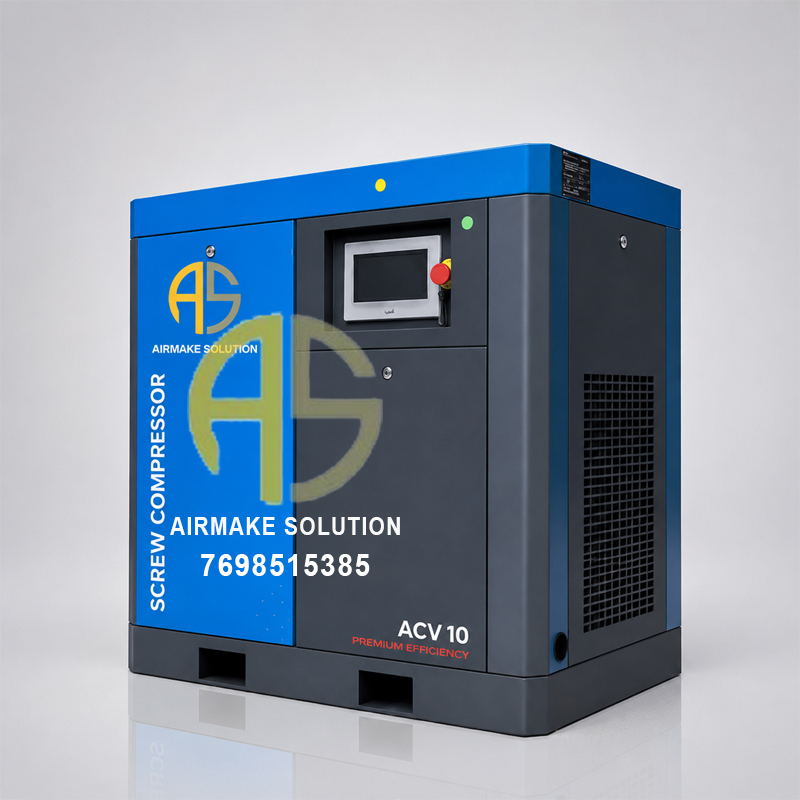
- Air screw conmpressor
- Air Compressor
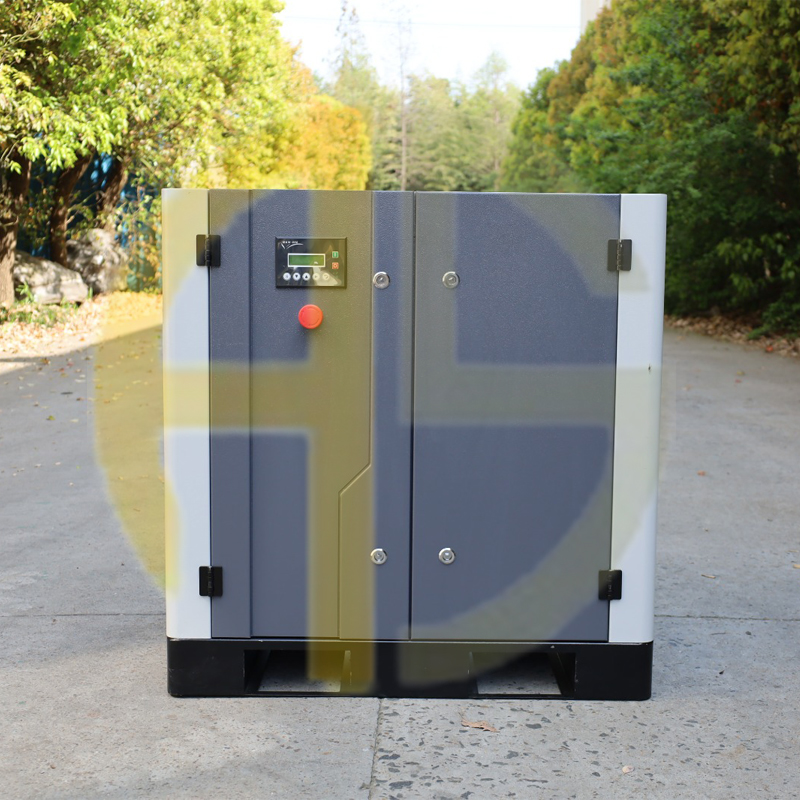
Air Compressor
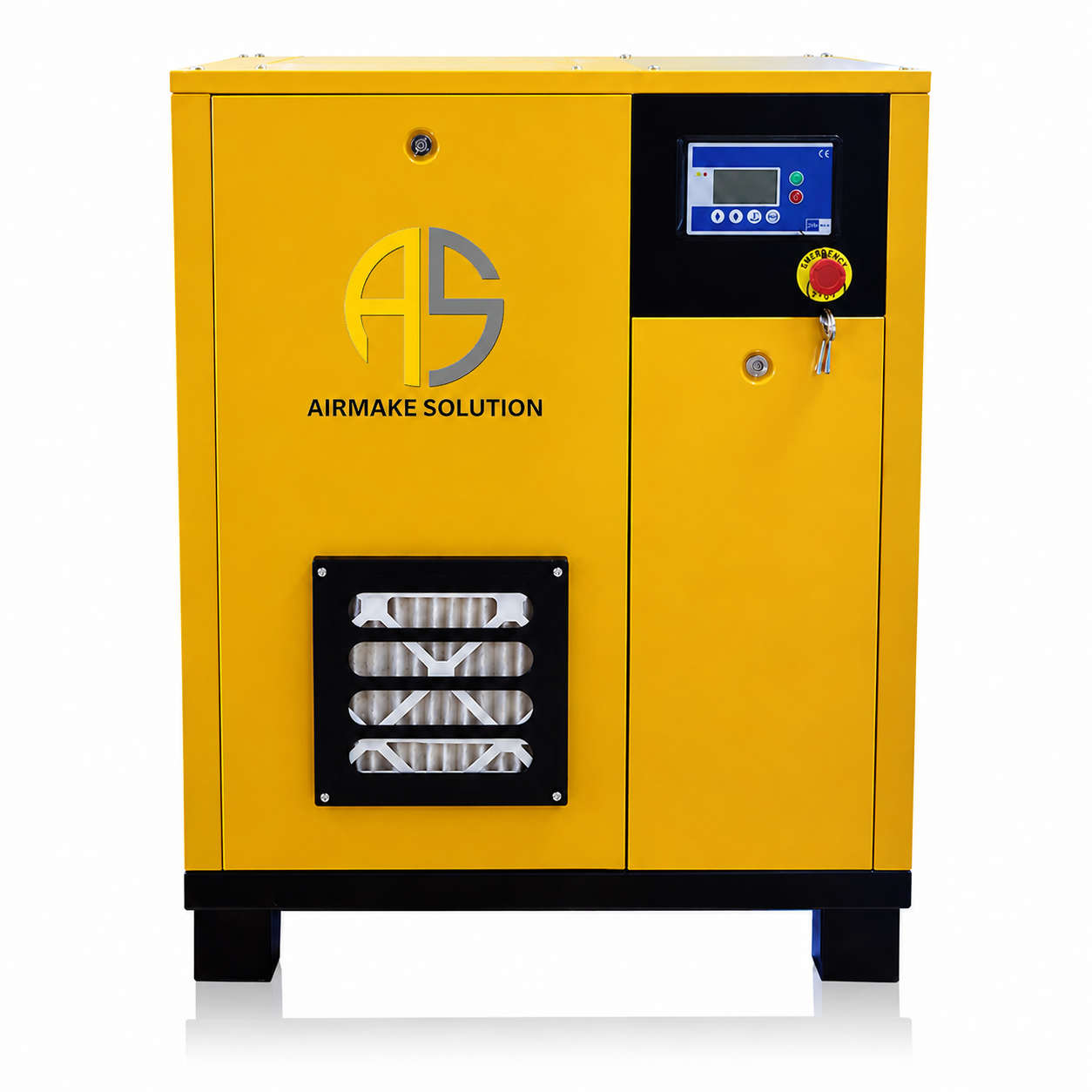
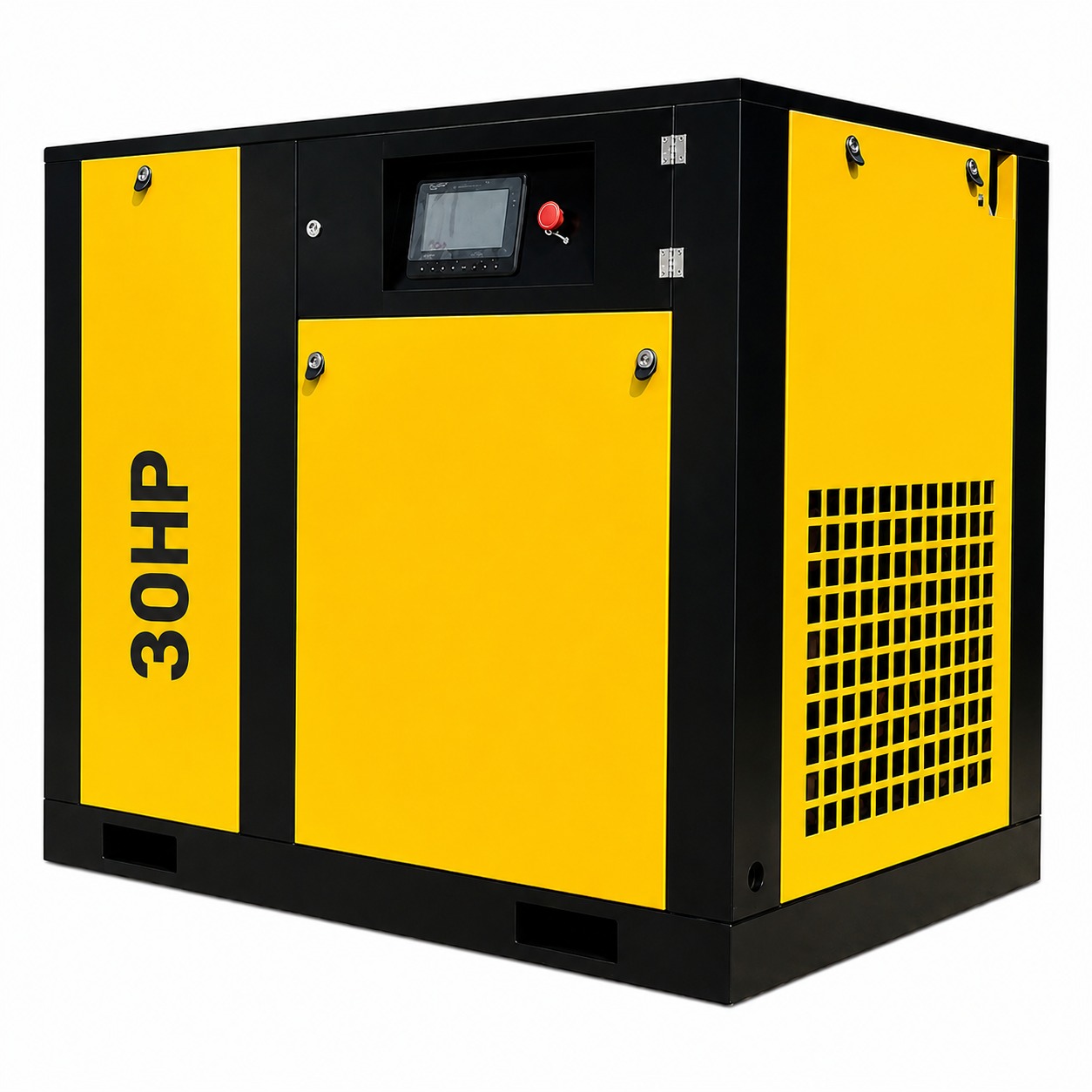
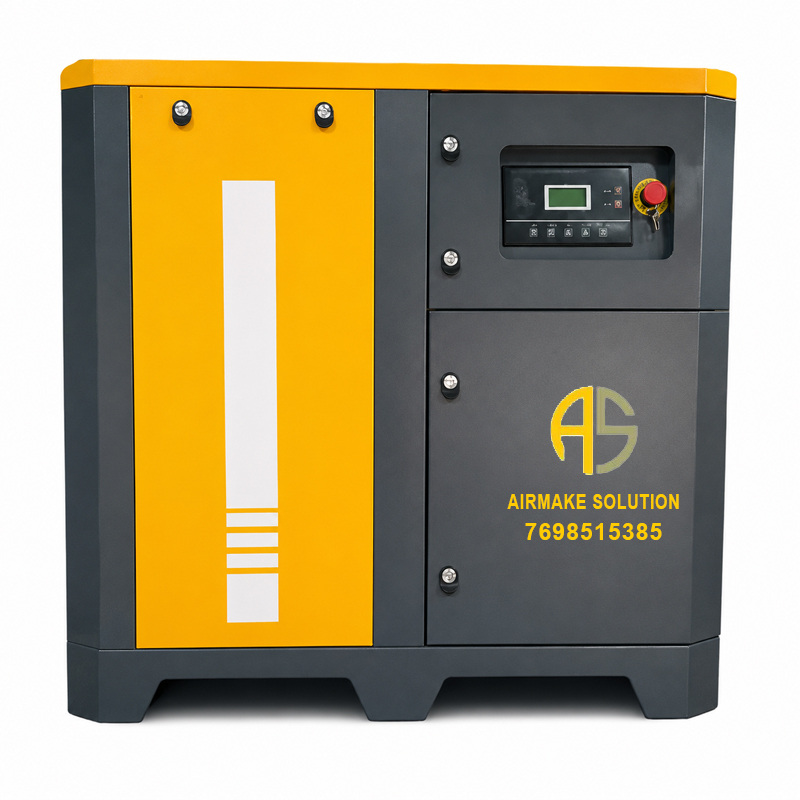
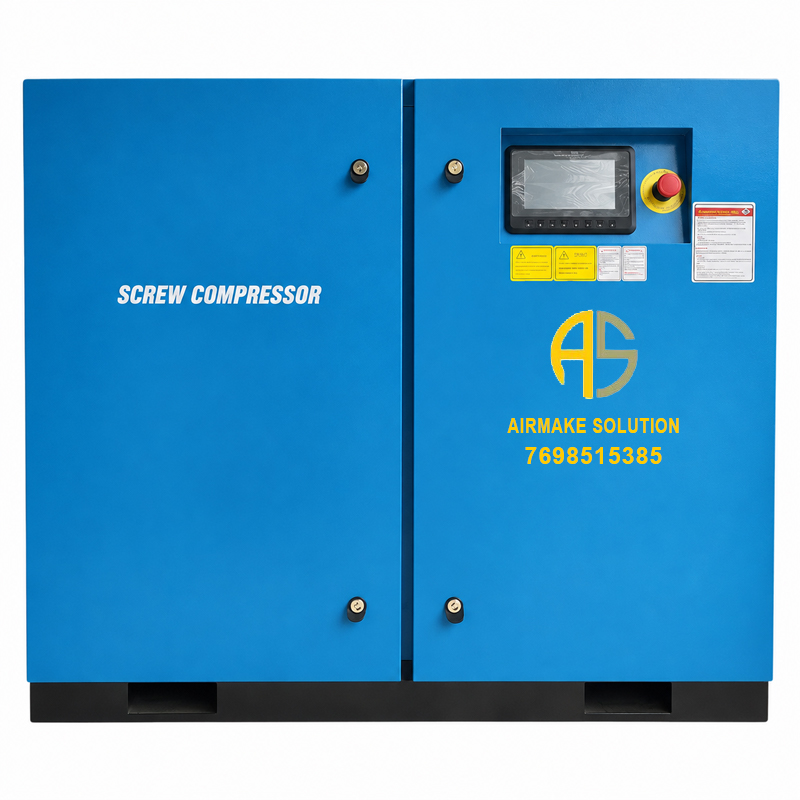
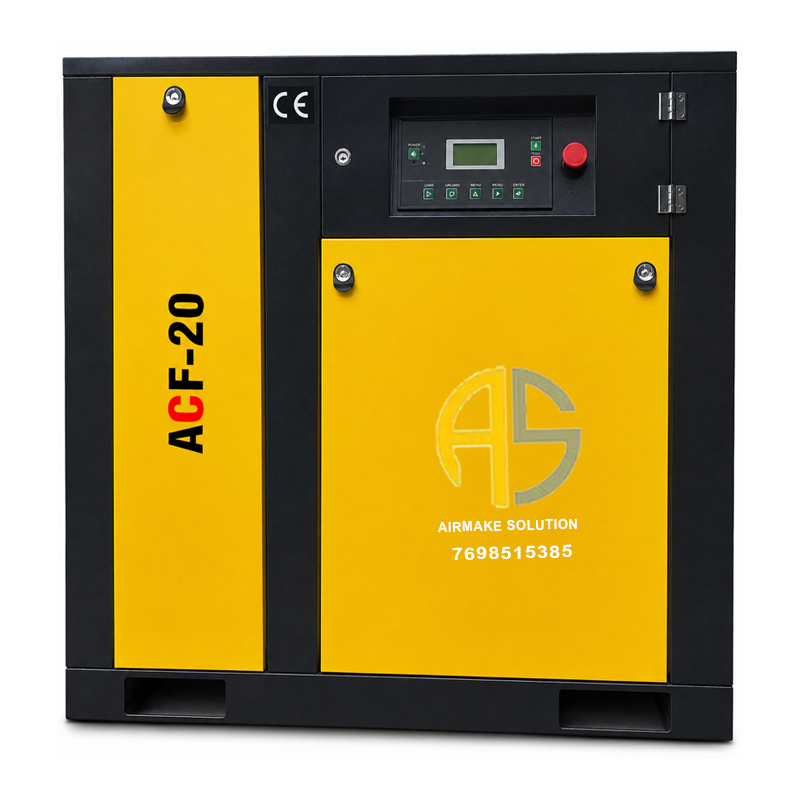
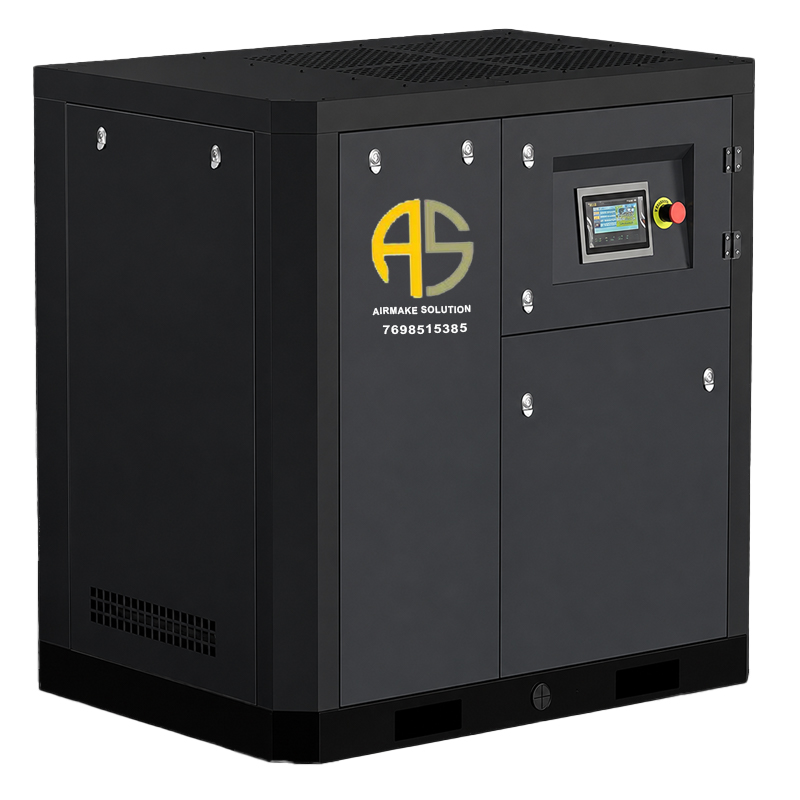
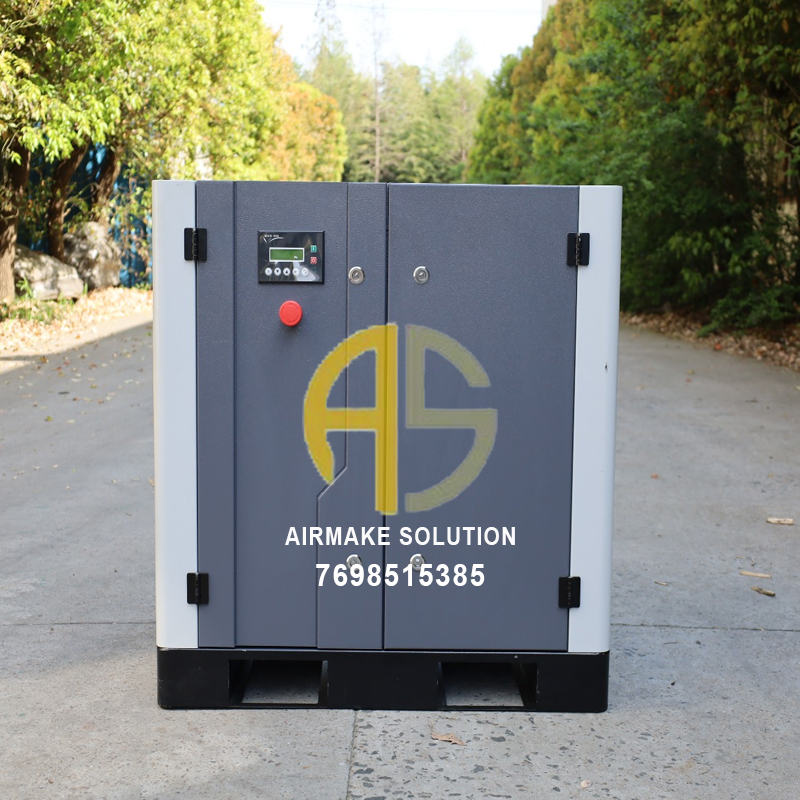
An air compressor is a powerful machine that converts power into compressed air for various industrial, commercial, and mechanical applications. It is widely used to operate tools, machinery, and equipment efficiently.
- Tire inflation
- Maintenance work
- Field operations
How Does an Air Compressor Work?
The working principle of an air compressor is simple.
- Atmospheric air enters through the intake valve.
- The compressor compresses the air using pistons or rotary screws.
- The compressed air is stored in an air receiver tank or delivered directly to equipment.
- Pressure switches regulate the operating pressure.
- The compressed air powers pneumatic tools and industrial machinery.
Modern air compressors include advanced control systems that monitor pressure, temperature, and energy consumption to ensure optimal performance.
Major Components of an Air Compressor
Understanding the key components helps improve maintenance and performance.
Air End
The main compression unit responsible for generating compressed air.
Electric Motor
Provides power to drive the compressor.
Air Filter
Removes dust and contaminants from incoming air.
Oil Filter
Keeps compressor oil clean in lubricated models.
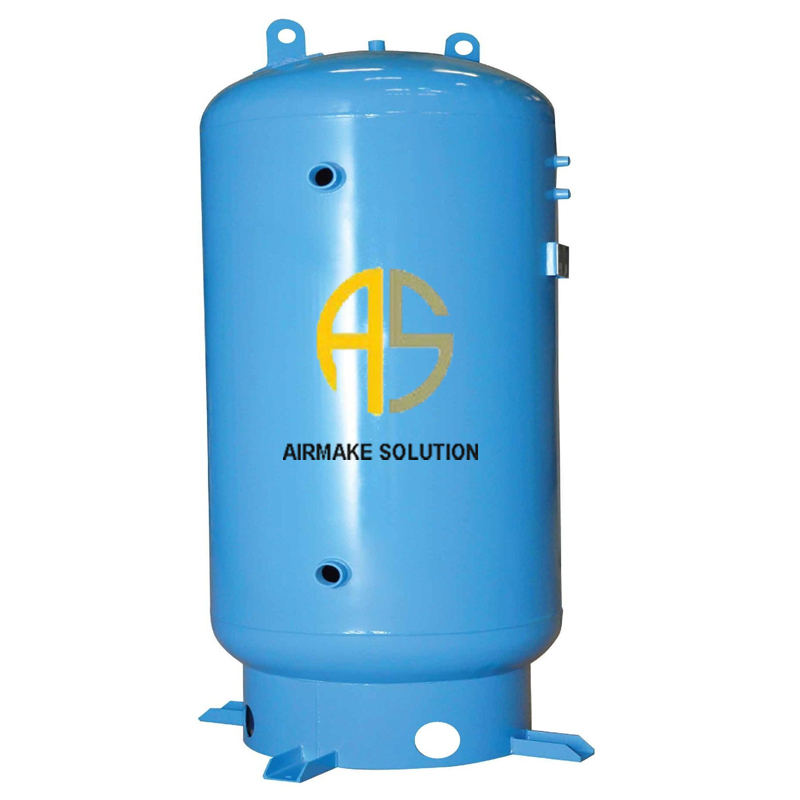
Air Receiver Tank
Stores compressed air for consistent supply.
Pressure Switch
Controls compressor operation based on system pressure.
Cooling System
Maintains safe operating temperatures.
Control Panel
Allows users to monitor and adjust compressor settings.
Benefits of Using an Air Compressor
Modern air compressors offer several advantages.
High Efficiency
Advanced technology minimizes energy consumption while maximizing output.
Reliable Performance
Designed for continuous industrial operation.
Low Maintenance
Quality components reduce maintenance frequency.
Energy Savings
Variable Speed Drive (VSD) compressors adjust motor speed based on air demand, reducing electricity costs.
Long Service Life
Premium materials ensure years of dependable operation.
Versatile Applications
Suitable for various industrial and commercial environments.
Environmentally Friendly
Oil-free models provide clean compressed air with reduced environmental impact.
Industrial Applications
Air compressors are widely used across multiple industries.
Manufacturing
- CNC machines
- Assembly lines
- Pneumatic automation
Automotive
- Spray painting
- Tire inflation
- Impact wrenches
- Service stations
Food & Beverage
- Packaging
- Filling machines
- Conveyor systems
Pharmaceutical
- Cleanroom equipment
- Tablet production
- Packaging lines
Construction
- Jackhammers
- Nail guns
- Concrete breakers
Textile Industry
- Air jet weaving
- Cleaning machinery
- Pneumatic controls
Electronics
- Precision manufacturing
- Component cleaning
- Automated assembly
Choosing the Right Air Compressor
Selecting the right compressor depends on several important factors.
Consider:
- Required air pressure (PSI)
- Airflow capacity (CFM)
- Compressor type
- Duty cycle
- Tank capacity
- Power source
- Operating environment
- Noise level
- Energy efficiency
- Maintenance requirements
Choosing the correct compressor improves efficiency and reduces operating costs.
Air Compressor Maintenance Tips
Routine maintenance is essential for reliable performance.
Replace Air Filters
Dirty filters reduce airflow and efficiency.
Change Oil
Use manufacturer-recommended oil in lubricated compressors.
Inspect Belts
Replace worn or damaged belts promptly.
Drain Moisture
Remove water from the air receiver tank regularly.
Check Air Leaks
Repair leaks immediately to prevent energy loss.
Replace Filters
Oil and separator filters should be replaced according to maintenance schedules.
Monitor Operating Temperature
Ensure proper cooling for long equipment life.
Regular servicing minimizes downtime and extends compressor lifespan.
Signs Your Air Compressor Needs Service
Watch for these warning signs:
- Reduced air pressure
- Excessive noise
- Oil leakage
- High operating temperature
- Increased power consumption
- Slow air build-up
- Moisture in air lines
- Frequent shutdowns
Prompt servicing prevents major failures and costly repairs.
Why Invest in a High-Quality Air Compressor?
A premium air compressor delivers long-term value through:
- Higher productivity
- Lower energy costs
- Reliable performance
- Minimal downtime
- Reduced maintenance expenses
- Better air quality
- Longer equipment life
- Improved operational efficiency
Investing in a quality air compressor helps businesses maintain consistent production while controlling operating costs.
Conclusion
An air compressor is a vital asset for industries that depend on reliable compressed air for daily operations. Whether used in manufacturing, automotive, construction, pharmaceuticals, food processing, or packaging, a high-quality air compressor delivers consistent performance, energy efficiency, and long-lasting reliability.
By choosing the right type of compressor and following a regular maintenance schedule, businesses can maximize productivity, reduce downtime, and lower operating costs. Modern air compressors combine advanced engineering, durable construction, and intelligent controls to provide efficient compressed air solutions for even the most demanding industrial environments. Investing in a premium air compressor is a smart decision that supports sustainable growth, operational excellence, and long-term business success.
Reviews
There are no reviews yet.