
- Home
- Air Compressor Air Filters
- Air Filter 6.1995.0

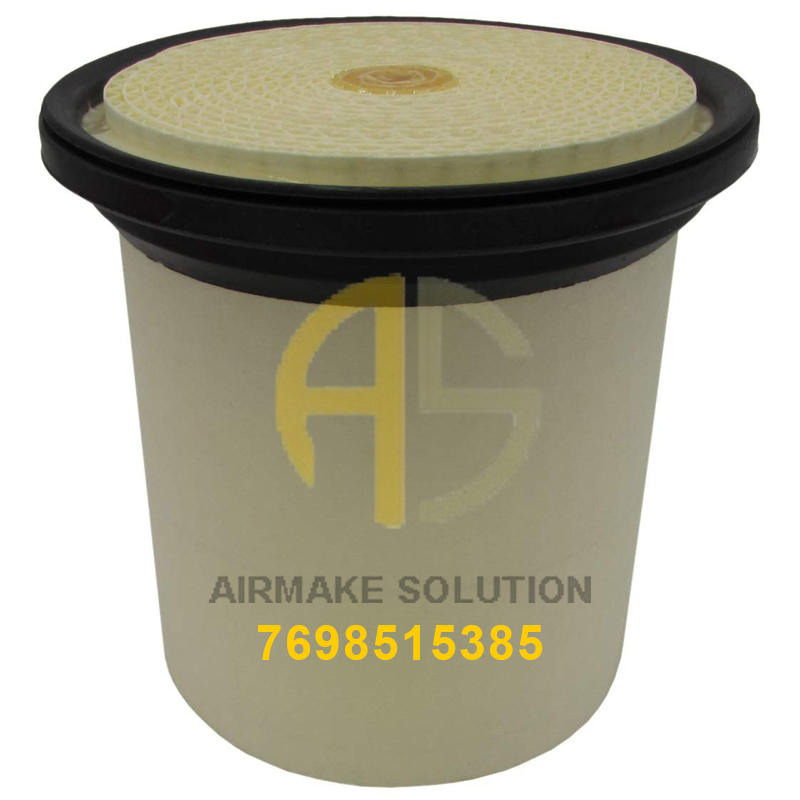
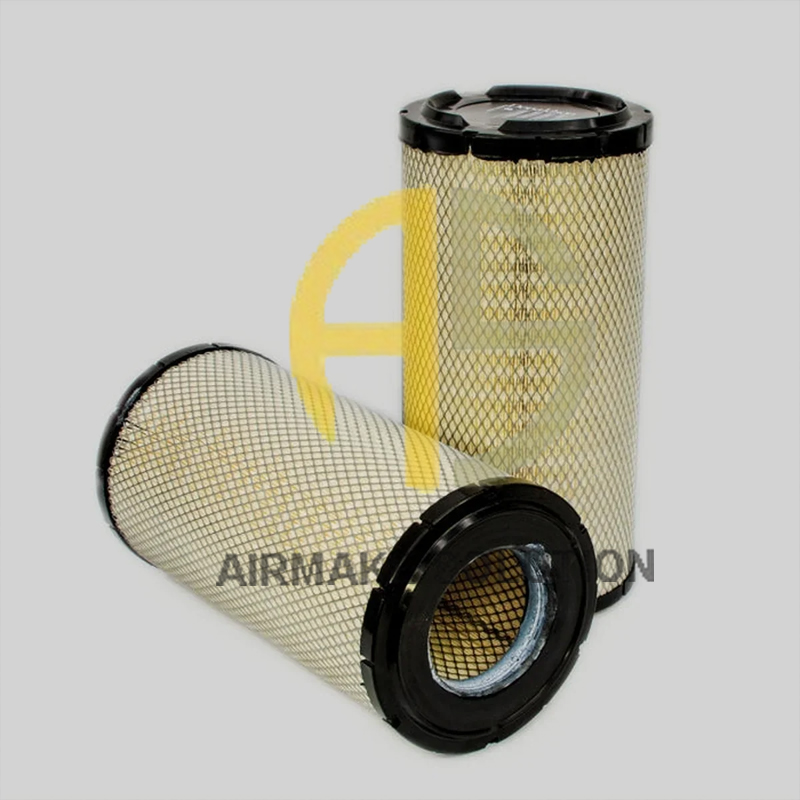
Air Filter 6.1995.0
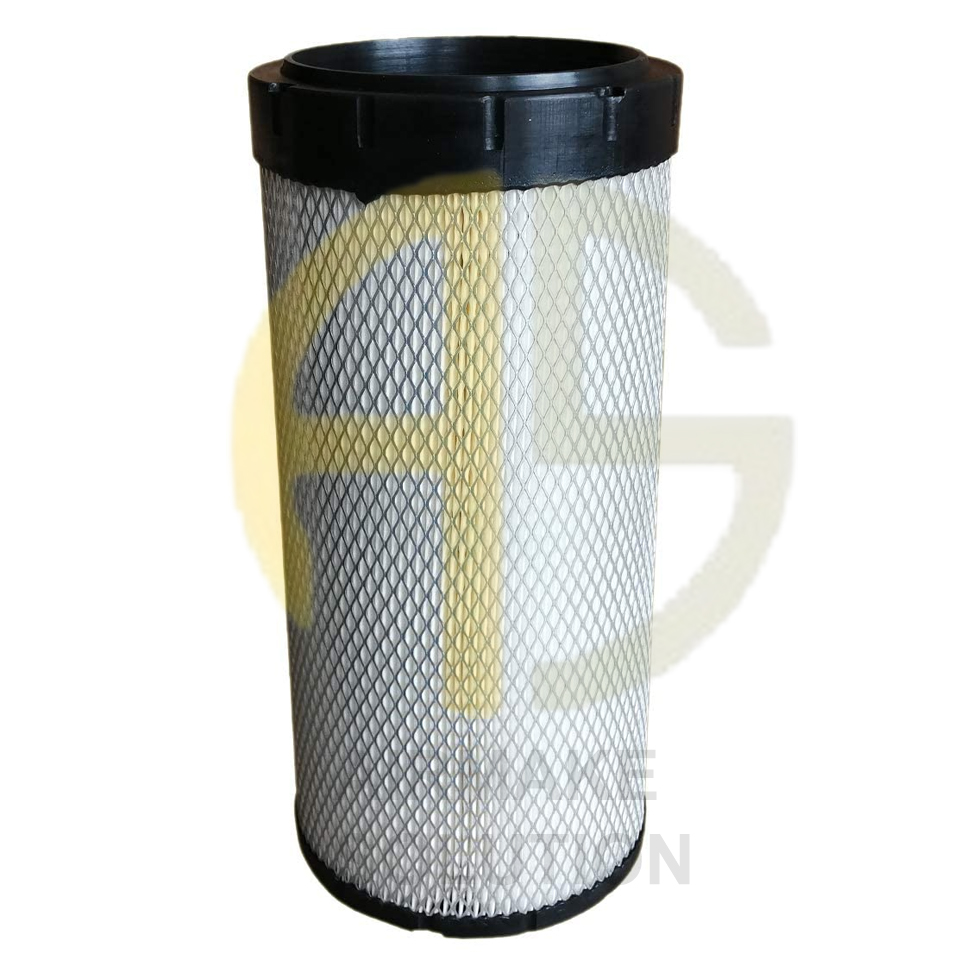
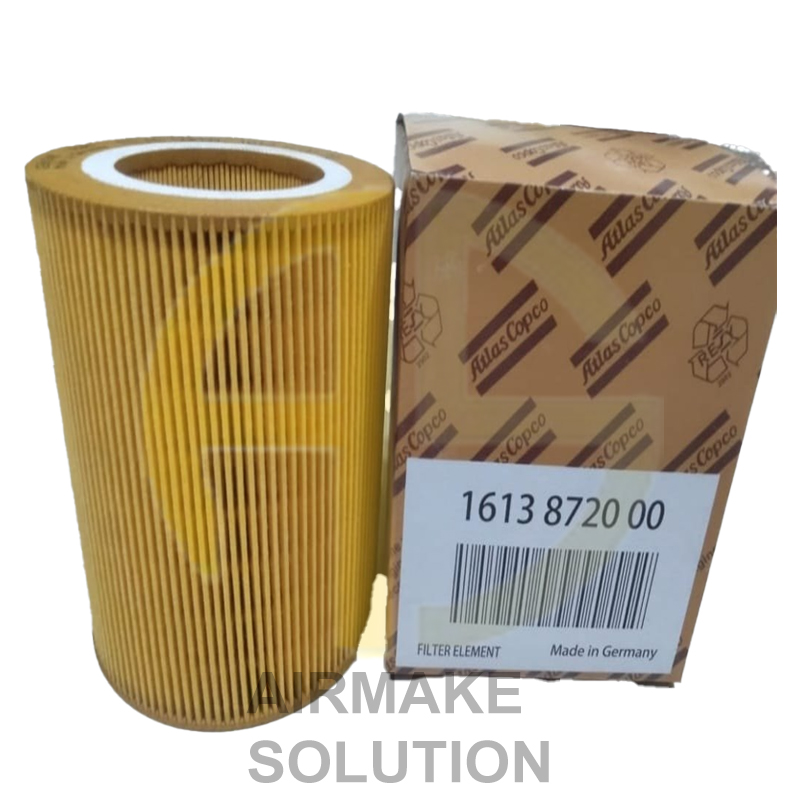
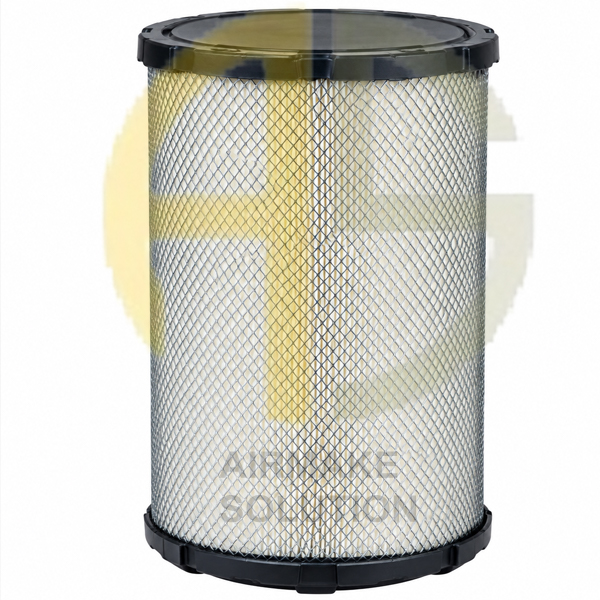
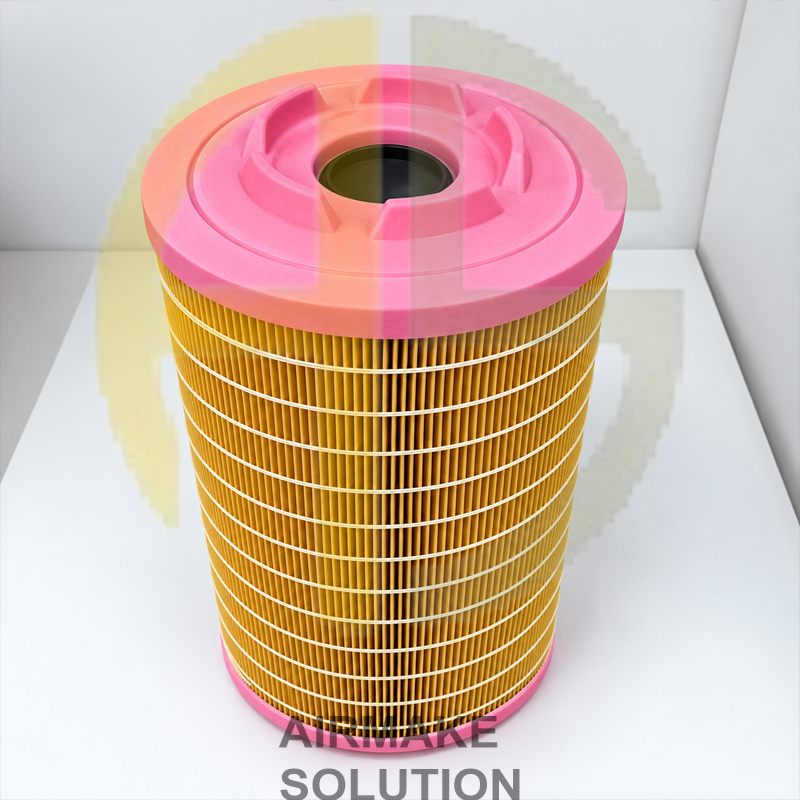
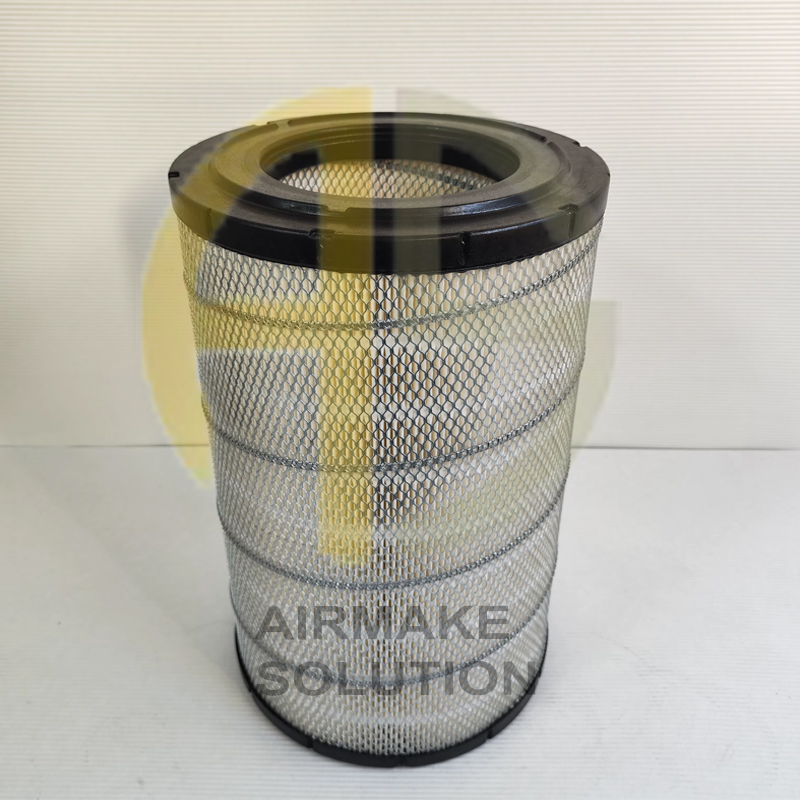
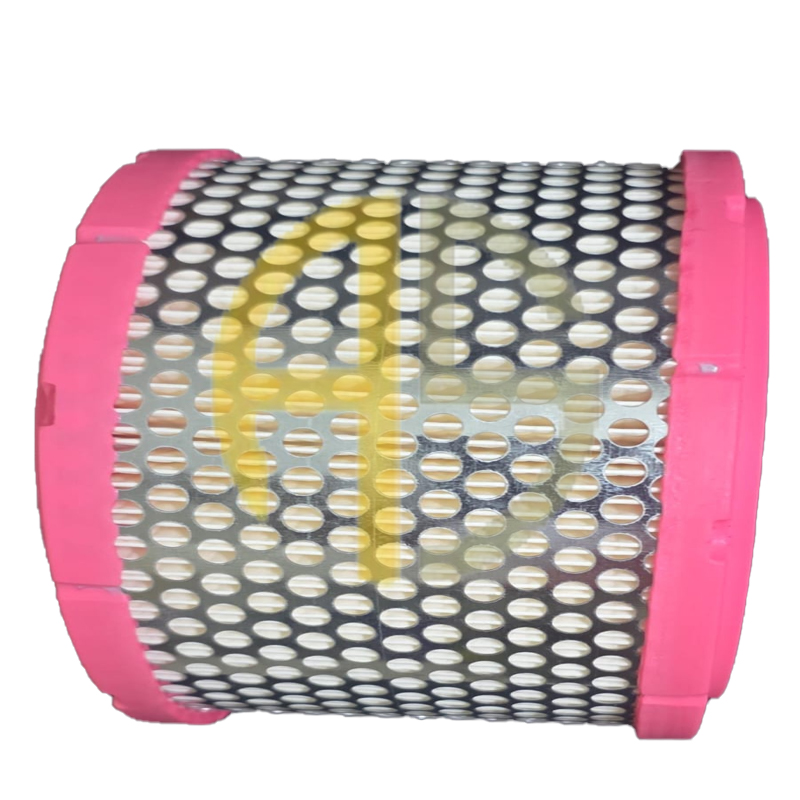
The Air Filter 6.1995.0 is designed to filter dust, dirt, and airborne particles from the intake air of compatible air compressor systems. It helps protect internal compressor components, maintain clean airflow, and support efficient and reliable operation. Regular inspection and timely replacement help maintain filtration performance and compressor efficiency.
Air Filter 6.1995.0 – Reliable Air Filtration for Compressor Systems
The Air Filter 6.1995.0 plays an important role in protecting an air compressor from airborne contamination. Industrial compressors operate in environments where dust, dirt, moisture, and other particles can enter the air intake. Without effective filtration, these contaminants can reach sensitive internal components and affect compressor performance.
An air filter captures unwanted particles before they enter the compressor. This simple but essential process helps maintain cleaner intake air and protects the compressor’s internal system.
For industrial applications, maintaining the air intake filter can support reliable compressor operation, reduce contamination-related problems, and help maintain consistent airflow.
What Is Air Filter 6.1995.0?
The 6.1995.0 Air Filter is an intake-air filtration component designed for use in compatible air compressor systems.
The filter removes airborne contaminants from the air before the compressor draws the air into its compression system. By filtering incoming air, it helps prevent dust and particles from reaching internal compressor components.
A properly maintained air filter supports the compressor’s air-intake system and contributes to reliable overall performance.
How Does an Air Compressor Filter Work?
The air filter uses specialized filter media to capture particles from incoming air.
When the compressor operates, ambient air enters through the intake system. The air passes through the filter media, which traps dust, dirt, and other airborne particles. Cleaner air then continues into the compressor.
The filtration process follows these basic steps:
- Ambient air enters the compressor intake.
- The air reaches the air filter.
- The filter media captures airborne contaminants.
- Filtered air passes toward the compressor.
- The compressor uses the filtered air for compression.
This process continuously protects the compressor while it operates.
Why Is Air Filtration Important?
Airborne contamination can affect compressor components and compressed-air quality. Dust and dirt entering the compressor can accumulate on internal surfaces and may contribute to component wear or reduced efficiency.
A suitable air filter helps:
- Remove dust and dirt from intake air
- Protect internal compressor components
- Maintain clean airflow
- Support compressor efficiency
- Reduce contamination inside the compressor
- Support reliable operation
- Maintain consistent intake conditions
- Reduce contamination-related maintenance
The filter works as the first line of protection for the compressor’s intake system.
Benefits of Air Filter 6.1995.0
Protects Compressor Components
The 6.1995.0 Air Filter helps prevent airborne particles from entering the compressor. This protection can help reduce contamination of internal components.
Maintains Cleaner Intake Air
The filter captures unwanted particles before they reach the compression system. Cleaner intake air supports the compressor’s normal operating process.
Supports Compressor Efficiency
A clean and properly maintained air filter allows the compressor to receive the required intake airflow. This helps support efficient operation.
Helps Reduce Contamination
Industrial environments can contain considerable amounts of dust and airborne particles. Effective filtration helps limit the amount of contamination entering the compressor.
Supports Preventive Maintenance
Regular air-filter inspection and replacement form an important part of compressor preventive maintenance.
When Should You Replace Air Filter 6.1995.0?
The replacement interval depends on the compressor model, operating hours, ambient conditions, dust levels, and manufacturer’s maintenance recommendations.
Compressors operating in dusty or heavily contaminated environments may require more frequent inspection and replacement.
You should inspect the air filter according to the recommended service schedule. Replace it when it becomes excessively dirty, damaged, restricted, or otherwise unsuitable for continued operation.
Always follow the maintenance instructions provided for the compatible compressor.
Signs of a Dirty Air Filter
A heavily contaminated air filter can restrict the intake airflow. This restriction may affect compressor performance.
Possible signs include:
- Reduced compressor performance
- Increased pressure drop across the filter
- Higher energy consumption
- Reduced airflow
- Unusual operating conditions
- Increased compressor temperature
- Maintenance alarms
- Visible filter contamination
These symptoms can result from several different issues, so technicians should inspect the complete intake and compressor system before identifying the filter as the cause.
Why Does a Clean Air Filter Matter?
A compressor needs an appropriate supply of intake air to operate correctly. When the filter becomes heavily blocked, the compressor may have to work against increased intake resistance.
Maintaining the air filter helps keep the intake path clean and supports the compressor’s normal airflow requirements.
A clean filter also helps prevent excessive dust from entering the compressor, which can support longer component service life when combined with proper maintenance.
Choosing the Correct Air Filter
Selecting the correct filter requires more than comparing its physical appearance with an existing filter.
Before purchasing Air Filter 6.1995.0, verify:
- Part number
- Compatible compressor model
- Filter dimensions
- Connection or mounting arrangement
- Filtration requirements
- Airflow requirements
- Operating environment
- Manufacturer specifications
A correct part-number match provides an important starting point for confirming compatibility.
Avoid installing a filter simply because it appears similar to the original component.
Air Filter and Compressor Efficiency
The intake-air system directly influences compressor operation. The compressor must draw ambient air through the intake filter before compression begins.
When the filter operates correctly, it provides filtration while allowing the required airflow to enter the compressor.
When the filter becomes excessively restricted, airflow resistance can increase. This can affect compressor operation and may increase energy requirements.
Regular inspection and timely replacement help maintain an effective balance between filtration and airflow.
Applications of Air Filter 6.1995.0
The 6.1995.0 Air Filter is intended for compatible compressor applications.
Air filters are commonly used in industrial compressed-air systems such as:
- Manufacturing plants
- Engineering workshops
- Automotive industries
- CNC machining facilities
- Textile industries
- Packaging plants
- Pharmaceutical facilities
- Food-processing operations
- Pneumatic production systems
- General industrial compressor installations
The exact application depends on the compressor model and technical specifications.
Installation and Maintenance
Always follow the manufacturer’s maintenance procedure when replacing the air filter.
Before servicing the compressor, shut down the equipment and follow the applicable safety procedures. Prevent dirt from entering the intake system while removing the old filter.
Inspect the filter housing and sealing areas before installing the replacement. Clean the housing when required and install the new filter correctly.
Ensure that the filter seals properly and that the intake system does not have loose connections or air leaks.
After installation, operate the compressor and check for abnormal conditions.
How to Extend Air Filter Service Life
You can support air-filter performance by maintaining a clean compressor environment and inspecting the intake system regularly.
Keep the area around the compressor intake as clean as practical. Avoid placing the intake near excessive dust, fumes, or other airborne contaminants.
Follow the recommended service schedule and monitor filter condition during routine compressor inspections.
Do not attempt to extend filter life beyond the manufacturer’s recommended limits simply because the filter appears visually acceptable. Filtration performance and restriction can change during operation.
Importance of Preventive Maintenance
Preventive maintenance helps identify filtration problems before they affect compressor operation.
Regular inspection allows technicians to identify excessive contamination, filter damage, sealing problems, and intake restrictions.
Replacing Air Filter 6.1995.0 at the appropriate service interval helps maintain the compressor’s intake filtration system and supports reliable operation.
A consistent maintenance program can also help reduce unexpected downtime and maintain predictable compressor performance.
Conclusion
The Air Filter 6.1995.0 provides an important layer of protection for compatible air compressor systems. It helps remove dust, dirt, and airborne particles from intake air before those contaminants reach the compressor.
Proper air filtration supports clean airflow, protects internal components, and contributes to reliable compressor operation. Regular inspection and timely replacement help maintain filtration performance and prevent excessive intake restriction.
Before purchasing or installing Air Filter 6.1995.0, always verify the part number and compatibility with your specific compressor model. Following the manufacturer’s maintenance recommendations will help maintain efficient and dependable compressor performance.


Reviews
There are no reviews yet.