
- Home
- Uncategorized
- Ingersoll Rand Intake Valve 49008162
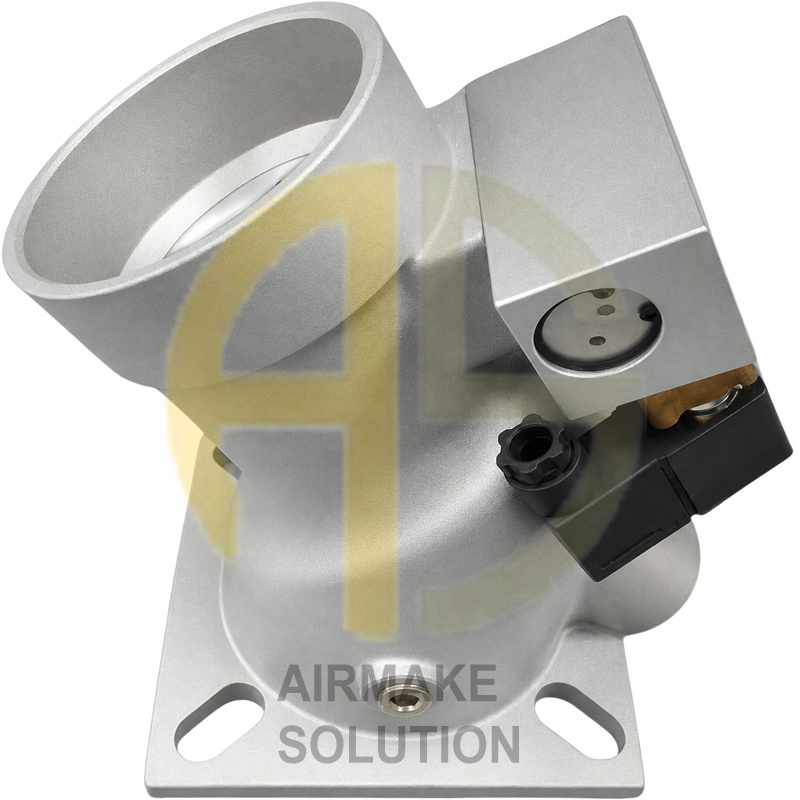
Ingersoll Rand Intake Valve 49008162
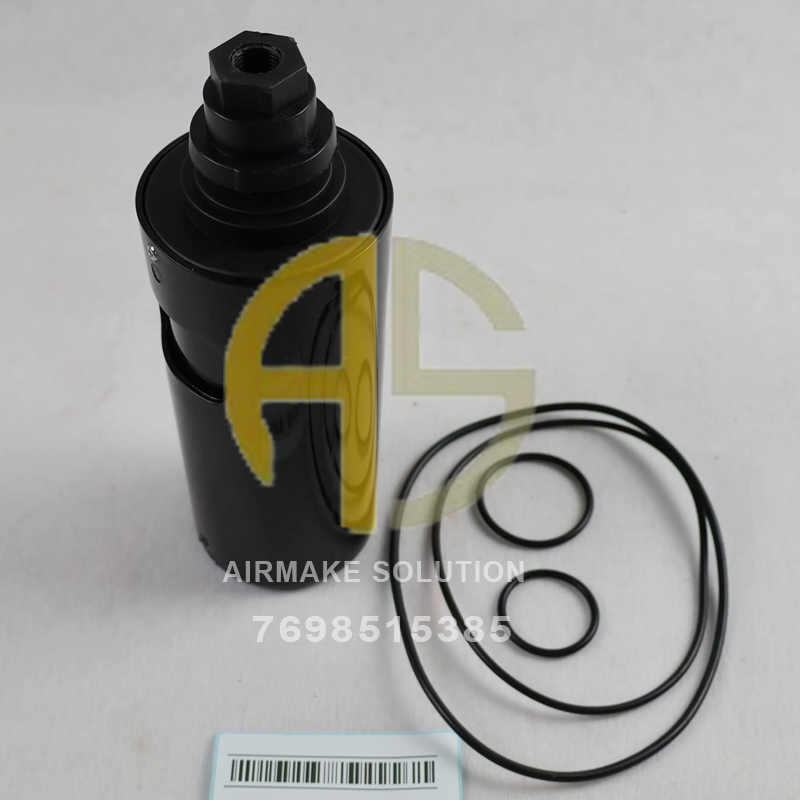
Ingersoll Rand Intake Valve 49008162 is an inlet valve assembly designed for compatible Ingersoll Rand air compressor applications. It controls the intake of atmospheric air into the compressor and supports efficient loading, unloading, airflow control, and reliable compressor performance. Always verify compatibility with your compressor model and existing part number before installation.
Ingersoll Rand Intake Valve 49008162 – Reliable Air Intake Control for Compressor Performance
Control Compressor Airflow with Intake Valve 49008162
The Ingersoll Rand Intake Valve 49008162 is an important component in compatible air compressor systems. The intake valve controls how atmospheric air enters the compressor and helps the machine manage its operating cycle. Proper air intake control supports stable airflow, efficient loading and unloading, and reliable compressed-air production.
The intake system is one of the first stages of the compression process. Before an air compressor can produce compressed air, it must draw the correct amount of atmospheric air into its compression system. The intake valve manages this process according to the compressor’s operating requirements.
Part number 49008162 is listed by multiple parts suppliers as an Ingersoll Rand-compatible intake or inlet valve, with some listings associating it with IR V55 compressor applications. However, users should always verify the exact application using the compressor model, serial number, and existing part number before ordering or installation.
Understand the Function of an Air Compressor Intake Valve
An intake valve acts as a controlled gateway for air entering a compressor. It responds to the compressor’s operating requirements and allows air to enter when the machine needs to compress air.
During operation, the intake valve can help manage different compressor conditions, including loading and unloading. When the compressor requires air for the compression process, the intake system opens according to the required operating sequence. When the compressor reduces or stops air intake, the valve closes or changes position as required by the system design.
A properly functioning intake valve helps the compressor:
- Control incoming airflow
- Support stable compression
- Manage loading and unloading
- Improve operational control
- Reduce unnecessary airflow
- Support efficient system performance
The intake valve works with other important components, including the air filter, control system, pressure sensors, solenoid components, and compressor air end.
Support Efficient Compressor Loading and Unloading
Modern industrial compressors must respond to changes in compressed-air demand. The intake valve plays an important role in this process.
When compressed-air demand increases, the compressor control system may require the intake valve to allow more air into the compression system. When demand decreases, the system can reduce or stop intake according to its operating controls.
This process helps prevent unnecessary compression when the required amount of air is not needed.
Efficient loading and unloading can support:
- Stable system pressure
- Better operational efficiency
- Controlled compressor cycling
- Reduced unnecessary energy consumption
- Improved equipment reliability
The exact control method depends on the compressor design and model. This is why using the correct intake valve for the specific compressor application is important.
Maintain Reliable Airflow into the Compressor
Consistent airflow is essential for reliable compressor performance. If the intake system cannot control airflow correctly, the compressor may experience operational problems.
A damaged, worn, contaminated, or malfunctioning intake valve may affect how the compressor responds to demand.
Potential symptoms can include:
- Reduced compressor capacity
- Unstable loading and unloading
- Slow response to air demand
- Unusual operating behavior
- Reduced efficiency
- Increased energy consumption
- Difficulty maintaining stable pressure
These symptoms can also result from other problems within the compressor system. Air filters, pressure sensors, solenoid valves, control systems, and air-end components can also affect compressor operation.
For this reason, technicians should inspect the complete system rather than replacing parts based only on symptoms.
Protect Compressor Performance with Proper Intake Control
The compressor depends on controlled air intake to maintain efficient operation. The intake valve directly influences the air entering the compression process.
When the valve responds correctly, it supports stable compressor performance. When it fails to operate correctly, the compressor may not receive the correct airflow during different operating conditions.
Proper intake control helps support:
Consistent Compressed-Air Production
The compressor requires a controlled supply of incoming air to produce compressed air efficiently.
Improved Operating Stability
The intake system helps the compressor respond to changing air demand.
Efficient Load Management
The valve supports the loading and unloading sequence used by compatible compressor systems.
Reduced Operational Stress
Proper control can help prevent unnecessary operating conditions that may increase stress on compressor components.
Identify Common Intake Valve Problems
Intake valves operate repeatedly during compressor service. Over time, mechanical parts, seals, springs, actuators, and control components can experience wear.
Environmental conditions can also affect the intake system.
Common issues that may require inspection include:
Contamination
Dust and contaminants can enter the intake system when filtration performance is poor or maintenance is delayed.
Seal Wear
Worn seals can affect the valve’s ability to control airflow properly.
Mechanical Wear
Repeated operating cycles can gradually affect moving components.
Control Problems
Electrical, pneumatic, or solenoid-related problems can affect valve operation.
Incorrect Installation
Improper installation can create fitment, leakage, or operational problems.
Regular maintenance helps identify these issues before they create major compressor downtime.
Check Air Filtration Along with the Intake Valve
The intake valve and air filter work closely together in the compressor air-intake system.
The air filter removes dust and contaminants from incoming atmospheric air before it reaches sensitive compressor components. The intake valve then controls the movement of this filtered air into the compression process.
A damaged or heavily contaminated air filter can affect the entire intake system.
During maintenance, inspect:
- Air filter condition
- Intake hoses
- Connections
- Valve body
- Seals
- Control lines
- Solenoid components
- Sensors
Maintaining the complete intake system helps improve reliability and reduces the risk of contamination-related problems.
Confirm Compatibility Before Installing Part Number 49008162
Correct part selection is essential for compressor maintenance. Even when two intake valves look similar, they may have different specifications, mounting arrangements, operating mechanisms, or control connections.
Before purchasing Ingersoll Rand Intake Valve 49008162, verify:
- Compressor model
- Compressor serial number
- Existing part number
- Valve mounting arrangement
- Control connection requirements
- Manufacturer parts documentation
Ingersoll Rand provides a Parts Finder Assistant that helps users identify appropriate OEM compressor parts based on equipment type and model. This approach helps reduce incorrect part selection and compatibility problems.
Do not rely only on product photographs when selecting a replacement valve.
Install the Intake Valve Correctly
Intake valve replacement should follow appropriate compressor service procedures.
Before servicing the compressor, technicians should:
- Shut down the compressor.
- Isolate electrical power.
- Depressurize the compressed-air system.
- Follow lockout and safety procedures.
- Allow hot components to cool if necessary.
- Disconnect the required control and air connections.
- Remove the existing intake valve carefully.
- Inspect related seals and components.
- Install the correct replacement valve.
- Reconnect all components according to specifications.
- Test the compressor after installation.
Always follow the specific maintenance instructions for the compressor model.
Improper installation can affect valve operation and may create air leaks or control problems.
Reduce Compressor Downtime Through Preventive Maintenance
Unexpected compressor downtime can interrupt manufacturing and increase maintenance costs. Preventive maintenance helps identify worn components before complete failure occurs.
Include the intake valve in regular inspection procedures.
A preventive maintenance program can include checking:
- Intake valve operation
- Air filters
- Oil filters
- Air-oil separators
- Control systems
- Pressure sensors
- Temperature sensors
- Solenoid valves
- Hoses and fittings
- Lubricant condition
Monitoring these components together helps technicians understand the overall condition of the compressor.
Regular inspections can help reduce unexpected failures and improve maintenance planning.
Support Energy Efficiency with Proper Air Intake Management
Compressed-air systems consume significant amounts of energy in industrial operations. Every component that affects compressor control can influence overall efficiency.
The intake valve helps control whether and how air enters the compressor. Poor intake control can cause the compressor to operate inefficiently.
A correctly functioning intake system supports the compressor’s ability to respond appropriately to changing demand.
However, overall energy efficiency also depends on several other factors, including:
- Compressor size
- System pressure
- Air leaks
- Operating hours
- Maintenance practices
- Air filter condition
- Control strategy
- Compressed-air demand
Maintaining the intake valve is one important part of a complete energy-efficiency strategy.
Choose the Right Replacement Part for Your Compressor
When sourcing Ingersoll Rand Intake Valve 49008162, first determine whether your application requires an OEM part or a compatible replacement.
Ingersoll Rand notes that OEM parts are designed for correct fit and compatibility with its equipment, while incorrect or unsuitable replacement parts can contribute to performance issues and unnecessary downtime.
When purchasing, ask the supplier to confirm:
- Exact part number
- Compressor compatibility
- Product condition
- Technical specifications
- Replacement suitability
Always compare the replacement component with the installed part and approved compressor documentation.
Maintain Long-Term Compressor Reliability
The intake valve may appear to be a small part of the compressor, but it performs an important operational function. It controls the entry of air into the compressor and supports the loading and unloading process.
A reliable intake system helps maintain:
- Controlled airflow
- Stable compressor operation
- Efficient loading cycles
- Consistent compressed-air production
- Reduced operational interruptions
Regular maintenance and correct replacement parts can help extend the useful operating life of the compressor system.
Conclusion
Ingersoll Rand Intake Valve 49008162 is an important air-intake control component for compatible Ingersoll Rand compressor applications. It helps manage the flow of atmospheric air into the compressor and supports controlled loading, unloading, and stable operation.
Multiple parts listings identify 49008162 as an intake or inlet valve for Ingersoll Rand air compressor applications, with some suppliers associating it with IR V55 systems. Final compatibility should always be verified against the exact compressor model and serial number before purchasing.
Regular inspection of the intake valve, air filter, seals, and related control components can help reduce unexpected downtime and support long-term compressor reliability. Choosing the correct replacement component and following proper installation procedures helps maintain efficient compressor performance.
Reviews
There are no reviews yet.