
- Home
- Intake valve Air Compressor
- JIV-50B-L Intake Valve
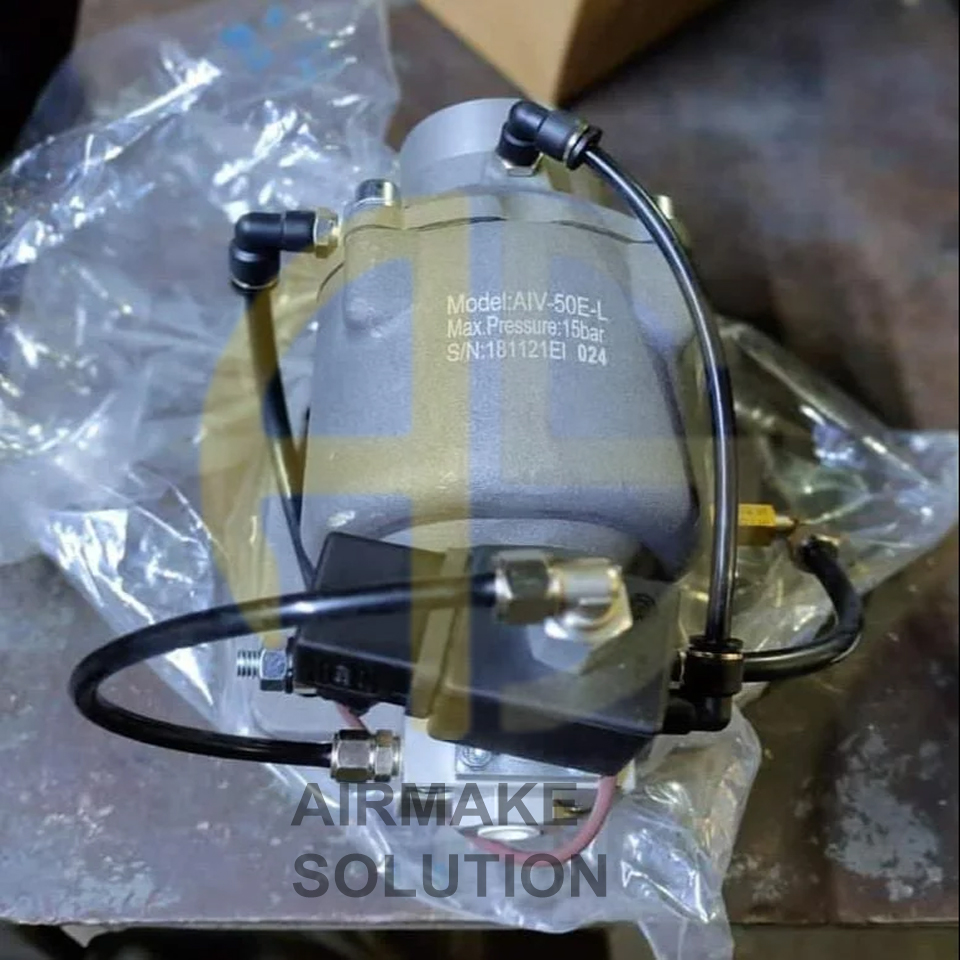
JIV-50B-L Intake Valve
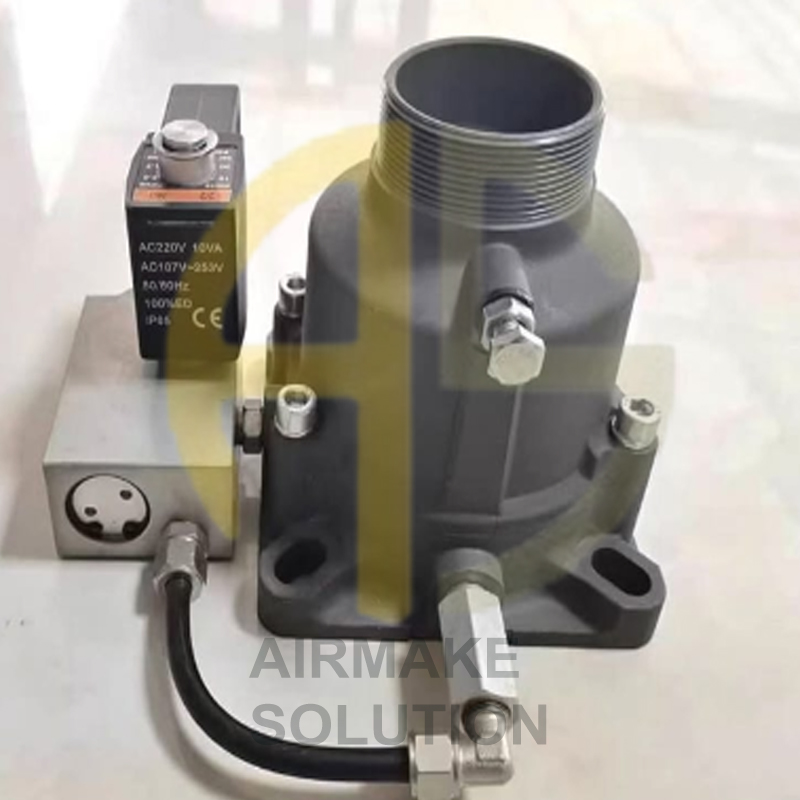
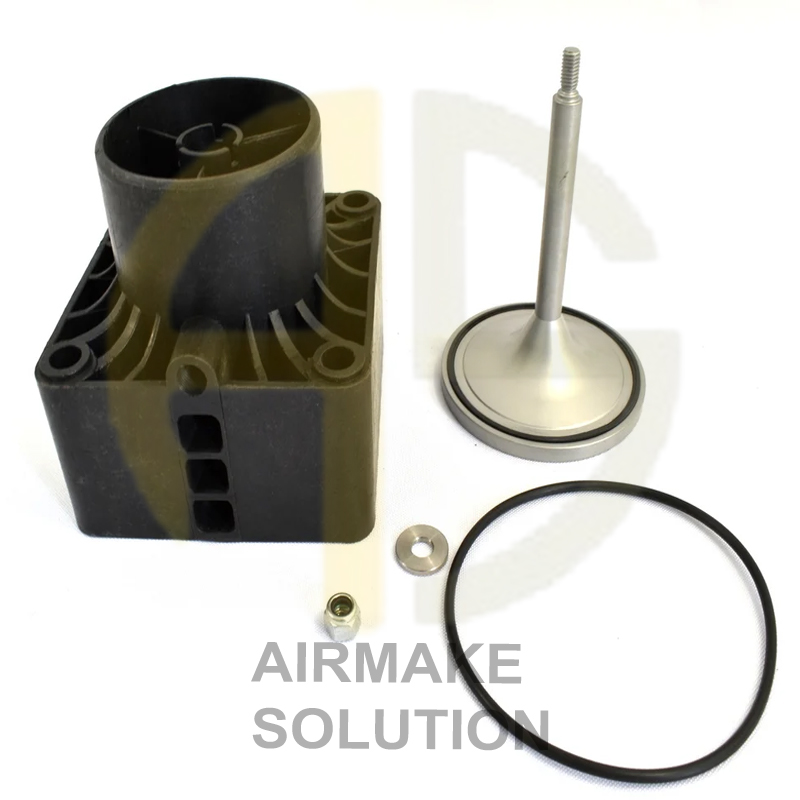
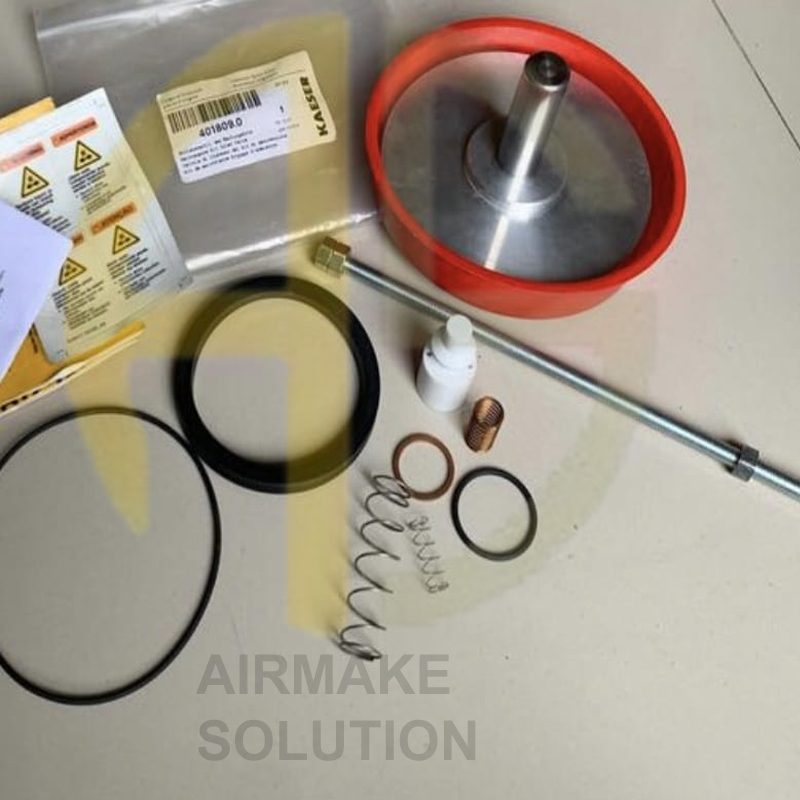
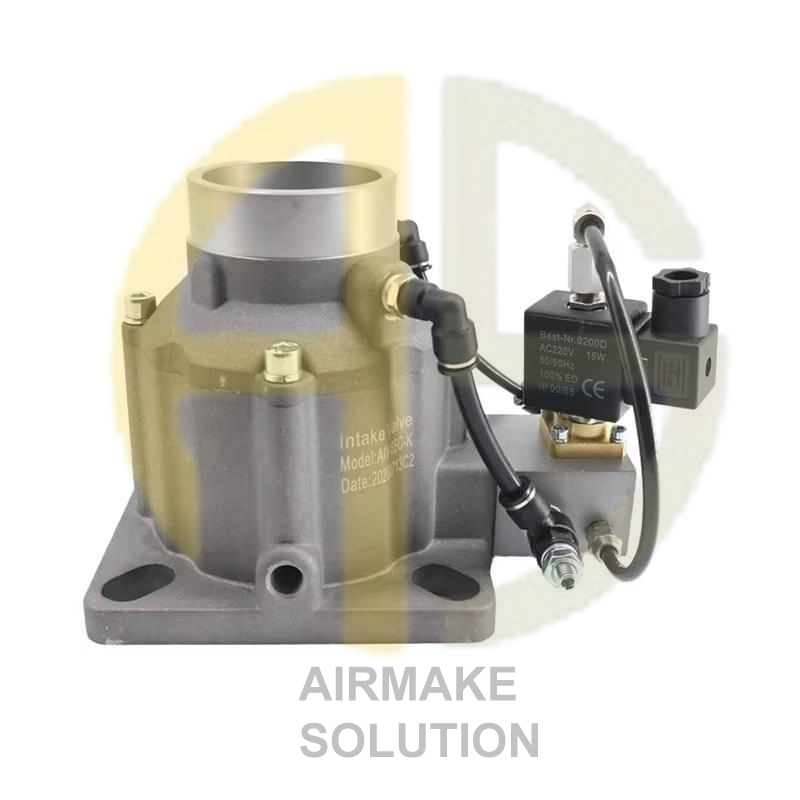
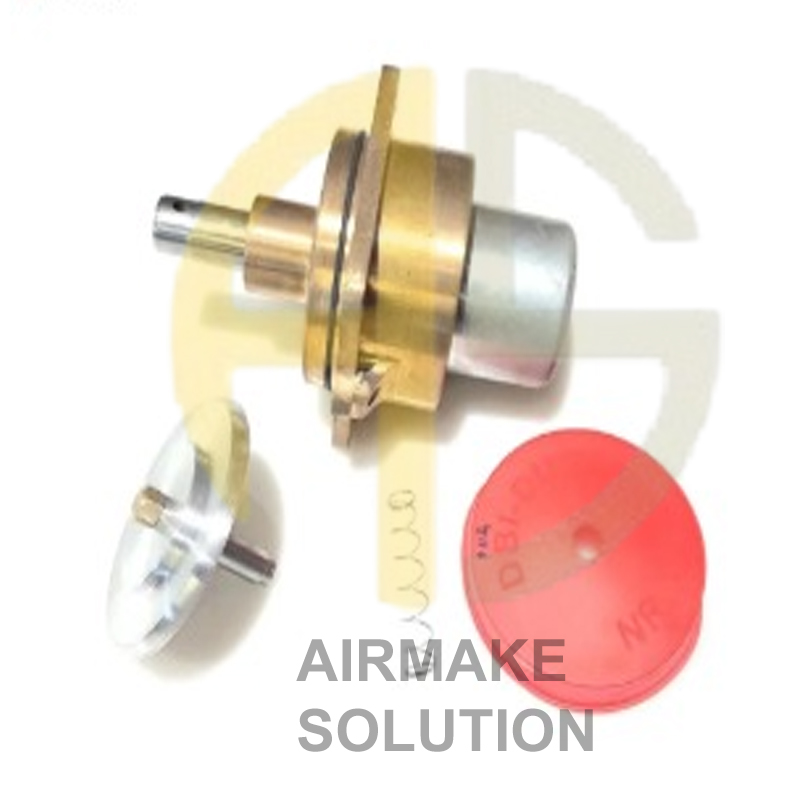
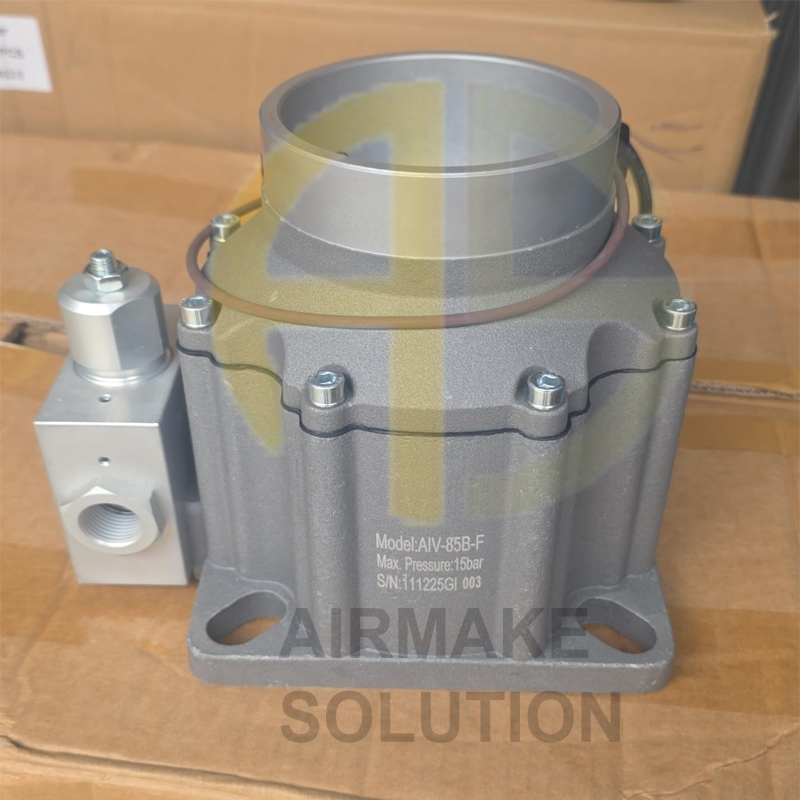
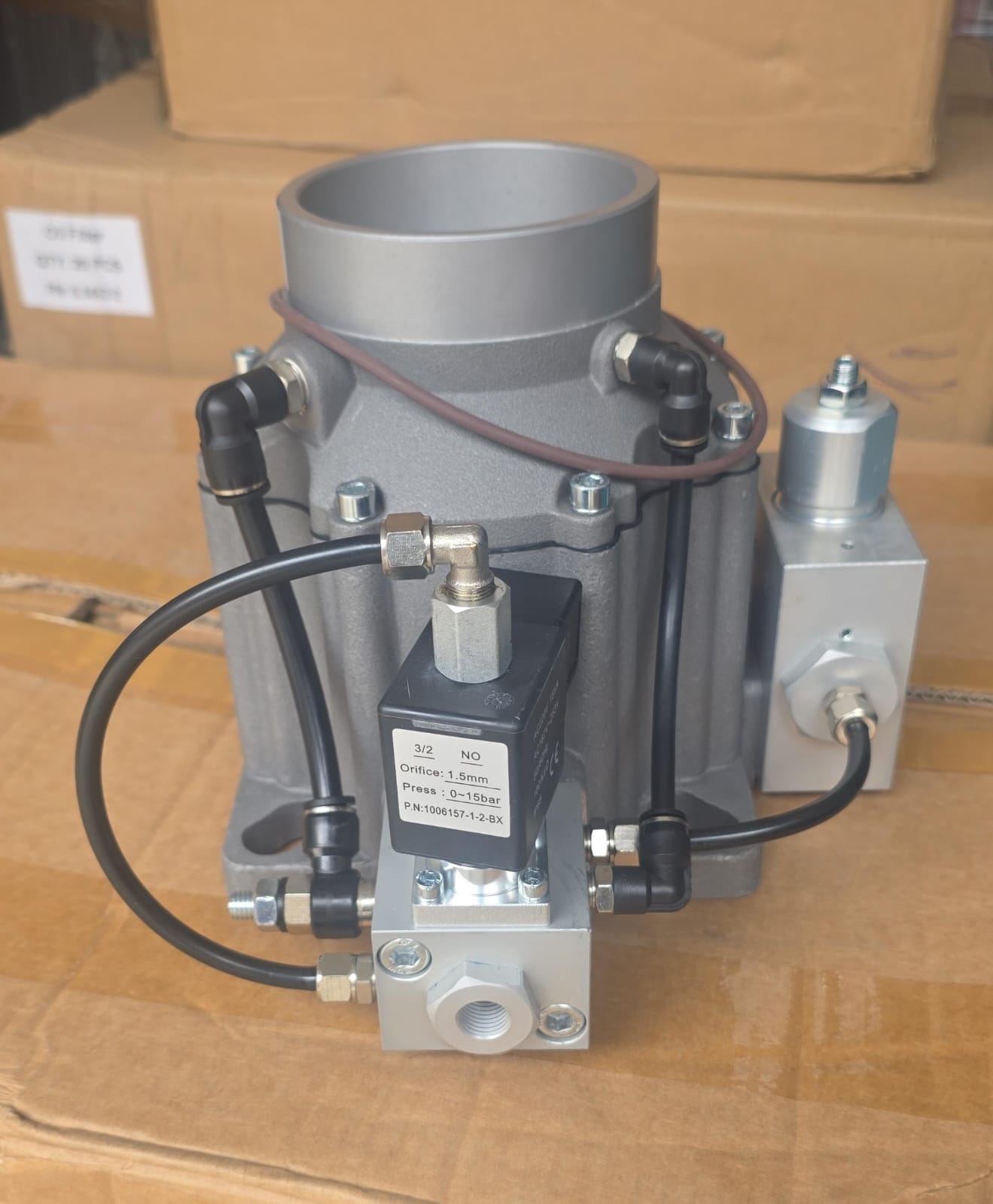
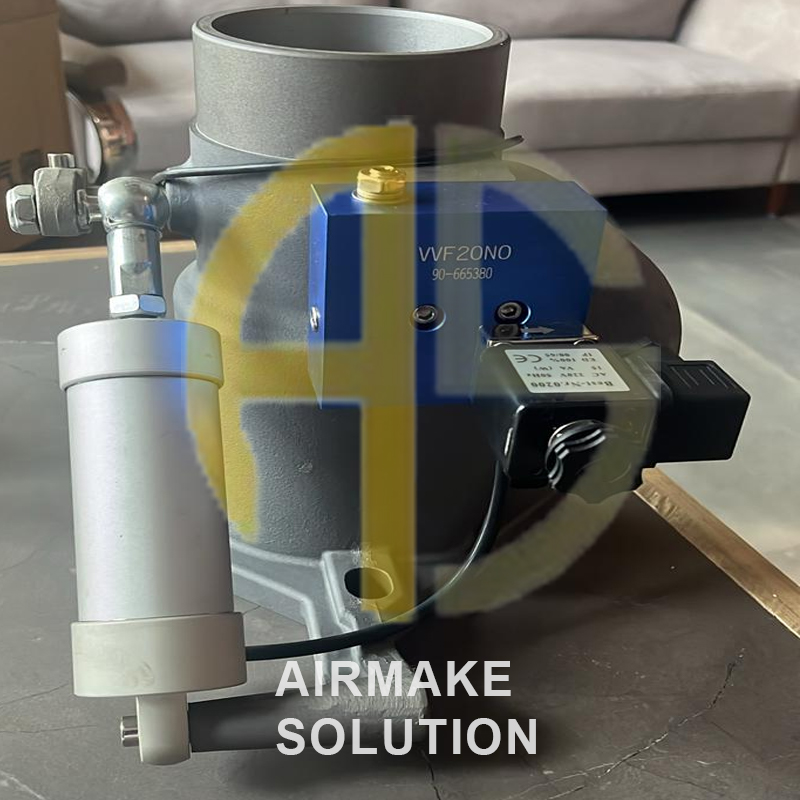
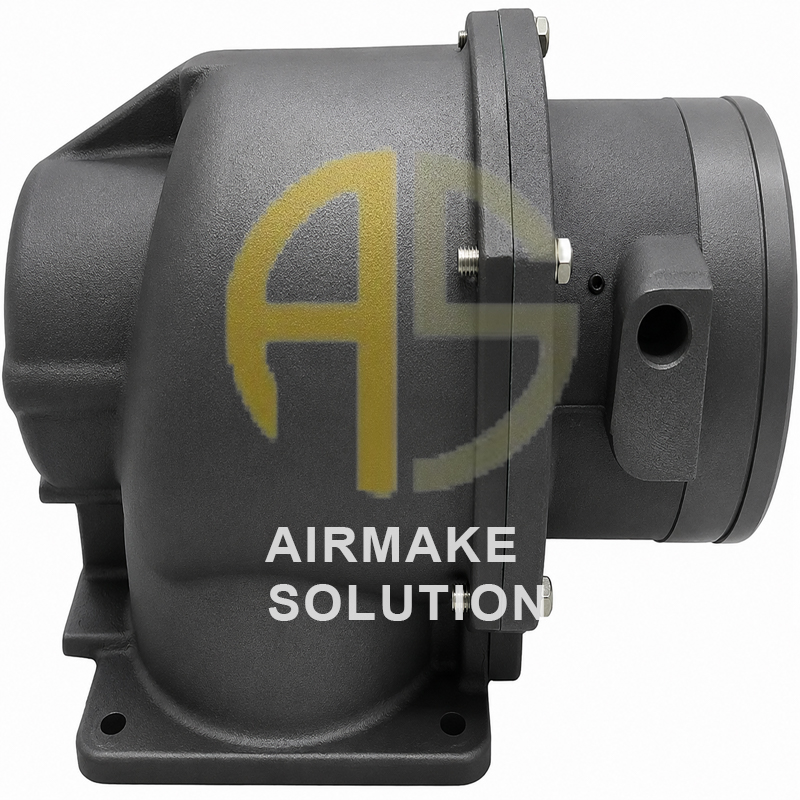
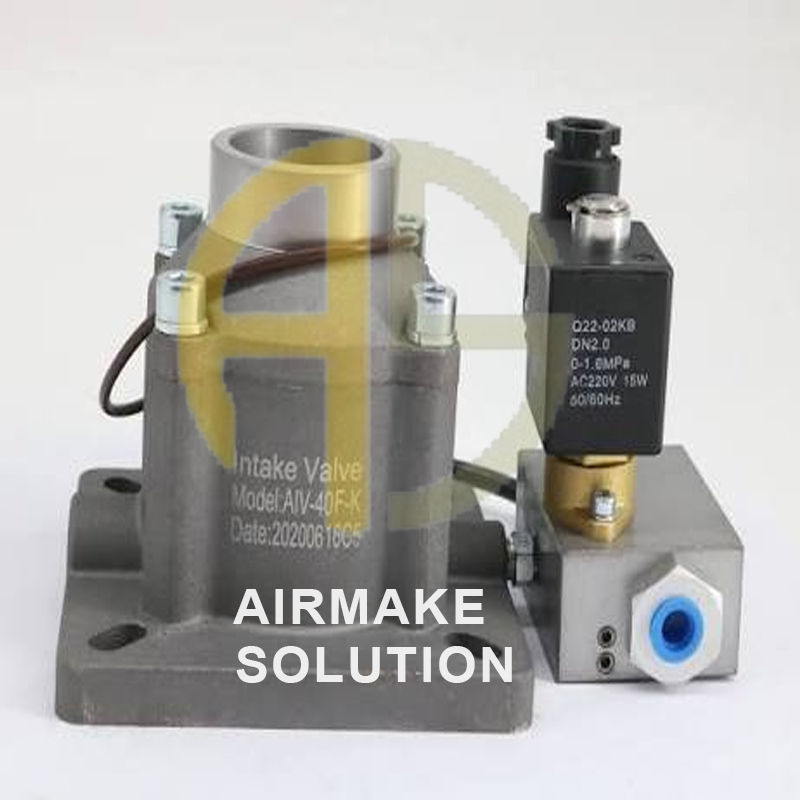
JIV-50B-L Intake Valve is an air compressor component designed to regulate the flow of atmospheric air entering the compressor. The intake valve plays an important role in compressor load and unload operation by controlling the compressor’s air intake according to operating requirements. A properly functioning intake valve can support stable compressor operation, efficient airflow management and dependable performance. Always verify the part number and compressor configuration before replacement.
JIV-50B-L Intake Valve Supports Efficient Compressor Airflow
The JIV-50B-L Intake Valve is an important component in an air compressor’s air-intake system. An intake valve controls how much atmospheric air enters the compressor during operation. By managing the incoming airflow, the valve helps the compressor respond to changing air demand and operating conditions.
In a rotary screw compressor, the intake system works together with the compressor air end, control system and other components to manage compressed-air production. The intake valve therefore plays an important role in maintaining controlled and stable compressor operation.
Choosing the correct JIV-50B-L Intake Valve and installing it according to the applicable compressor service procedure can help support dependable compressor maintenance.
Control the Compressor Intake Airflow
The primary function of an intake valve involves controlling the air entering the compressor. The compressor draws atmospheric air through the intake system before compressing it.
The intake valve regulates this process according to the compressor’s operating condition. During different operating stages, the valve may open, close or modulate depending on the compressor’s control arrangement.
Proper airflow control helps the compressor respond to changes in compressed-air demand.
Support Load and Unload Operation
Many industrial compressors use load and unload control to manage compressed-air production. The intake valve contributes to this control process by managing the air entering the compressor.
When the compressor needs to produce compressed air, the intake system allows the required air to enter. During an unload condition, the control system changes the intake-valve position to reduce or stop normal air intake.
A properly functioning valve helps the compressor transition between operating conditions smoothly.
Maintain Stable Compressor Operation
An intake valve that operates correctly helps maintain consistent compressor behavior. The valve must respond properly to the compressor’s control signals and operating conditions.
A damaged, contaminated or incorrectly adjusted intake valve can interfere with normal airflow management.
Regular inspection helps technicians identify potential problems before they develop into larger compressor-control issues.
Protect the Compressor Air-End
The air end performs the main compression process. It requires controlled airflow to operate correctly.
The intake valve helps regulate the air entering the air end. Proper control can support the compressor’s intended operating sequence and help maintain appropriate system conditions.
Technicians should therefore treat the intake valve as an important part of preventive compressor maintenance rather than as a simple airflow component.
Improve Airflow Management
Effective airflow management helps the compressor respond to changing demand. The intake valve works with the compressor controller and other control components to regulate compressor operation.
When the valve responds correctly, the compressor can manage its intake according to its operating requirements.
This makes the JIV-50B-L Intake Valve an important component for compressor airflow-control applications.
Identify Signs of Intake Valve Problems
A faulty intake valve can affect compressor operation. The exact symptoms depend on the compressor design and control system, but operators may notice unusual operating behavior.
Potential warning signs can include:
- Difficult load or unload operation
- Unstable compressor operation
- Incorrect intake-air behavior
- Unusual compressor cycling
- Reduced operating efficiency
- Unexpected pressure behavior
- Air leakage around the intake system
- Control-related alarms
These symptoms can result from several different causes. Technicians should inspect the complete intake and control system before replacing the valve.
Inspect the Valve During Compressor Maintenance
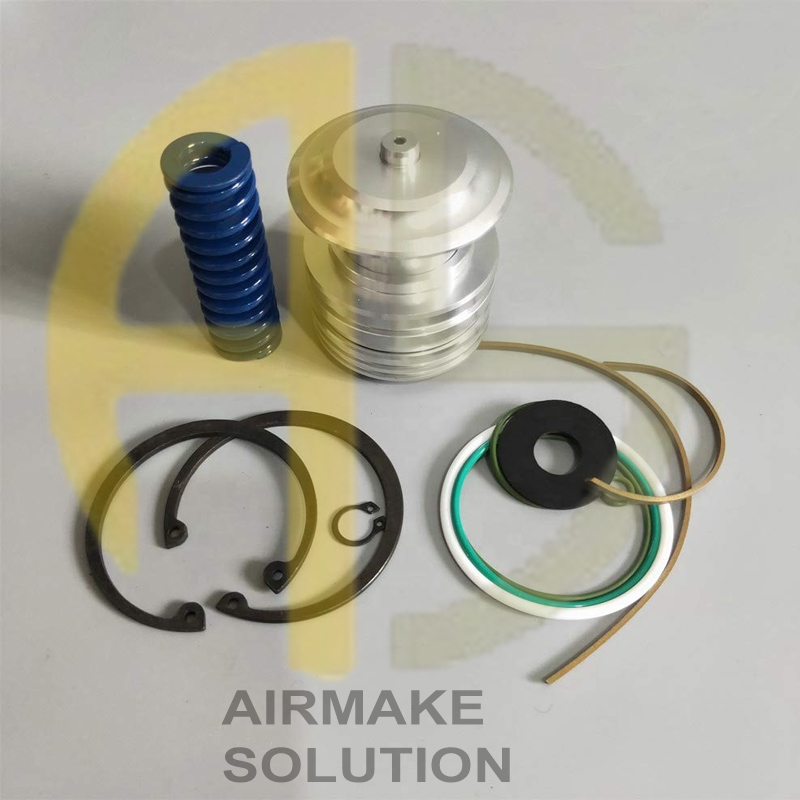
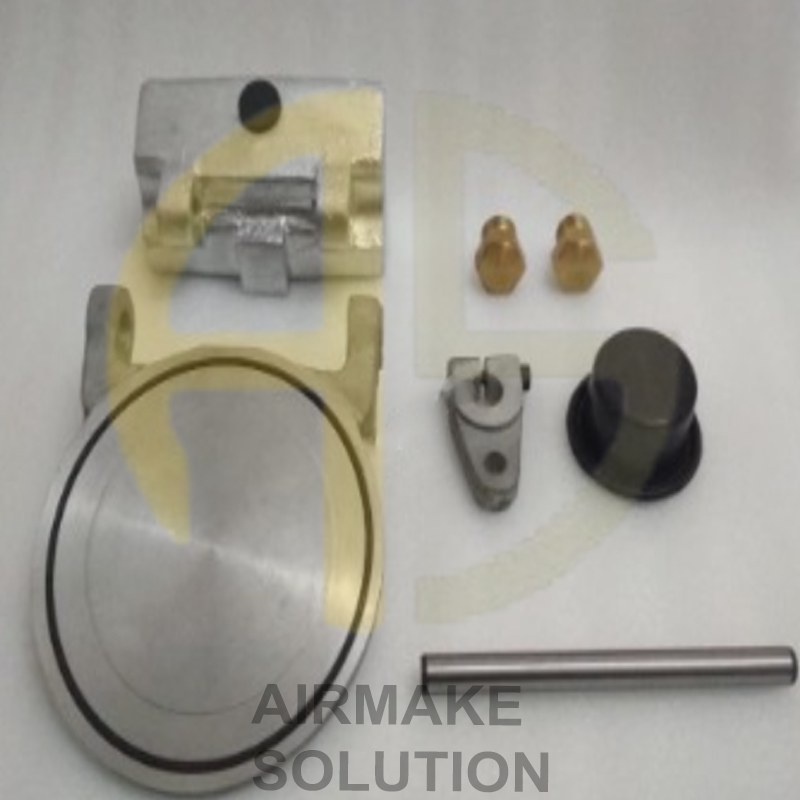
Regular inspection helps maintain the intake system. During scheduled compressor servicing, technicians can inspect the intake valve, seals, actuator mechanism and connected components.
The inspection should look for contamination, wear, damage, leakage or abnormal movement.
Technicians should also check whether the valve responds correctly to the compressor control system.
Following the applicable compressor service manual helps ensure that inspection and testing procedures match the equipment configuration.
Replace a Damaged Intake Valve
A damaged intake valve can prevent the compressor from controlling incoming air correctly. When inspection confirms that the valve has reached the end of its serviceable condition, replacement may become necessary.
Use the correct replacement part and follow the manufacturer’s installation procedure.
Before installing the JIV-50B-L Intake Valve, compare the replacement component with the existing valve and confirm the part number.
Correct identification helps reduce installation problems and unnecessary downtime.
Verify JIV-50B-L Compatibility
Part-number verification plays an important role when purchasing compressor spare parts.
Before ordering the JIV-50B-L Intake Valve, check:
- Existing part number
- Compressor manufacturer
- Compressor model
- Compressor serial number
- Valve configuration
- Connection arrangement
- Control or actuator configuration
- Service documentation
Do not assume that an intake valve fits every compressor simply because the component has a similar appearance.
Correct fitment protects the compressor from unnecessary installation and operating problems.
Install the Intake Valve Correctly
Correct installation helps the valve perform its intended function. Technicians should follow the applicable compressor service instructions when removing the old component and installing the replacement.
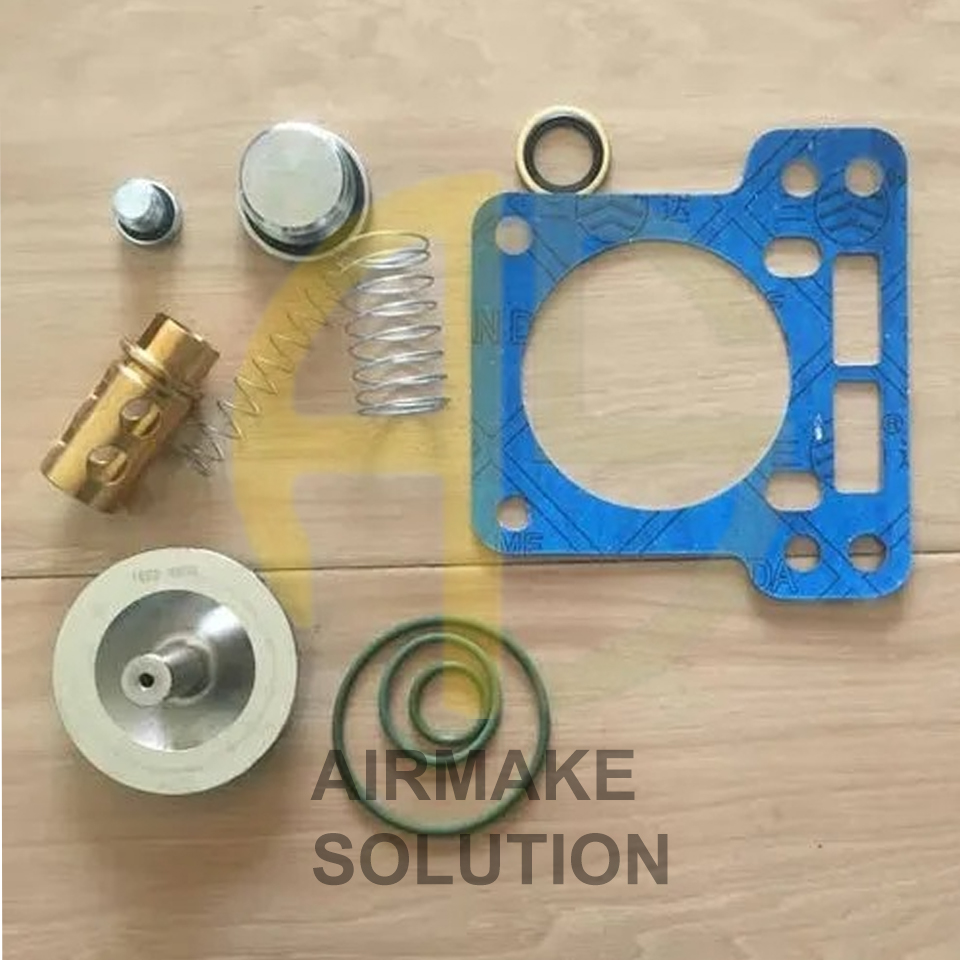
Before installation, inspect the connected surfaces and seals. Clean the relevant areas and replace damaged sealing components when required by the service procedure.
After installation, technicians should check valve movement and verify that the compressor control system operates correctly.
Maintain the Complete Intake System
The intake valve works as part of a larger compressor system. Maintaining only the valve may not resolve an airflow or control problem if another component has failed.
Technicians should also inspect:
- Air intake filter
- Intake piping
- Valve actuator
- Control tubing
- Solenoid components
- Pressure-control components
- Compressor controller
- Seals and connections
Maintaining the complete intake system helps support reliable compressor operation.
Reduce Unplanned Compressor Downtime
Industrial compressed-air systems often support important production processes. Unexpected compressor problems can interrupt operations and increase maintenance costs.
Preventive maintenance helps identify worn or damaged components before they cause serious problems.
Keeping suitable spare parts such as the JIV-50B-L Intake Valve available can also help maintenance teams respond more efficiently when replacement becomes necessary.
Choose the Correct Compressor Spare Part
Selecting the correct intake valve requires more than matching the product name. The part number, compressor configuration and operating arrangement must match the application.
AirMake Solution supplies air compressor spare parts for industrial compressor maintenance. Customers should provide the JIV-50B-L part number along with the compressor model and serial number when requesting availability or compatibility confirmation.
This information helps reduce the risk of ordering an unsuitable component.
Conclusion
The JIV-50B-L Intake Valve is an important air compressor component that helps regulate incoming airflow and supports controlled compressor operation. Proper intake-valve operation contributes to effective load and unload management, stable airflow and dependable compressor performance.
Regular inspection, correct installation and timely replacement can help maintain the compressor intake system. Because exact compatibility depends on the compressor configuration, always verify the JIV-50B-L part number against the compressor model and serial number before purchasing.
For industrial compressor maintenance, use the correct intake valve together with proper air filtration, control-system inspection and scheduled preventive maintenance.
Reviews
There are no reviews yet.