
- Home
- Kaeser Compressor Parts
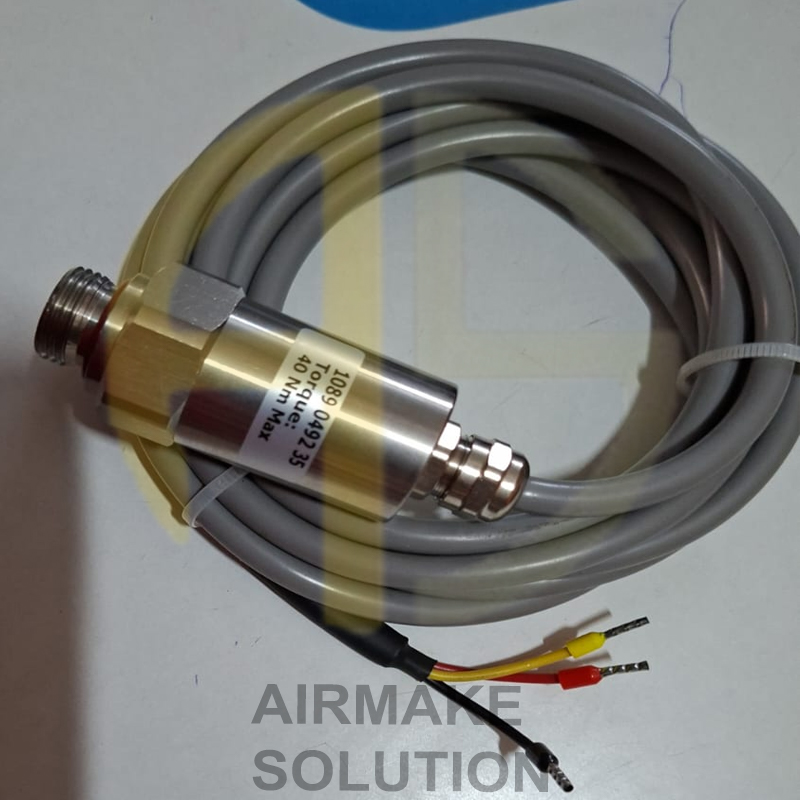
- Kaeser Pressure Sensor 7.7035.0
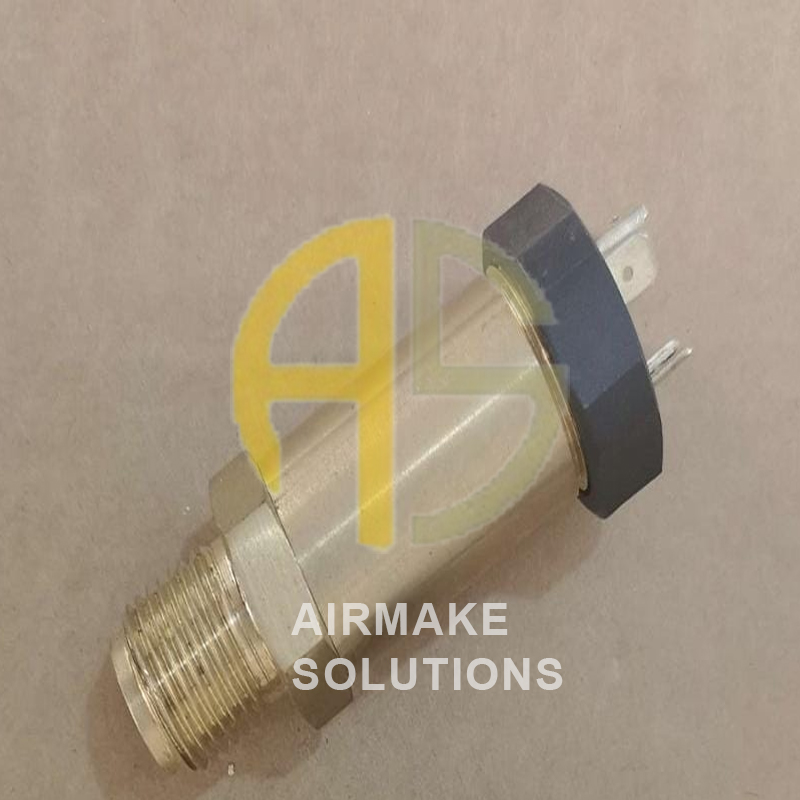
Kaeser Pressure Sensor 7.7035.0
The Kaeser Pressure Sensor 7.7035.0 is a precision compressor component designed to monitor pressure and support accurate compressor control. It helps the compressor maintain stable operating conditions, improve monitoring accuracy, and support reliable performance. A quality pressure sensor can also help identify abnormal pressure conditions and reduce the risk of unnecessary downtime. Verify the part number and compressor model before ordering to ensure proper compatibility.
Kaeser Pressure Sensor 7.7035.0 – Reliable Pressure Monitoring for Air Compressors
The Kaeser Pressure Sensor 7.7035.0 plays an important role in monitoring pressure within an industrial air compressor system. A compressor depends on accurate pressure information to maintain stable operation, support automatic control, and respond appropriately to changing working conditions. When the pressure sensor performs correctly, the compressor control system can receive reliable pressure data and manage the machine more effectively.
Industrial compressors often operate continuously under demanding conditions. Dust, vibration, temperature changes, pressure fluctuations, and long operating hours can gradually affect individual components. A pressure sensor must therefore provide dependable performance so the compressor can monitor operating conditions accurately.
The Kaeser Pressure Sensor 7.7035.0 is intended for applications where reliable pressure sensing is important. It can support compressor monitoring and control functions while helping maintenance teams identify pressure-related problems.
For replacement applications, always compare the existing component, part number, compressor model, technical specifications, and connector configuration before installation.
Accurate Pressure Monitoring
Pressure monitoring forms a critical part of modern compressor operation. The compressor control system needs pressure information to determine whether the machine operates within the required range.
A properly functioning pressure sensor provides the control system with pressure information that supports compressor management. This information can help the system respond when operating conditions change.
The Kaeser Pressure Sensor 7.7035.0 can help support:
- Reliable pressure measurement
- Compressor monitoring
- Stable operating conditions
- Automatic control functions
- Pressure-related fault detection
- Consistent compressor performance
Accurate sensing becomes especially important in industrial environments where compressed air supports production equipment, pneumatic tools, automation systems, and manufacturing processes.
Support Efficient Compressor Operation
A compressor must respond appropriately to changes in air demand. When pressure changes occur, the control system uses sensor information to manage compressor operation.
A reliable pressure sensor helps provide the information required for this process. When the sensor operates correctly, the compressor can monitor pressure conditions more effectively.
Proper pressure monitoring can contribute to efficient compressor operation by helping the system avoid unnecessary operating conditions. It can also support stable pressure delivery to the compressed-air network.
However, overall compressor efficiency depends on many factors, including compressor condition, air demand, system design, maintenance, leaks, filters, oil condition, and control settings. Replacing a faulty pressure sensor alone does not guarantee energy savings.
Improve Compressor Control
Modern industrial compressors use electronic controllers to monitor different operating parameters. Pressure represents one of the most important parameters because it directly affects compressor operation.
The Kaeser Pressure Sensor 7.7035.0 can provide pressure information to the compressor’s control system. This allows the system to monitor operating conditions and respond according to its programmed control strategy.
A faulty or inaccurate sensor can cause incorrect pressure readings. Depending on the compressor system, this may lead to inaccurate control, alarms, unstable operation, or unnecessary service requirements.
Installing a suitable replacement helps restore dependable pressure monitoring when the original sensor no longer performs correctly.
Protect Compressor Performance
A compressor operates as a combination of mechanical, electrical, and control components. Each component must perform correctly to maintain dependable operation.
Pressure sensors contribute to this system by monitoring pressure conditions. If the sensor provides incorrect information, the control system may not accurately understand the compressor’s operating condition.
Regular inspection and timely replacement can therefore help maintain reliable compressor monitoring.
The Kaeser Pressure Sensor 7.7035.0 can serve as a replacement component when the installed sensor requires replacement due to age, malfunction, inaccurate readings, or maintenance requirements.
Recognize Signs of a Faulty Pressure Sensor
A pressure sensor may require inspection when the compressor begins showing unusual pressure-related behavior.
Common signs can include:
Incorrect Pressure Readings
If the displayed pressure does not correspond with actual system conditions, technicians should inspect the pressure sensing system.
Frequent Pressure Alarms
Unexpected alarms can indicate a problem with pressure measurement, wiring, connections, or other compressor components.
Unstable Compressor Operation
Incorrect pressure information can affect compressor control and may contribute to unstable operating behavior.
Unexpected Start and Stop Cycles
If the control system receives incorrect pressure information, compressor cycling may become abnormal.
Maintenance or Diagnostic Errors
A controller may generate pressure-related diagnostic messages when the sensor or its associated circuit develops a problem.
These symptoms can have multiple causes. Technicians should diagnose the complete system before replacing the sensor.
Choose the Correct Replacement Part
Selecting the correct pressure sensor requires more than matching the general product name. Industrial compressor components can differ in pressure range, electrical characteristics, connection type, dimensions, and application.
Before purchasing the Kaeser Pressure Sensor 7.7035.0, verify:
- Part number
- Compressor model
- Sensor specifications
- Pressure range
- Electrical connection
- Connector configuration
- Physical dimensions
- Installation requirements
- Manufacturer documentation
Matching the part number provides an important starting point, but technicians should confirm compatibility with the specific compressor application.
Easy Maintenance and Replacement
Pressure sensors are typically located within the compressor’s pressure monitoring system. Maintenance personnel should follow the appropriate compressor service procedures before replacing the component.
Before installation, technicians should:
- Switch off the compressor.
- Isolate the equipment from the power supply.
- Release pressure according to the manufacturer’s service procedure.
- Locate the existing pressure sensor.
- Inspect the wiring and connector.
- Compare the replacement sensor with the existing component.
- Install the replacement correctly.
- Reconnect the electrical connection securely.
- Restore the compressor according to the service procedure.
- Check pressure readings and compressor operation.
Only qualified personnel should perform compressor maintenance where electrical or pressurized-system hazards exist.
Maintain Reliable Pressure Sensing
Replacing a pressure sensor should form part of a broader compressor maintenance program. Regular maintenance helps identify problems before they develop into costly failures.
Maintenance teams should inspect:
- Pressure sensors
- Electrical connections
- Compressor filters
- Oil filters
- Oil separators
- Air leaks
- Control panels
- Valves
- Cooling systems
- Lubricant condition
- Pressure readings
A clean and well-maintained compressor can operate more reliably and provide consistent compressed-air performance.
Applications of Kaeser Pressure Sensor 7.7035.0
Pressure sensing plays an important role across many compressed-air applications. Industrial compressors supply air to a wide range of equipment and processes.
The sensor can be relevant to compressor systems used in:
- Manufacturing plants
- Automotive industries
- Engineering workshops
- Pneumatic automation
- Packaging operations
- Textile production
- Food-processing facilities
- Pharmaceutical manufacturing
- General industrial applications
The exact application depends on the compressor model and control system. Always confirm the sensor’s compatibility before installation.
Why Use a Quality Pressure Sensor?
A pressure sensor may be a relatively small component, but it can have an important role in compressor control.
A suitable replacement can help provide:
Reliable Monitoring: Accurate pressure information supports dependable compressor monitoring.
Stable Control: Pressure information helps the compressor control system respond to operating conditions.
Reduced Downtime Risk: Timely replacement can prevent continued operation with a malfunctioning sensing component.
Better Maintenance: Reliable pressure data helps technicians diagnose operating conditions more effectively.
Consistent Performance: Proper sensing supports stable compressor operation when the rest of the system functions correctly.
Order Kaeser Pressure Sensor 7.7035.0
If you need a replacement Kaeser Pressure Sensor 7.7035.0, confirm the part number and compressor application before placing an order. Air compressor components require accurate compatibility because an incorrect electrical or pressure specification can affect compressor operation.
For purchasing assistance, provide the part number, compressor model, and available component details so the correct product can be verified.
Airmake Solution supplies air compressor parts and accessories for industrial compressor maintenance and replacement requirements.


Reviews
There are no reviews yet.