
- Home
- Air Compressor Mpv valve
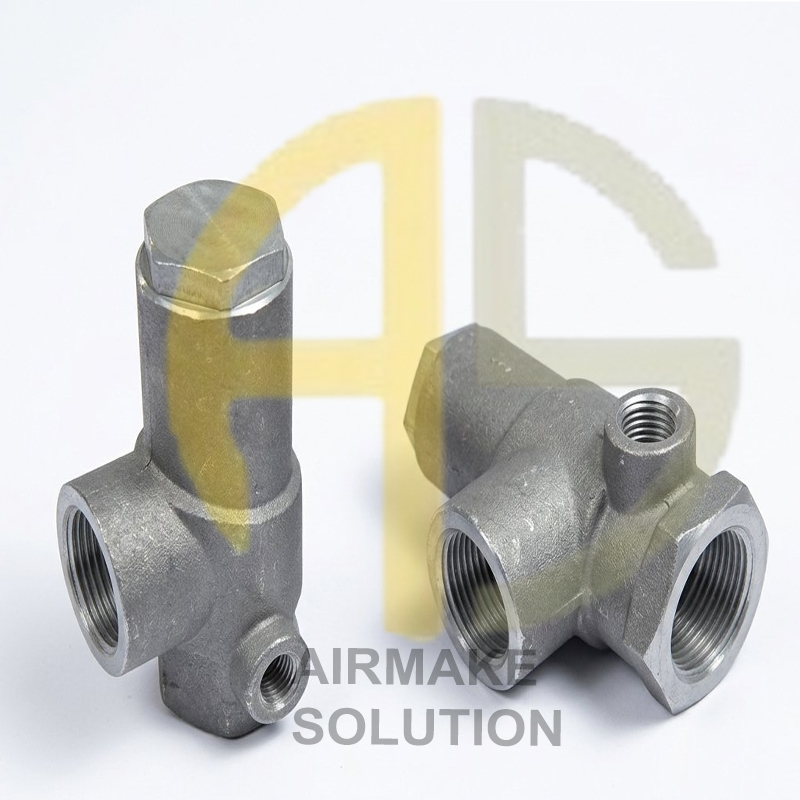
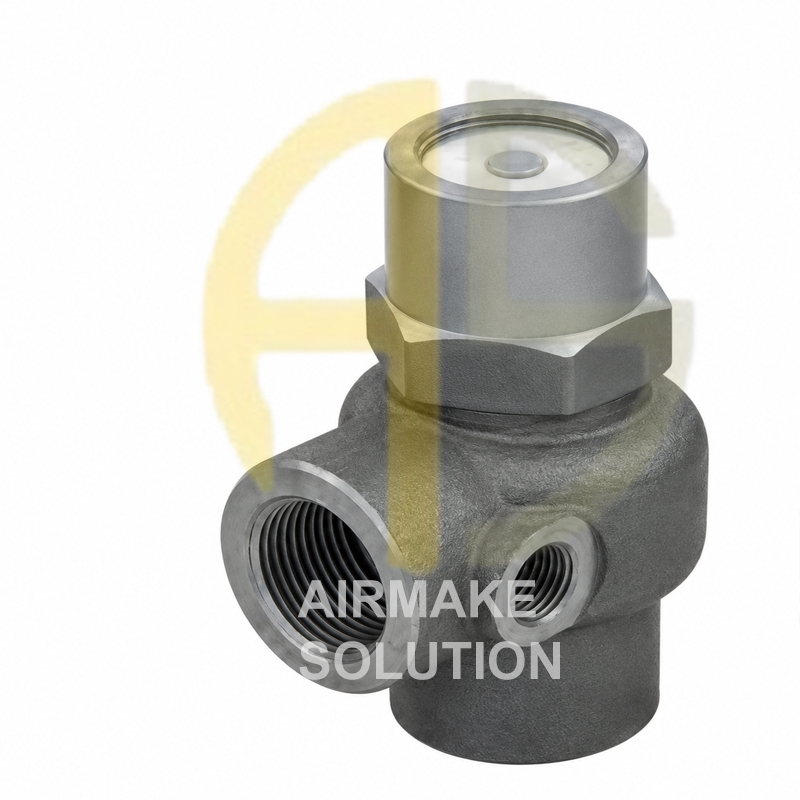
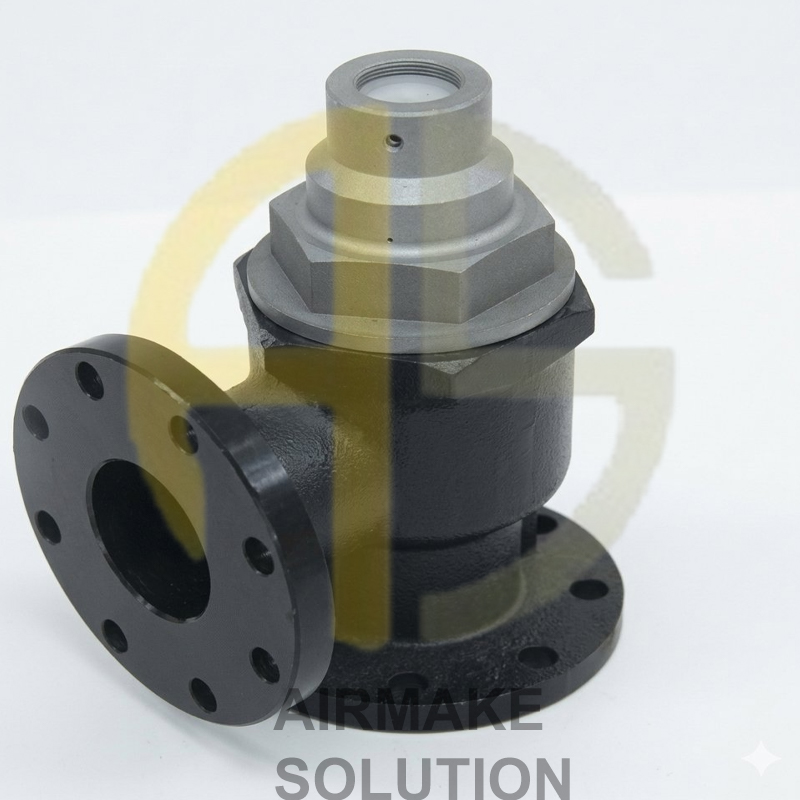
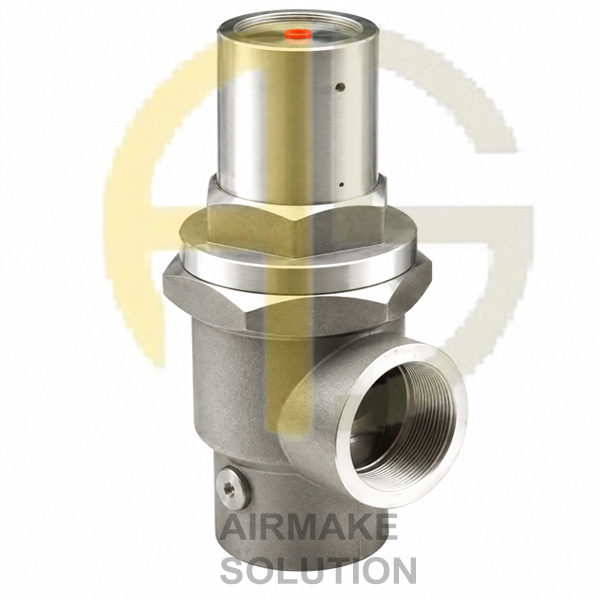
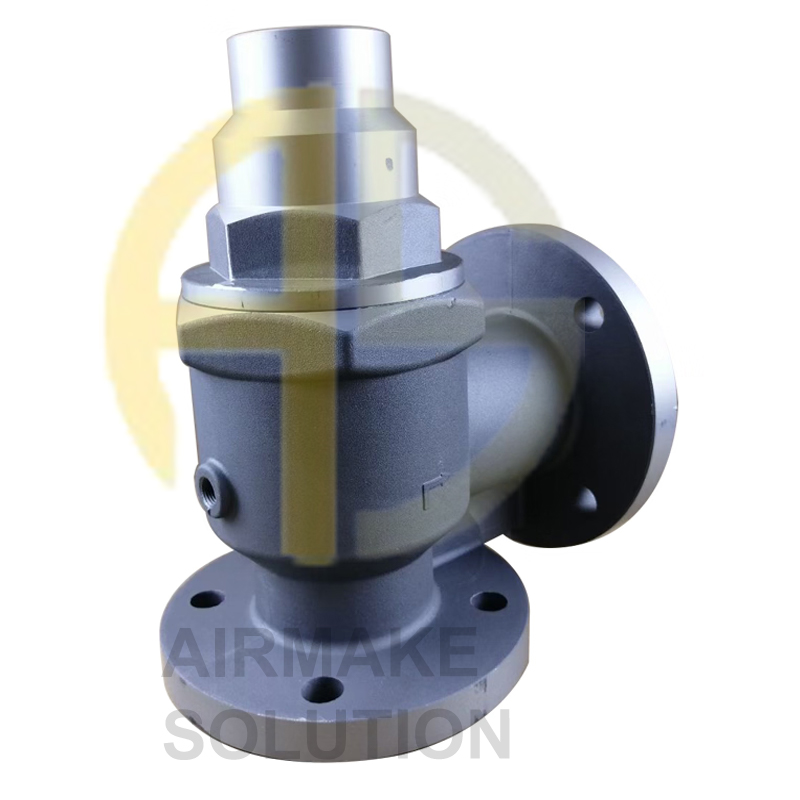
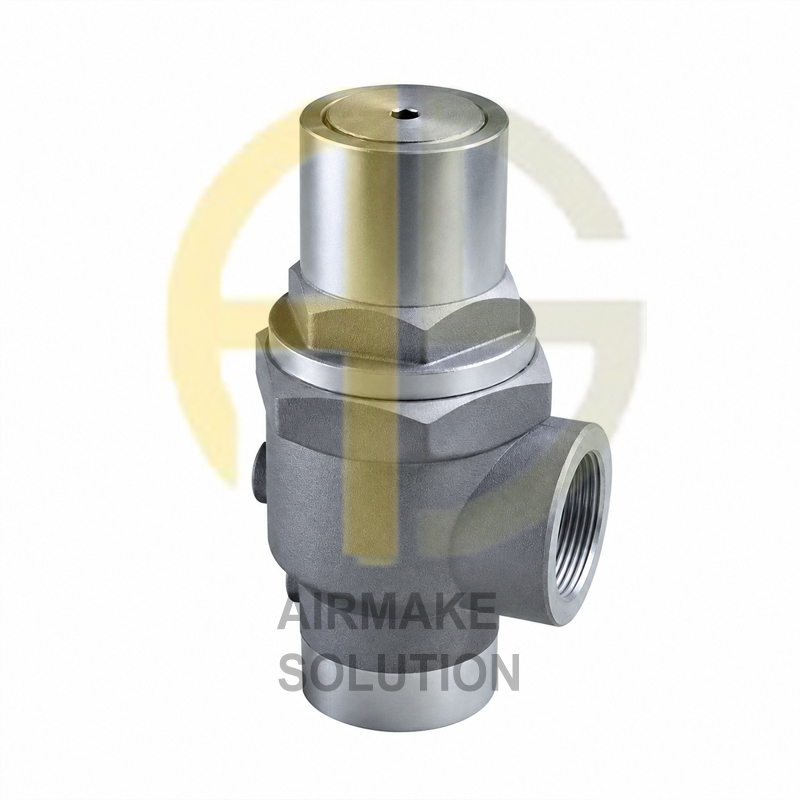
- Minimum Pressure Valve MPV-65T-Y
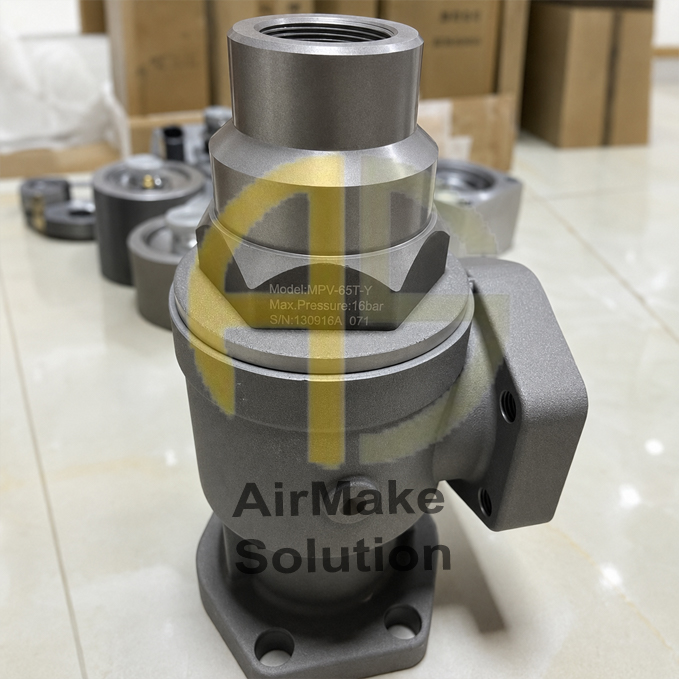
Minimum Pressure Valve MPV-65T-Y
The Minimum Pressure Valve MPV-65T-Y is designed for use in compatible rotary screw air compressor systems. It helps maintain the required internal pressure in the air-oil separator system while also supporting a non-return function to prevent compressed air from flowing backward after compressor shutdown. Proper minimum pressure supports lubrication and efficient air-oil separation. Always verify compatibility with your specific compressor model and serial number before installation.
Minimum Pressure Valve MPV-65T-Y: Complete Guide to Compressor Pressure Control and Protection
The Minimum Pressure Valve MPV-65T-Y plays an important role in the operation of compatible rotary screw air compressor systems. Although an air compressor contains many components, the minimum pressure valve performs a critical function by helping maintain sufficient internal pressure before compressed air flows downstream.
Rotary screw compressors rely on properly controlled internal pressure for several important processes. The air-oil separator system, lubrication circuit, and compressed-air delivery system must work together efficiently. The minimum pressure valve helps manage this process by controlling when compressed air leaves the separator vessel.
Minimum pressure valves are commonly installed downstream of the air-oil separator. During compressor operation, the valve remains closed until internal pressure reaches its designed opening range. Once sufficient pressure develops, the valve opens and allows compressed air to flow toward the downstream system. The valve also provides a non-return function that helps prevent downstream compressed air from flowing back into the compressor after shutdown.
The MPV-65T-Y is marketed as a replacement minimum pressure valve for compatible Atlas Copco air compressor applications. However, because compressor spare parts depend on machine configuration and serial number, users should always confirm fitment before purchasing or installing the valve.
Control Internal Pressure Before Releasing Compressed Air
One of the primary functions of a minimum pressure valve is to control the release of compressed air from the compressor’s separator system.
When a rotary screw compressor starts, the air-oil separator tank needs to build internal pressure. This pressure supports important compressor functions, including proper lubrication and separation performance.
The minimum pressure valve restricts air discharge until the required internal pressure develops. After the system reaches the designed opening pressure, the valve opens and allows compressed air to move toward the air treatment equipment, receiver tank, or production line.
This controlled operation helps the compressor:
- Maintain required internal pressure
- Support stable compressor operation
- Improve lubrication conditions
- Support effective air-oil separation
- Deliver compressed air after pressure builds correctly
Different compressor models may use different opening pressure settings. Therefore, maintenance teams should never assume that all MPV valves operate at the same pressure. Always follow the specifications for the exact compressor and valve application.
Support the Compressor Lubrication System
Lubrication is essential for rotary screw compressor reliability. In oil-injected screw compressors, the compressor requires suitable oil circulation to lubricate, cool, and seal internal components.
The minimum pressure valve helps maintain sufficient pressure inside the air-oil separator system during operation. This internal pressure supports the compressor’s lubrication process.
If the minimum pressure valve opens too early, the separator tank may not maintain the required internal pressure. As a result, the compressor may experience operating problems related to insufficient pressure in the oil circuit or separator system.
A properly functioning MPV helps create stable operating conditions by maintaining pressure until the compressor reaches the required level.
For this reason, the minimum pressure valve should receive attention during scheduled compressor maintenance.
Improve Air-Oil Separation Performance
The air-oil separator removes oil from compressed air before the air moves toward downstream equipment.
For effective operation, the separator system depends on suitable pressure conditions. A minimum pressure valve helps maintain those conditions by preventing the separator vessel from releasing pressure too early.
The MPV therefore works as part of the complete air-oil separation process.
Proper operation can help support:
- Cleaner compressed air
- Effective oil separation
- Reduced oil carryover risk
- Stable separator performance
- More reliable compressor operation
The exact performance of the separator system depends on several factors, including separator condition, operating pressure, oil condition, compressor maintenance, and the correct functioning of the minimum pressure valve.
Prevent Backflow After Compressor Shutdown
The minimum pressure valve also performs an important non-return function.
When the compressor stops, compressed air may remain in the downstream air system. Without proper protection, this air could flow backward toward the compressor.
A functioning minimum pressure valve helps prevent reverse airflow into the compressor after shutdown. This non-return function supports safer and more controlled system operation.
Technical guidance for MPV systems identifies two major functions: maintaining minimum internal pressure and preventing reverse compressed-air flow after the compressor stops.
A valve that leaks or fails to close correctly may contribute to unwanted pressure loss or reverse airflow. Maintenance teams should investigate unusual pressure behavior and inspect the compressor according to the manufacturer’s procedures.
Choose the Correct MPV-65T-Y for Your Compressor
Correct part selection is essential when replacing a minimum pressure valve.
The MPV-65T-Y should not be selected based only on its name or visual appearance. Air compressor components may look similar while having different:
- Connection designs
- Pressure settings
- Flow capacities
- Valve dimensions
- Mounting configurations
- Internal spring settings
The MPV-65T valve family is associated with a nominal 65 mm size, while published MPV-65T specifications show applications with threaded or specialized connection configurations depending on the manufacturer and version. Published MPV-series information lists the MPV-65T model for significant compressor airflow ranges and up to 16 barg maximum pressure in one product range, but these general specifications should not be assumed to apply automatically to every MPV-65T-Y version.
Before ordering, verify:
- Compressor model
- Compressor serial number
- Existing valve part number
- Connection type
- Installation dimensions
- Required opening pressure
- Manufacturer specifications
This verification helps prevent installation problems and incorrect component selection.
Recognize Signs of a Faulty Minimum Pressure Valve
A minimum pressure valve can experience wear during long-term compressor operation. Springs, seals, pistons, seats, and other internal components may gradually lose their ability to operate correctly.
Common signs of an MPV problem may include:
- Low internal separator pressure
- Unstable compressor pressure
- Valve opening too early
- Air leakage
- Reverse airflow after shutdown
- Compressor performance issues
- Abnormal pressure behavior during startup
A faulty valve may also affect the compressor’s ability to maintain appropriate internal pressure.
However, these symptoms can also result from problems with other components. For example, separator issues, intake valve faults, pressure-control problems, leaks, or incorrect operating settings may produce similar symptoms.
Maintenance personnel should inspect the complete system instead of replacing components based only on symptoms.
Replace the MPV Safely
Minimum pressure valves operate in pressurized compressor systems. Always follow proper safety procedures before removing or servicing the valve.
Compressor maintenance guidance commonly recommends:
- Shut down the compressor.
- Disconnect the electrical power supply.
- Follow lockout and tagout procedures.
- Close the appropriate discharge or service valve.
- Release pressure from the air-oil separator system.
- Release downstream pressure where required.
- Allow the compressor to cool.
- Confirm that no hazardous pressure remains before disassembly.
Maintenance documentation also warns that springs inside minimum pressure valve assemblies can create hazards during disassembly.
Only qualified personnel should perform maintenance on pressurized compressor components.
Install the Minimum Pressure Valve Correctly
Correct installation is essential for reliable valve performance.
Before installing the MPV-65T-Y, inspect the surrounding system for contamination, damaged sealing surfaces, and worn connection components.
During installation:
- Use the correct replacement part.
- Inspect O-rings and seals.
- Clean the mounting surfaces.
- Avoid damaging sealing areas.
- Install the valve in the correct orientation.
- Tighten mounting hardware according to the equipment manufacturer’s specifications.
- Check for leaks after restarting the compressor.
Maintenance instructions for MPV systems emphasize cleaning sealing surfaces and avoiding damage to valve seats and sealing components during servicing.
Never modify the valve spring or pressure setting unless the compressor manufacturer specifically provides an approved adjustment procedure.
Maintain the MPV as Part of Preventive Compressor Service
A minimum pressure valve should form part of a broader compressor maintenance program.
A complete maintenance schedule may include inspections of:
- Air filters
- Oil filters
- Oil separators
- Compressor lubricant
- Intake valves
- Blowdown valves
- Temperature sensors
- Pressure sensors
- Minimum pressure valves
- Seals and gaskets
Regular maintenance helps identify wear before it develops into a major compressor problem.
Operating conditions also affect service requirements. Compressors installed in dusty, hot, or high-duty industrial environments may require more frequent inspections.
A proactive maintenance strategy can help reduce unexpected downtime and support reliable compressed-air production.
Improve Reliability with a Quality Replacement Valve
The minimum pressure valve may be a relatively compact component, but it performs a significant role in screw compressor operation.
A properly selected and installed MPV-65T-Y can help support:
- Controlled compressor discharge
- Stable internal pressure
- Lubrication system operation
- Air-oil separator performance
- Non-return protection
- Reliable compressed-air delivery
For replacement applications, always confirm that the part matches the compressor’s exact model and serial number. One supplier listing specifically recommends confirming compatibility because parts can be specific to a particular compressor model and serial number.
Why Choose Minimum Pressure Valve MPV-65T-Y?
The MPV-65T-Y is designed as a replacement minimum pressure valve for compatible screw compressor applications.
Key Benefits
- Helps maintain minimum internal pressure
- Supports compressor lubrication conditions
- Supports air-oil separation
- Helps control compressed-air discharge
- Provides a non-return function
- Helps prevent reverse airflow after shutdown
- Supports stable compressor operation
- Designed for compatible compressor applications
Always confirm the correct application before installation.
Conclusion
The Minimum Pressure Valve MPV-65T-Y is an important component in compatible rotary screw air compressor systems. It helps maintain internal pressure, supports lubrication and air-oil separation, and helps prevent compressed air from flowing backward after compressor shutdown.
Regular inspection and correct replacement can support reliable compressor performance and help reduce pressure-related operating problems.
Before purchasing the MPV-65T-Y, always verify the compressor model, serial number, connection design, and manufacturer specifications to ensure correct compatibility.
FAQ Schema Content
Q1. What is Minimum Pressure Valve MPV-65T-Y?
Answer: Minimum Pressure Valve MPV-65T-Y is a compressor component designed for compatible rotary screw air compressor systems. It helps maintain required internal pressure before releasing compressed air and supports a non-return function.
Q2. What does a minimum pressure valve do in a screw air compressor?
Answer: A minimum pressure valve helps maintain sufficient pressure inside the air-oil separator system. Once the required pressure develops, the valve opens and allows compressed air to flow downstream.
Q3. Why is minimum pressure important in a screw compressor?
Answer: Minimum internal pressure supports important compressor functions, including lubrication and air-oil separation. The correct pressure requirement depends on the compressor design and manufacturer specifications.
Q4. Does the MPV-65T-Y prevent reverse airflow?
Answer: A minimum pressure valve also performs a non-return function that helps prevent downstream compressed air from flowing backward into the compressor after shutdown.
Q5. How do I know if my minimum pressure valve is faulty?
Answer: Possible signs include low internal pressure, unstable compressor pressure, air leakage, early valve opening, reverse airflow after shutdown, or unusual compressor performance.
Q6. Can I install MPV-65T-Y on any air compressor?
Answer: No. Compatibility depends on the compressor model, serial number, connection type, dimensions, and required pressure specifications. Always verify fitment before ordering.
Q7. How often should I inspect a minimum pressure valve?
Answer: Inspect the valve according to the compressor manufacturer’s maintenance schedule. Harsh operating environments and high operating hours may require more frequent inspections.
Q8. Can I repair a minimum pressure valve?
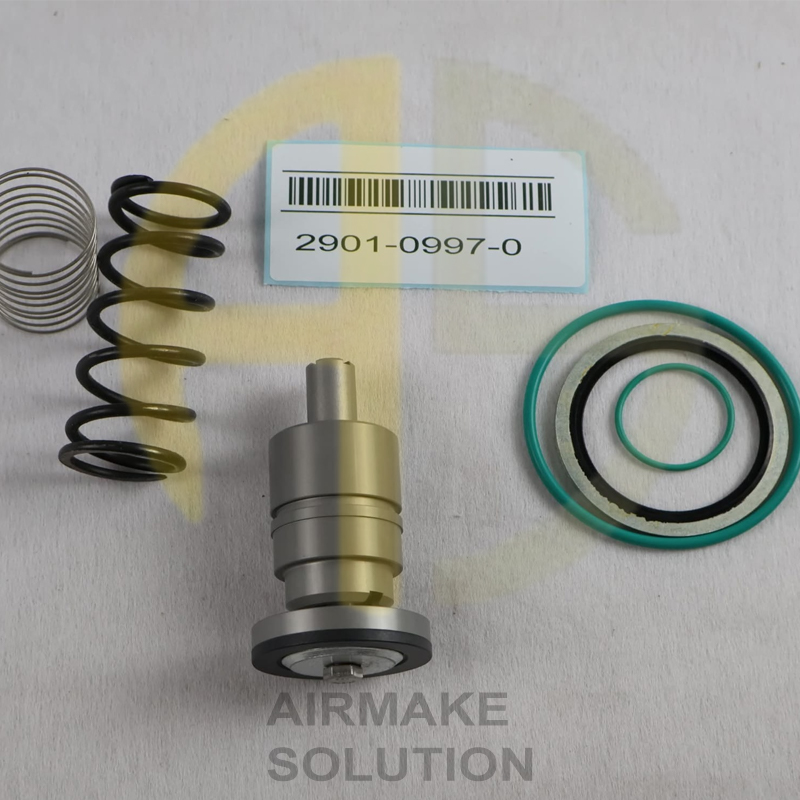
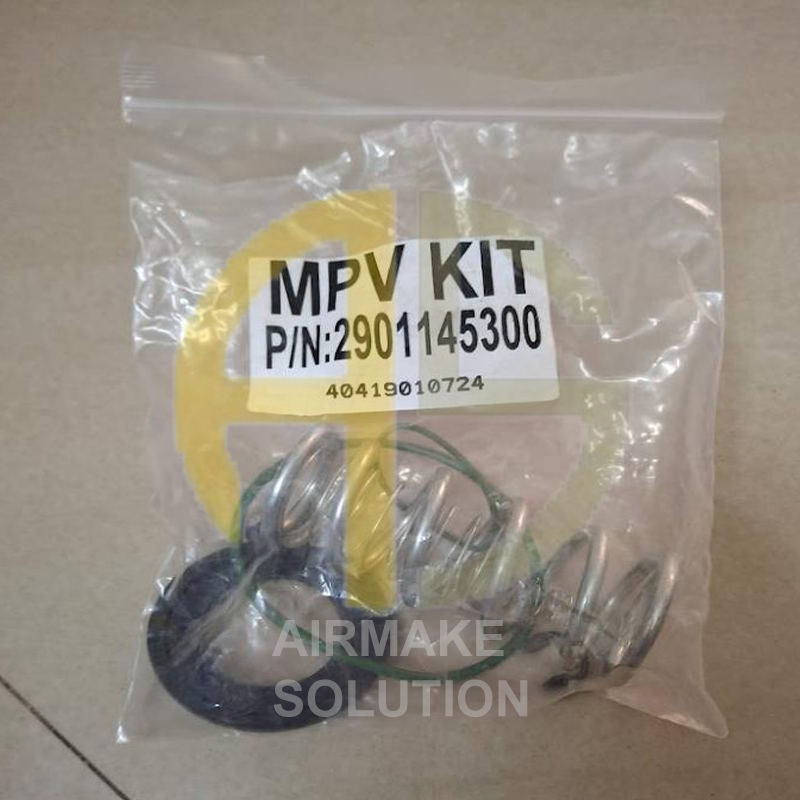
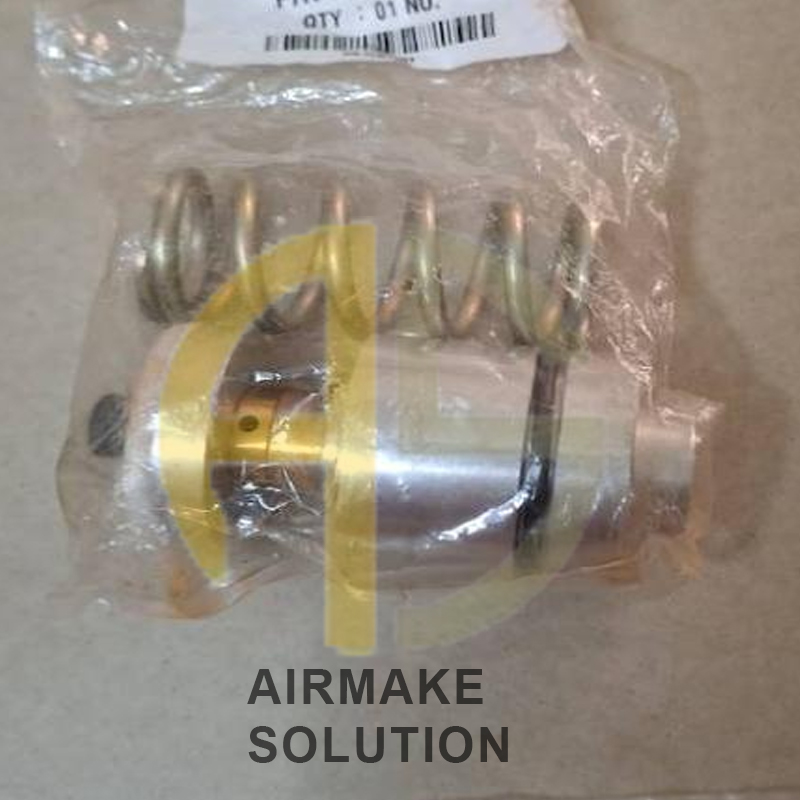
Answer: Some MPV assemblies use replaceable internal service components, while other applications may require replacement of the complete valve. Follow the maintenance instructions for your specific compressor model.
Q9. What safety precautions should I take before replacing an MPV?
Answer: Shut down the compressor, disconnect electrical power, apply lockout and tagout procedures, release all system pressure, close required service valves, and allow the system to cool before servicing.
Q10. What should I verify before buying MPV-65T-Y?
Answer: Verify your compressor model, serial number, existing valve part number, connection type, mounting configuration, and manufacturer specifications before purchasing.

Reviews
There are no reviews yet.