
- Home
- Air Compressor Oil Separators
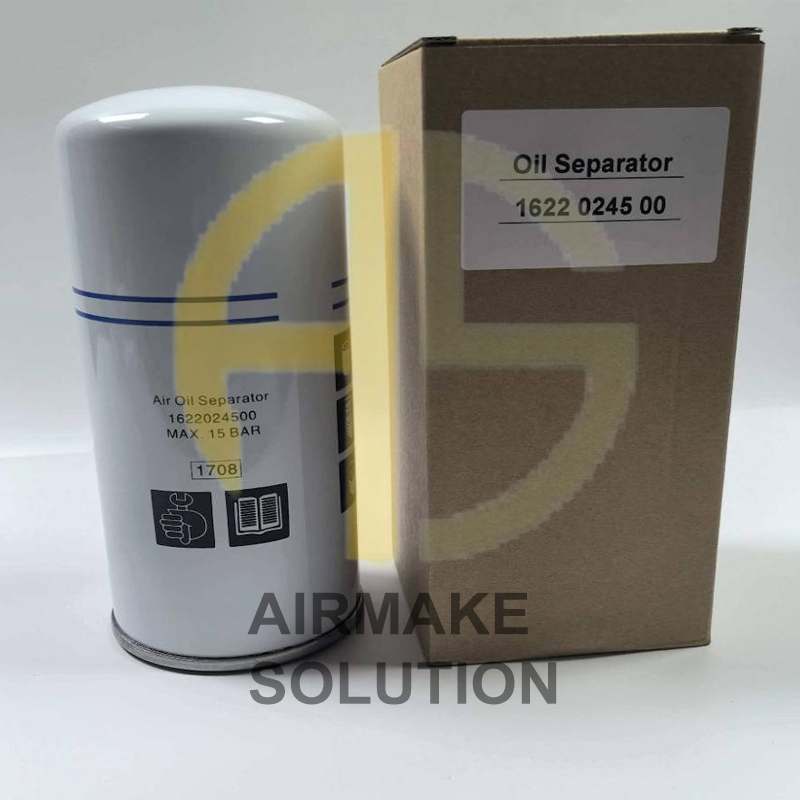
- Oil Separator 4930862101
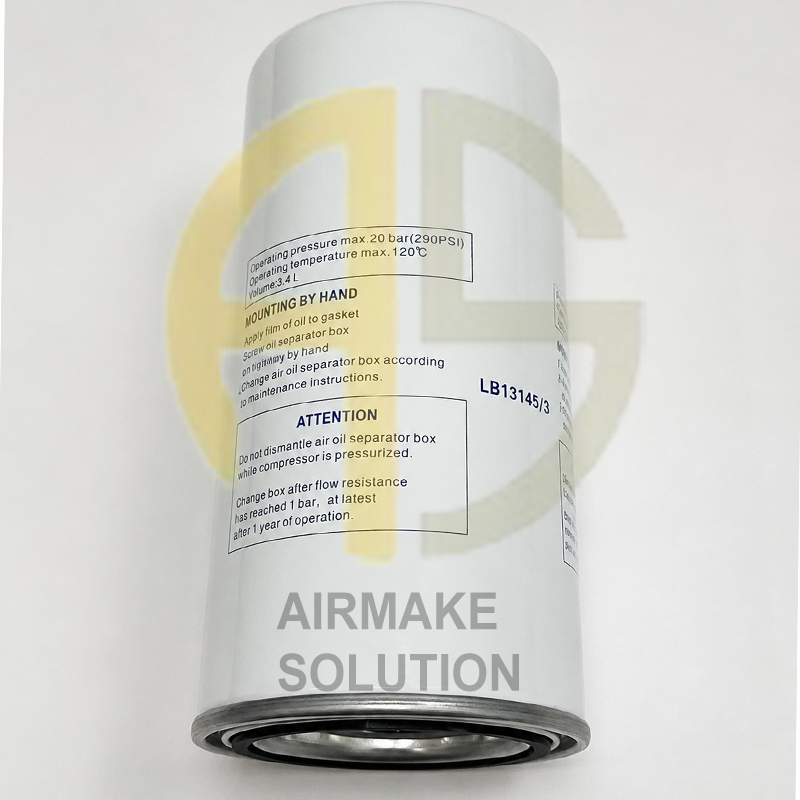
Oil Separator 4930862101
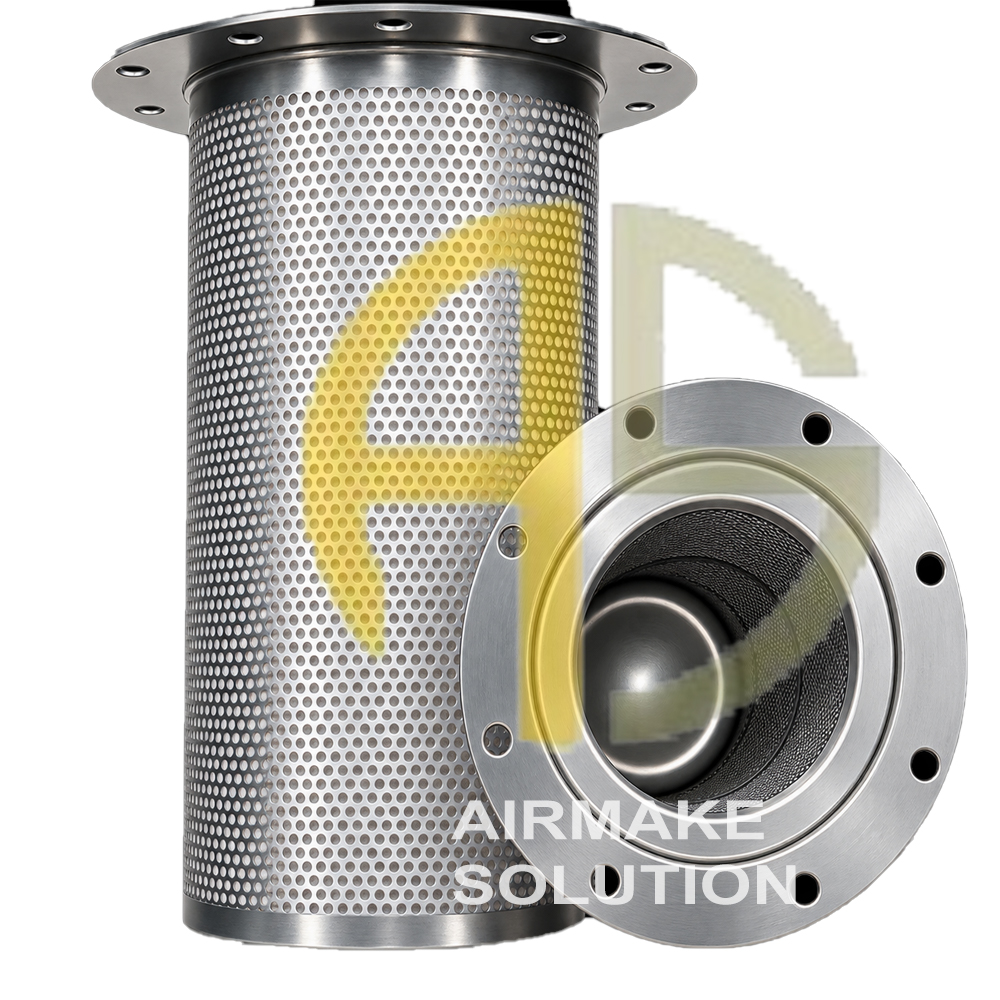
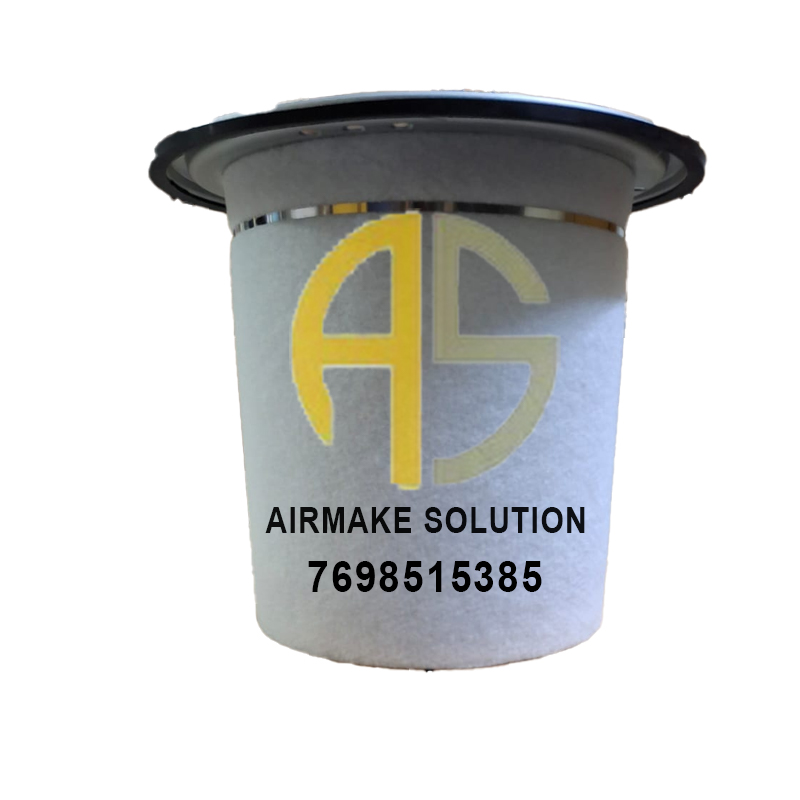
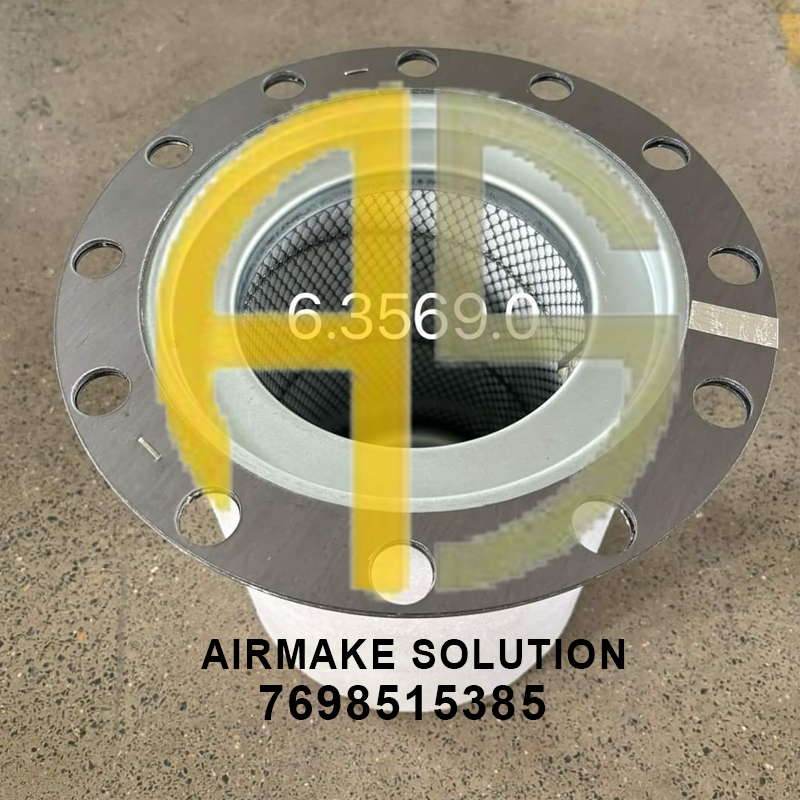
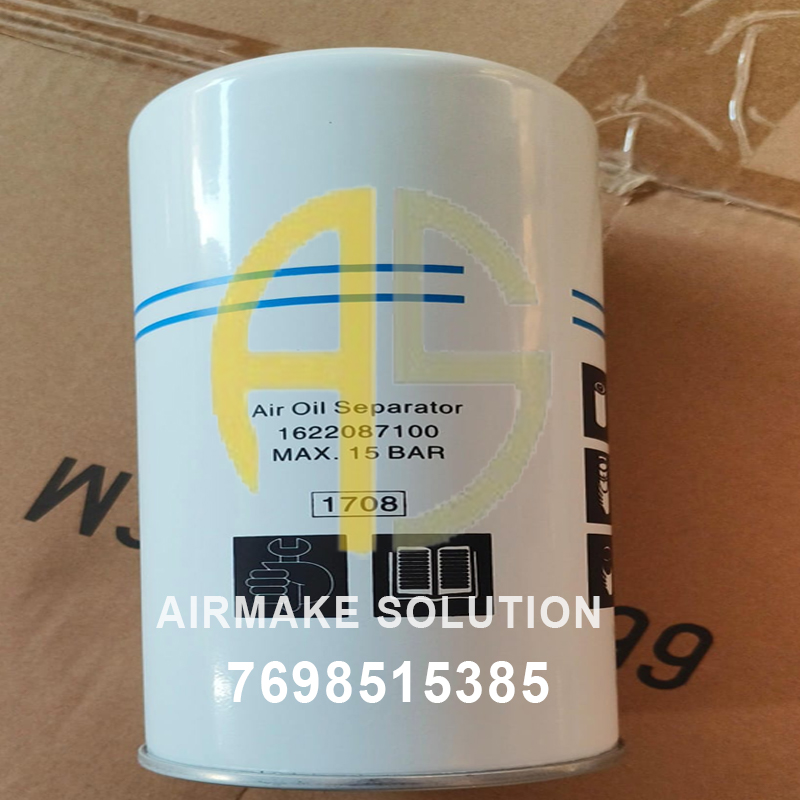
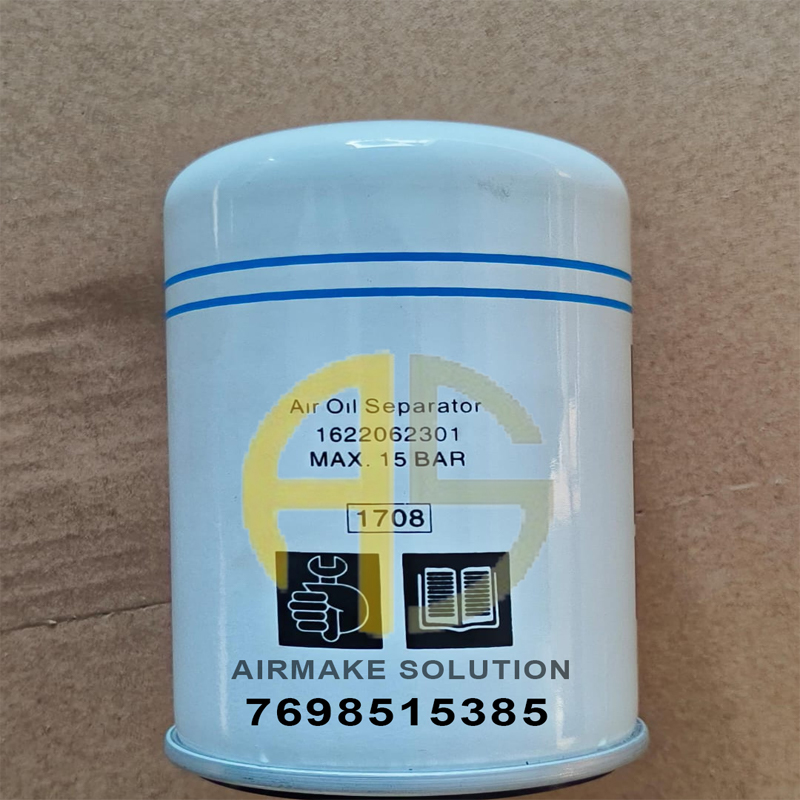
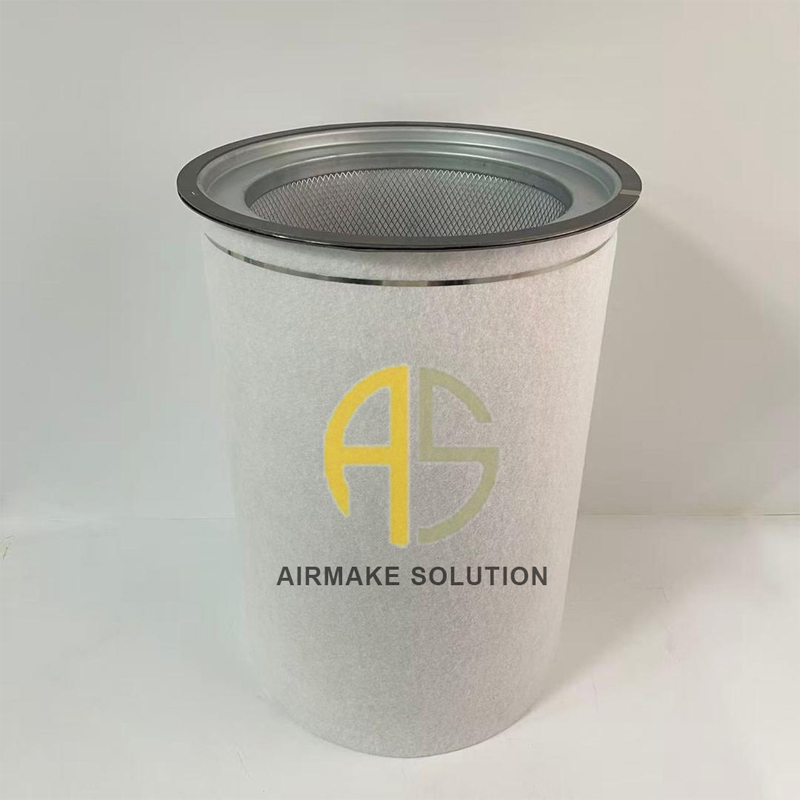
Oil Separator 4930862101 is an important air-oil separation component designed for compatible oil-injected screw air compressor applications. It helps separate lubricating oil from compressed air, supports reduced oil carryover, cleaner compressed air, efficient oil recovery, and reliable compressor performance. Always verify compatibility with your compressor model and existing part number before installation.
Oil Separator 4930862101 – Reliable Air-Oil Separation for Efficient Compressor Performance
Maintain Compressor Performance with Oil Separator 4930862101
In an oil-injected screw air compressor, several components work together to produce reliable compressed air. One of the most important components in this system is the air-oil separator. The Oil Separator 4930862101 helps separate lubricating oil from compressed air and supports efficient compressor operation.
During the compression process, lubricating oil mixes with the compressed air inside the compressor system. The oil performs important functions such as lubrication, cooling, and sealing. Before the compressed air leaves the compressor, the system must remove as much lubricating oil as possible.
The oil separator performs this important task. It helps capture fine oil droplets and supports the return of separated oil to the compressor lubrication system. At the same time, the compressed air continues toward the downstream air system.
A properly maintained Oil Separator 4930862101 can help support cleaner compressed air, reduced oil carryover, efficient lubricant recovery, and reliable compressor performance.
Understand How an Air-Oil Separator Works
Oil-injected screw compressors use lubricating oil during the compression process. The air and oil mixture moves through the compressor and enters the separation system.
The separation process generally takes place in stages. The separator system first removes larger quantities of oil through mechanical separation. The separator element then helps remove finer oil droplets from the compressed air.
The separated oil returns to the lubrication circuit, while cleaner compressed air moves toward the outlet.
The Oil Separator 4930862101 therefore supports several important functions:
- Separates oil from compressed air
- Helps reduce oil carryover
- Supports cleaner compressed air
- Helps recover lubricating oil
- Supports efficient compressor operation
The separator works together with other components, including the separator tank, oil filter, minimum pressure valve, thermal control system, and compressor element.
Reduce Oil Carryover with Efficient Separation
Oil carryover refers to lubricating oil travelling beyond the compressor with the compressed air. Excessive oil carryover can create problems for downstream equipment and increase lubricant consumption.
A properly functioning Oil Separator 4930862101 helps reduce the amount of oil that continues with the compressed air.
Reducing oil carryover can support:
- Cleaner compressed air
- Lower oil consumption
- Reduced contamination
- Improved downstream equipment protection
- Better maintenance planning
- More reliable compressor operation
Oil carryover can affect pneumatic equipment, air treatment systems, production machinery, and other compressed-air applications. For this reason, maintaining the separator remains an important part of compressor maintenance.
Support Cleaner Compressed Air
Industrial facilities use compressed air for many important applications. Manufacturing equipment, automation systems, pneumatic tools, packaging machinery, and processing equipment often depend on a reliable supply of compressed air.
The air-oil separator helps improve the quality of air leaving the compressor by reducing the amount of lubricating oil carried downstream.
Cleaner compressed air can help protect:
- Pneumatic tools
- Control valves
- Air dryers
- Line filters
- Actuators
- Production machinery
- Automation systems
Applications requiring higher levels of air purity may also require additional downstream filters and air treatment equipment.
The oil separator remains an important first stage in controlling oil contamination within an oil-injected compressed-air system.
Maintain Efficient Compressor Operation
The condition of the oil separator can directly affect compressor performance.
A clean and correctly functioning separator allows compressed air to move through the separation system while controlling oil carryover. Over time, however, contaminants and oil deposits can increase resistance inside the separator element.
When resistance increases, the pressure drop across the separator may also increase.
Higher pressure drop can make the compressor work harder to maintain the required operating pressure. This can affect overall system efficiency and increase energy consumption.
Regular separator maintenance can help support:
- Stable airflow
- Controlled pressure drop
- Efficient air-oil separation
- Reliable compressor operation
- Better energy management
Preventive maintenance helps operators identify potential separator problems before they affect the complete compressed-air system.
Protect Downstream Equipment from Oil Contamination
Oil contamination can affect equipment connected to the compressed-air network.
Excessive oil carryover may create maintenance problems in downstream components. Depending on the application, oil contamination may affect:
- Pneumatic cylinders
- Control systems
- Air-operated tools
- Production equipment
- Automation components
- Air treatment equipment
Maintaining the Oil Separator 4930862101 helps reduce the risk of excessive oil reaching these downstream systems.
However, operators should remember that the separator is only one part of the complete air treatment process. Applications requiring extremely clean air may require additional filtration and purification equipment.
Identify Signs That Your Oil Separator Needs Inspection
Oil separators experience normal wear during compressor operation. Maintenance teams should inspect the separator according to the compressor manufacturer’s maintenance schedule.
Several signs may indicate that the separation system requires inspection.
Increased Oil Consumption
If the compressor consumes more lubricating oil than usual, technicians should inspect the separator and related components.
Excessive Oil Carryover
Oil appearing in downstream compressed-air equipment may indicate reduced separator performance.
Increased Pressure Drop
A contaminated separator can create airflow resistance and increase pressure drop.
Reduced Compressor Efficiency
Higher internal resistance may affect compressor performance and energy consumption.
Frequent Maintenance Problems
Repeated contamination or lubrication issues may indicate that the complete separation system requires inspection.
These symptoms can also originate from other compressor components. Technicians should inspect the complete system to identify the actual cause.
Improve Maintenance Planning with Timely Replacement
Preventive maintenance helps reduce unexpected compressor downtime.
Instead of waiting for a separator to fail completely, maintenance teams can inspect and replace the component during scheduled service.
A planned maintenance approach can help:
- Reduce unexpected downtime
- Maintain stable compressor operation
- Improve maintenance scheduling
- Protect downstream equipment
- Reduce unnecessary lubricant consumption
The correct replacement interval depends on the compressor operating environment and manufacturer recommendations.
Compressors operating continuously or in demanding conditions may require more frequent monitoring.
Consider Operating Conditions
The operating environment can influence the service life of an air-oil separator.
Several factors can affect maintenance requirements.
Continuous Operation
Compressors operating for long hours may require more frequent inspection.
High Temperature
High operating temperatures can affect oil condition and component performance.
Contaminated Environment
Dust and airborne contaminants can affect the complete compressor system.
Poor Lubricant Condition
Degraded or contaminated lubricant can affect separator performance.
Delayed Maintenance
Ignoring maintenance intervals can increase the risk of performance problems.
A maintenance schedule should consider both manufacturer recommendations and actual operating conditions.
Verify Compatibility Before Installation
Correct part selection is essential for compressor maintenance.
Before ordering Oil Separator 4930862101, verify:
- Compressor manufacturer
- Compressor model
- Compressor serial number
- Existing separator part number
- Separator dimensions
- Technical specifications
- Installation requirements
Do not select an oil separator based only on its appearance. Similar-looking separator elements can have different dimensions, filtration characteristics, sealing arrangements, and compatibility requirements.
Confirming compatibility before ordering helps reduce incorrect installation and unnecessary downtime.
Install the Oil Separator Correctly
Proper installation helps the separator operate as intended.
Before beginning maintenance:
- Shut down the compressor safely.
- Isolate electrical power.
- Depressurize the compressor completely.
- Allow hot components to cool.
- Follow the manufacturer’s approved maintenance procedure.
- Remove the existing separator carefully.
- Inspect related seals and connections.
- Install the correct replacement separator.
- Reassemble the system according to specifications.
- Start the compressor and check for leaks or abnormal operation.
Installation should be performed by qualified technicians.
Always follow manufacturer recommendations for service procedures and safety requirements.
Combine Separator Service with Other Maintenance
The air-oil separator works as part of a complete compressor system.
During scheduled maintenance, technicians should also inspect related components.
Important maintenance areas include:
- Air filters
- Oil filters
- Compressor lubricant
- Minimum pressure valve
- Intake valve
- Thermal valve
- Hoses and connections
- Pressure sensors
- Temperature sensors
- Seals and O-rings
Inspecting these components together helps identify potential problems early.
A complete maintenance strategy supports better compressor reliability than replacing individual components only after failure occurs.
Support Long-Term Compressor Reliability
Reliable compressed-air production depends on consistent maintenance.
The Oil Separator 4930862101 helps support important compressor functions by reducing oil carryover and supporting efficient oil recovery.
A properly maintained separator system can contribute to:
- Reliable compressor operation
- Reduced oil contamination
- Better downstream equipment protection
- Improved maintenance planning
- Reduced operational interruptions
- Long-term equipment reliability
Regular inspection and timely replacement remain important for achieving these benefits.
Choose Quality Replacement Components
Selecting the correct replacement component is important for air compressor maintenance.
A suitable oil separator should match the compressor’s technical requirements and application.
Before purchasing, confirm:
- Part number accuracy
- Compressor compatibility
- Product specifications
- Required dimensions
- Installation requirements
Always check whether the component is an OEM part or a compatible replacement and ensure that it meets the requirements of your specific compressor application.
Conclusion
The Oil Separator 4930862101 is an important component for compatible oil-injected screw air compressor systems. It helps separate lubricating oil from compressed air, supports cleaner air delivery, reduces oil carryover, and helps recover oil for continued compressor operation.
Regular maintenance and timely replacement can help maintain efficient separation performance and protect downstream equipment from excessive oil contamination.
A complete preventive maintenance program should include regular inspection of the oil separator along with air filters, oil filters, lubricant condition, valves, and control components.
Before purchasing or installing Oil Separator 4930862101, always confirm the exact compressor model, serial number, existing part number, and technical compatibility. Choosing the correct replacement component and following proper maintenance procedures helps support reliable compressor performance and long-term operational efficiency.




Reviews
There are no reviews yet.