Compressed air is often referred to as the fourth utility in modern industries because it powers countless manufacturing processes, pneumatic tools, packaging systems, automation equipment, and production lines. However, the quality of compressed air is just as important as its availability. Contaminated compressed air can damage machinery, reduce product quality, increase maintenance costs, and shorten the lifespan of industrial equipment.
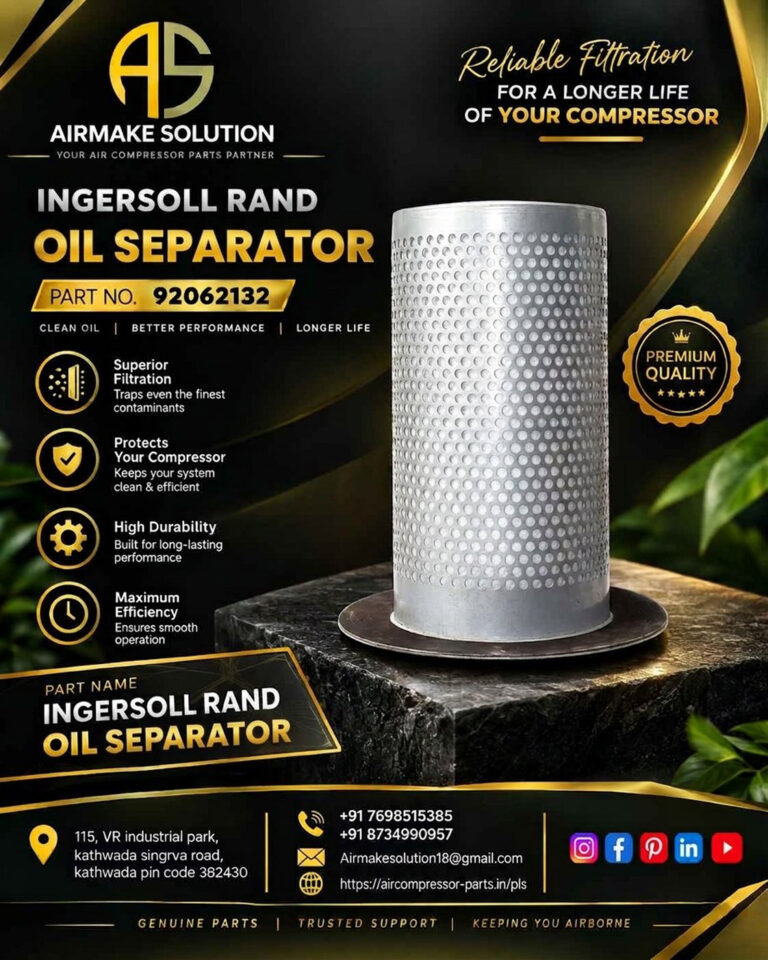
One of the most important components responsible for delivering clean compressed air is the oil separator. In an oil-injected screw air compressor, lubricating oil plays a vital role in cooling, sealing, and lubricating the compression chamber. During compression, oil mixes with compressed air, making efficient separation essential before the air reaches downstream equipment.
A high-quality oil separator removes oil particles from the compressed air stream, ensuring cleaner air, improved compressor efficiency, lower oil consumption, and longer equipment life. Whether your industry involves food processing, pharmaceuticals, automotive manufacturing, textiles, electronics, or heavy engineering, maintaining clean compressed air is critical for productivity and compliance.
This guide explains how oil separators work, why compressed air quality matters, the benefits of using premium oil separators, maintenance best practices, and tips for maximizing compressor performance.
What Is an Oil Separator?
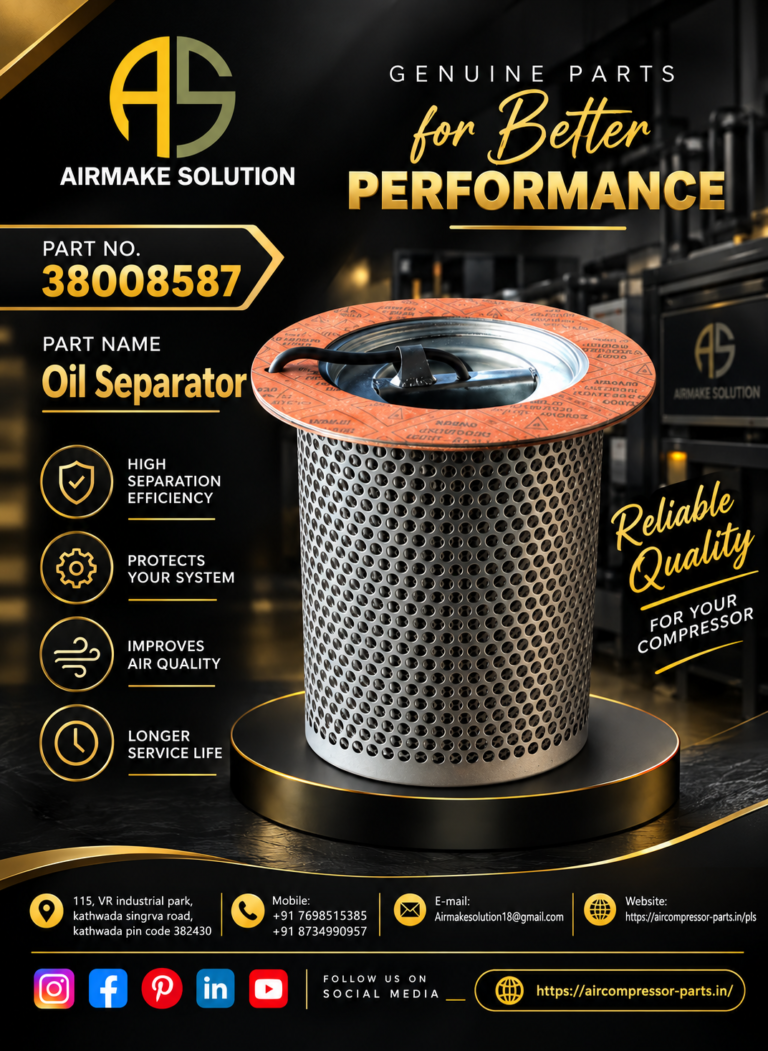
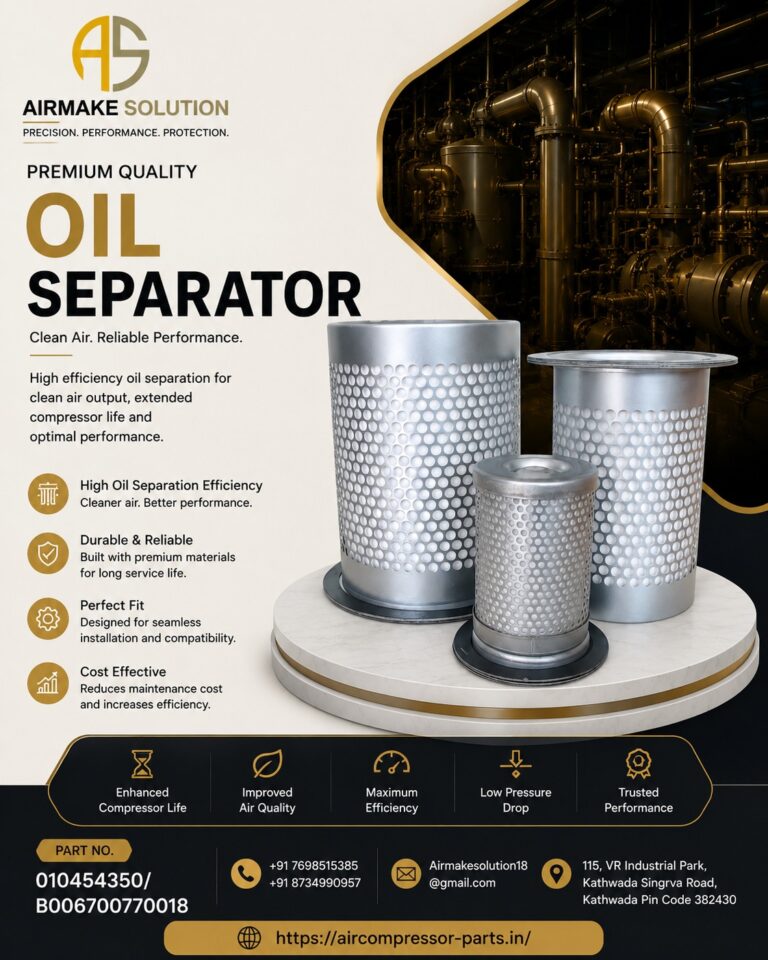
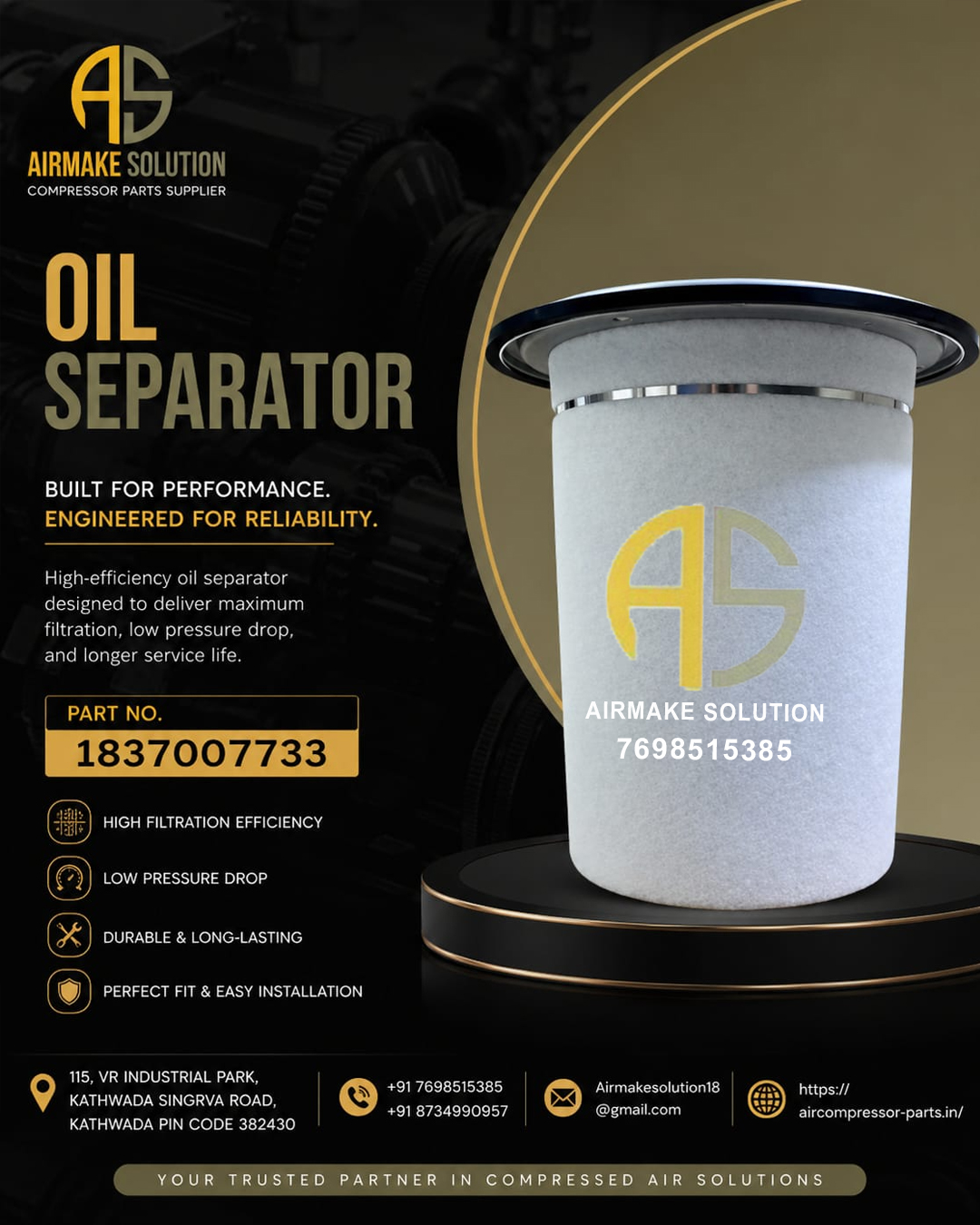
An oil separator is a filtration component installed inside an oil-injected rotary screw air compressor. Its primary function is to separate compressor oil from compressed air before the air enters the distribution system.
After air compression, the air-oil mixture enters the separator vessel. Using centrifugal force and high-efficiency filter media, the separator removes oil droplets and fine oil mist from the compressed air. The recovered oil returns to the compressor lubrication system, while clean compressed air flows to downstream equipment.
Without an efficient oil separator, oil contamination can spread throughout the compressed air system, affecting machinery, production quality, and maintenance costs.
Why Compressed Air Quality Matters
Compressed air directly affects the performance of industrial equipment and finished products.
High-quality compressed air helps:
- Improve production efficiency
- Protect pneumatic tools
- Reduce equipment wear
- Prevent product contamination
- Lower maintenance costs
- Improve workplace safety
- Extend compressor life
- Meet industry quality standards
Poor air quality, on the other hand, leads to frequent repairs, production downtime, and unnecessary operating expenses.
How Oil Separators Work
Understanding the oil separation process helps explain why these components are so important.
Step 1: Air Compression
Atmospheric air enters the compressor and mixes with lubricating oil inside the rotary screw air end.
The oil cools the compression chamber, seals rotor clearances, and lubricates moving parts.
Step 2: Primary Separation
The compressed air-oil mixture enters the separator tank.
Larger oil droplets separate naturally through centrifugal force and gravity.
Step 3: Fine Filtration
The compressed air passes through premium glass fiber separator media.
Microscopic oil particles become trapped inside the filtration material.
Step 4: Oil Recovery
Collected oil drains through the oil return line back into the lubrication system.
This minimizes oil loss and reduces operating costs.
Step 5: Clean Air Delivery
Clean compressed air exits the separator and flows toward air dryers, filters, receivers, and production equipment.
Benefits of Oil Separators
Deliver Cleaner Compressed Air
Oil separators remove fine oil aerosols from compressed air, ensuring cleaner air for industrial processes.
This is particularly important for industries that require high air purity.
Reduce Oil Carryover
A premium separator minimizes oil contamination inside compressed air pipelines.
Less oil carryover means cleaner equipment and lower maintenance costs.
Improve Compressor Efficiency
Low differential pressure allows unrestricted airflow.
This reduces compressor workload and improves energy efficiency.
Lower Energy Consumption
A clogged separator creates pressure resistance.
Modern oil separators maintain low pressure drop, helping reduce electricity costs.
Extend Compressor Life
Cleaner lubrication protects:
- Screw rotors
- Bearings
- Shaft seals
- Gears
- Oil coolers
This significantly increases compressor lifespan.
Reduce Maintenance Costs
Efficient oil separation minimizes contamination throughout the compressed air system.
Less contamination means fewer repairs and lower maintenance expenses.
Protect Downstream Equipment
Clean compressed air protects:
- Pneumatic cylinders
- Solenoid valves
- Spray painting systems
- CNC machines
- Packaging equipment
- Air dryers
- Precision instruments
Improve Product Quality
Clean compressed air prevents oil contamination during manufacturing.
Industries producing food, beverages, medicines, and electronics rely heavily on effective oil separation.
Industries That Depend on High Compressed Air Quality
Oil separators play a crucial role in many industries.
Manufacturing
Supports automated production equipment and pneumatic tools.
Automotive
Provides clean air for painting, assembly, and pneumatic machinery.
Food Processing
Helps maintain hygienic production conditions.
Pharmaceutical
Supports contamination-free manufacturing processes.
Electronics
Protects delicate electronic components from oil contamination.
Textile
Maintains reliable operation of spinning and weaving machinery.
Packaging
Ensures clean compressed air for automated packaging systems.
Chemical Industry
Provides reliable air for process control systems.
Engineering
Supports CNC machines and pneumatic tools.
Printing Industry
Improves print quality by preventing oil contamination.
Signs Your Oil Separator Needs Replacement
Replacing the separator on time prevents expensive compressor damage.
Common warning signs include:
Increased Oil Carryover
Oil appears inside compressed air lines.
Higher Oil Consumption
Frequent oil top-ups indicate poor separation efficiency.
Pressure Drop
The compressor struggles to maintain airflow.
Higher Energy Bills
The motor works harder because of increased resistance.
Reduced Air Quality
Oil contamination reaches downstream equipment.
Maintenance Alarms
Modern controllers indicate separator replacement intervals.
Increased Compressor Temperature
Poor airflow causes overheating.
Reduced Productivity
Compressed air performance decreases, affecting production.
Maintenance Tips for Maximum Air Quality
Regular maintenance helps maintain clean compressed air and reliable compressor performance.
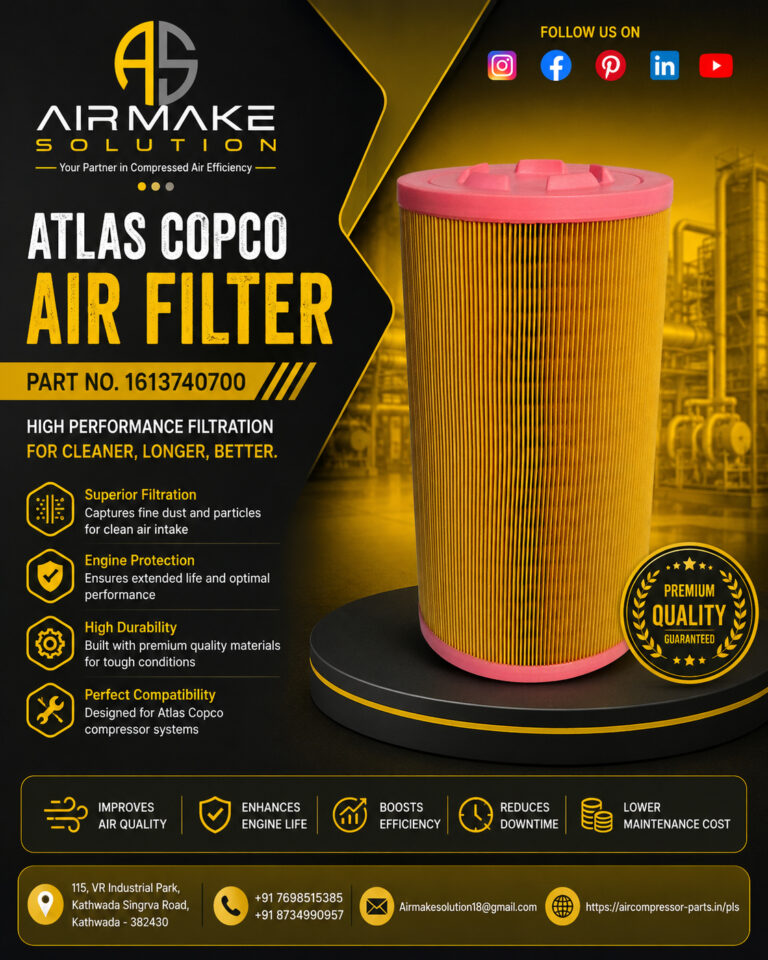
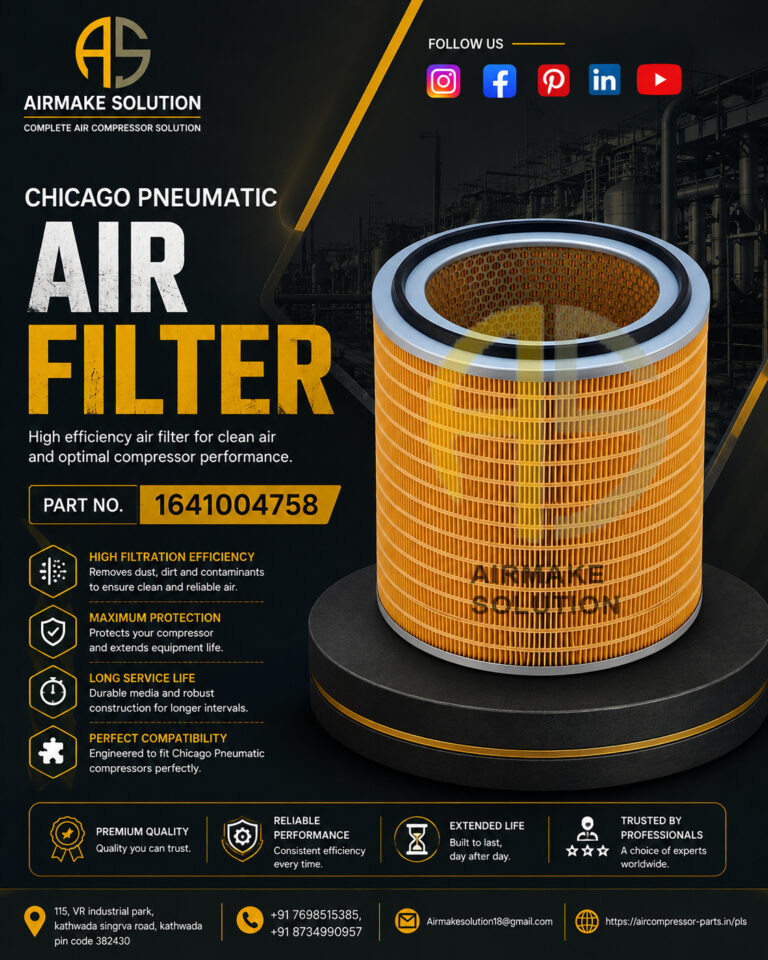
Replace the Air Filter
A clean air filter prevents dust from entering the compressor.
Change Compressor Oil
Always use manufacturer-recommended compressor oil.
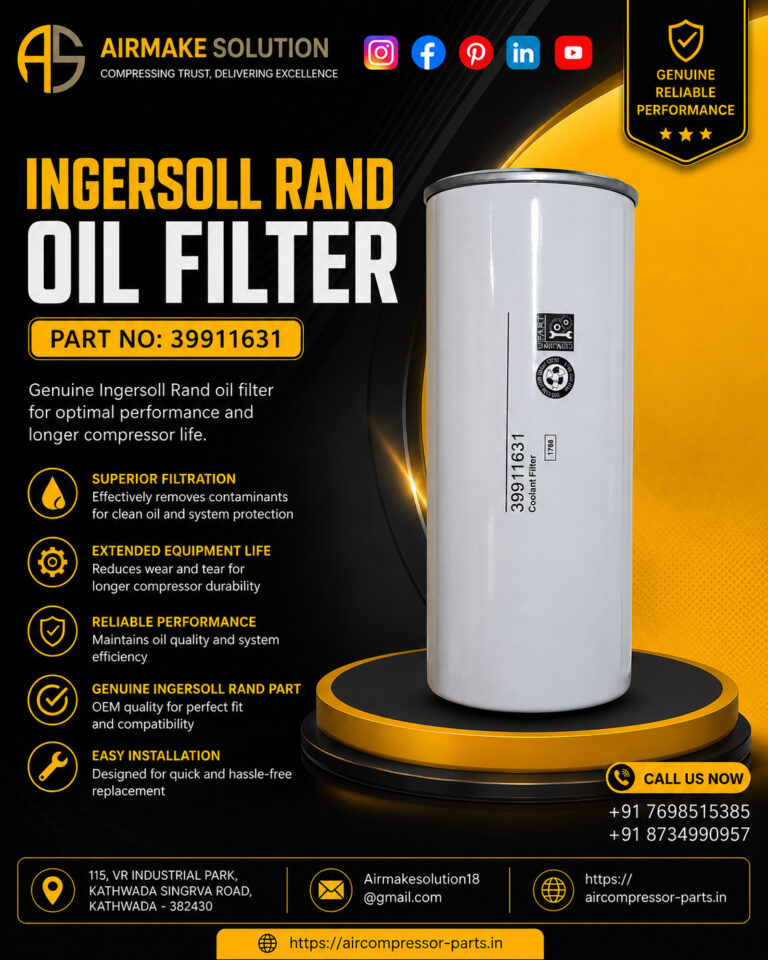
Replace the Oil Filter
Clean oil improves separator efficiency.
Inspect the Oil Separator
Monitor pressure drop and replace the separator at recommended intervals.
Clean Coolers
Dust-free coolers maintain proper operating temperatures.
Check the Oil Return Line
Ensure recovered oil flows freely back to the lubrication system.
Monitor Operating Pressure
Avoid excessive pressure settings that increase separator stress.
Follow Preventive Maintenance
Routine inspections help avoid costly breakdowns.
Choosing the Right Oil Separator
When selecting an oil separator, consider:
- OEM compatibility
- High-efficiency glass fiber media
- Low pressure drop
- High dirt-holding capacity
- Temperature resistance
- Long service life
- Corrosion-resistant construction
- Reliable manufacturer support
Choosing a premium-quality separator ensures consistent performance and lower operating costs.
Why OEM-Quality Oil Separators Are Better
OEM-quality oil separators provide several advantages over low-cost alternatives.
Better Filtration Efficiency
Premium media captures finer oil particles.
Lower Pressure Drop
Reduces compressor energy consumption.
Longer Service Life
Durable materials withstand continuous industrial operation.
Improved Oil Recovery
Minimizes oil consumption and reduces operating costs.
Reliable Fit
OEM specifications ensure easy installation and dependable sealing.
Enhanced Compressor Protection
Protects internal components from excessive wear.
Why Choose Airmake Solution?
Airmake Solution offers high-quality compressor spare parts designed to improve reliability and performance.
Our product range includes:
- Air Oil Separators
- Air Filters
- Oil Filters
- Compressor Oil
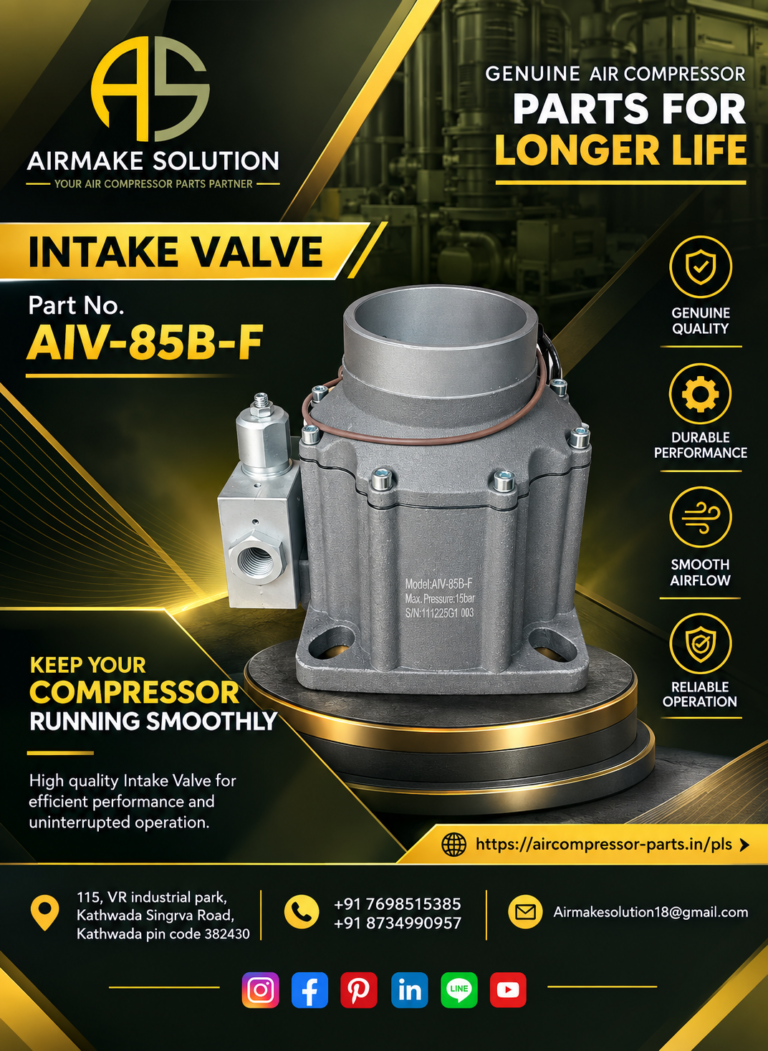
- Intake Valves
- Pressure Sensors
- Temperature Sensors
- Cooling Fans
- Hose Assemblies
- Couplings
- Maintenance Kits
Why Customers Trust Us
- OEM-quality products
- Competitive pricing
- Fast delivery across India
- Experienced technical support
- Strict quality inspection
- Ready stock availability
- Reliable customer service
- Long-lasting industrial solutions
Conclusion
Oil separators are essential for maintaining high-quality compressed air and ensuring the long-term performance of screw air compressors. By efficiently removing oil from the compressed air stream, they reduce oil carryover, improve energy efficiency, protect downstream equipment, and extend compressor life.
Investing in a premium oil separator and following a preventive maintenance schedule can significantly reduce operating costs while improving system reliability and productivity. Whether your business operates in manufacturing, pharmaceuticals, food processing, automotive, textiles, or engineering, clean compressed air is the foundation of efficient and reliable operations.
Choosing OEM-quality oil separators from a trusted supplier helps safeguard your compressor investment and ensures consistent performance for years to come.