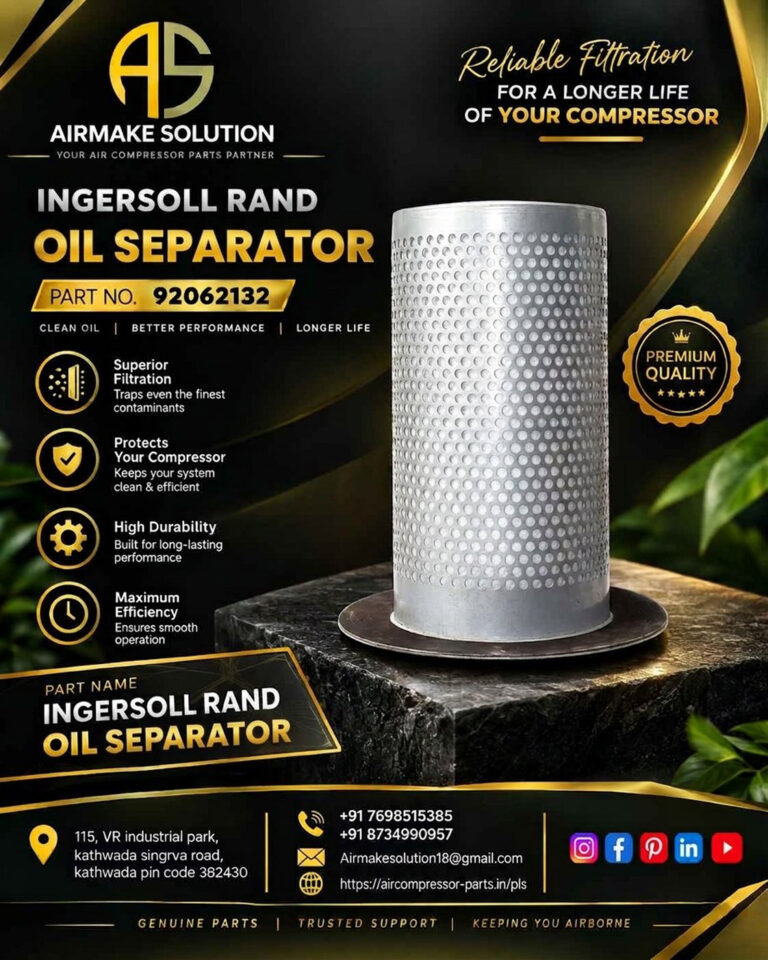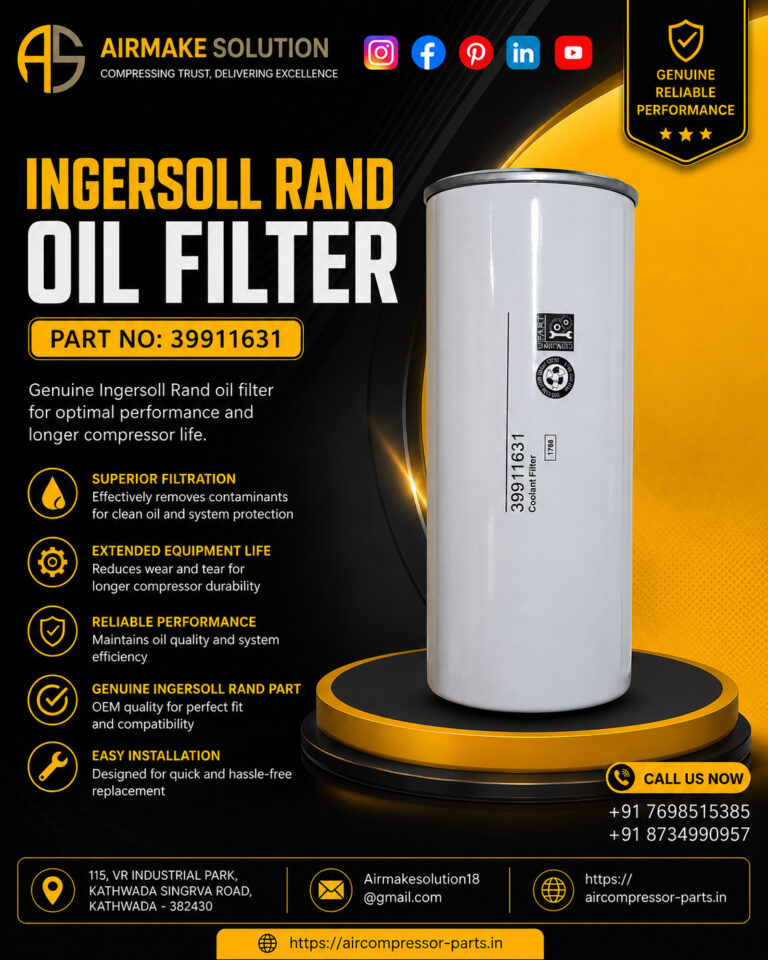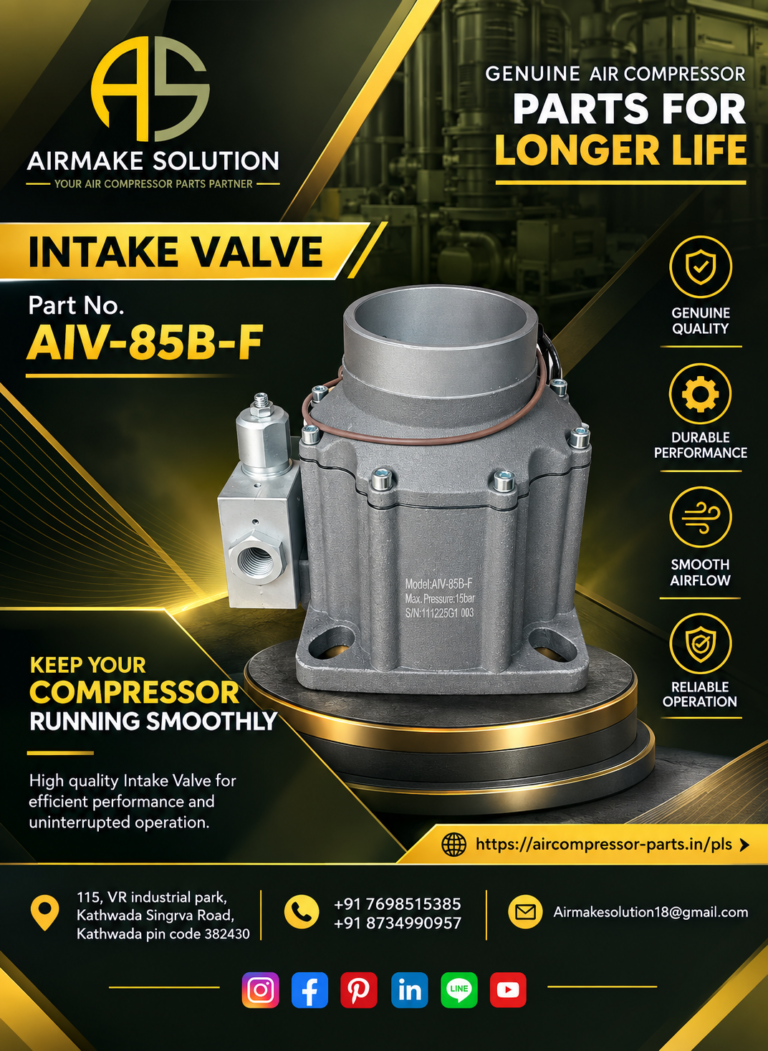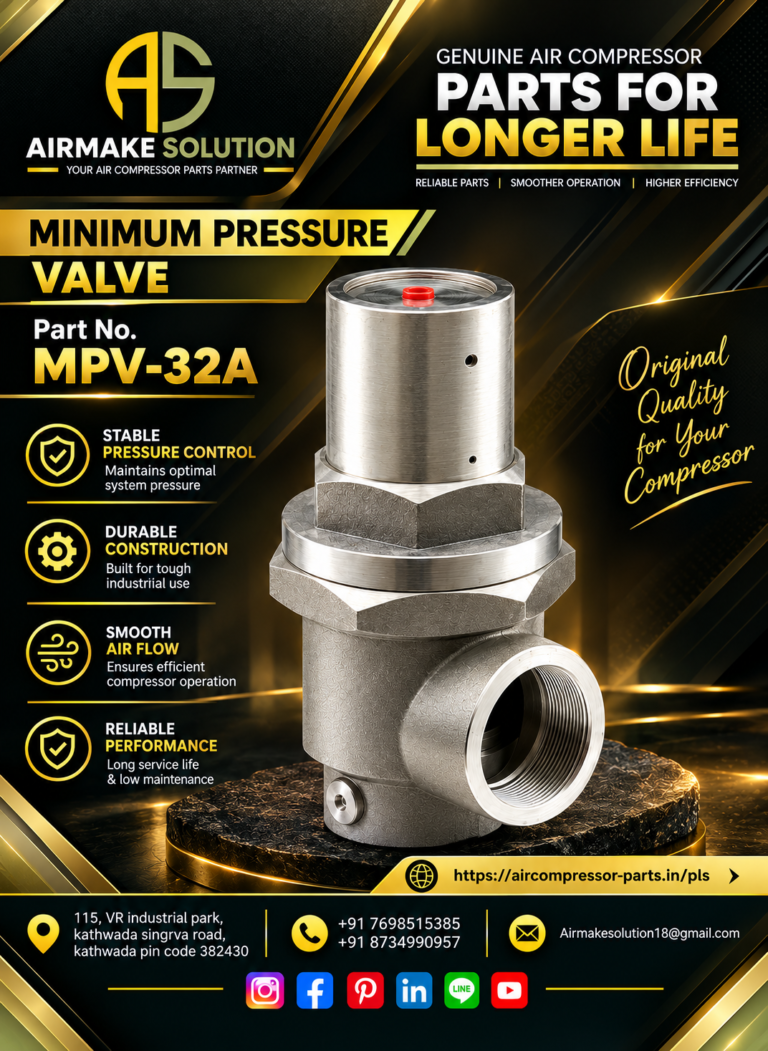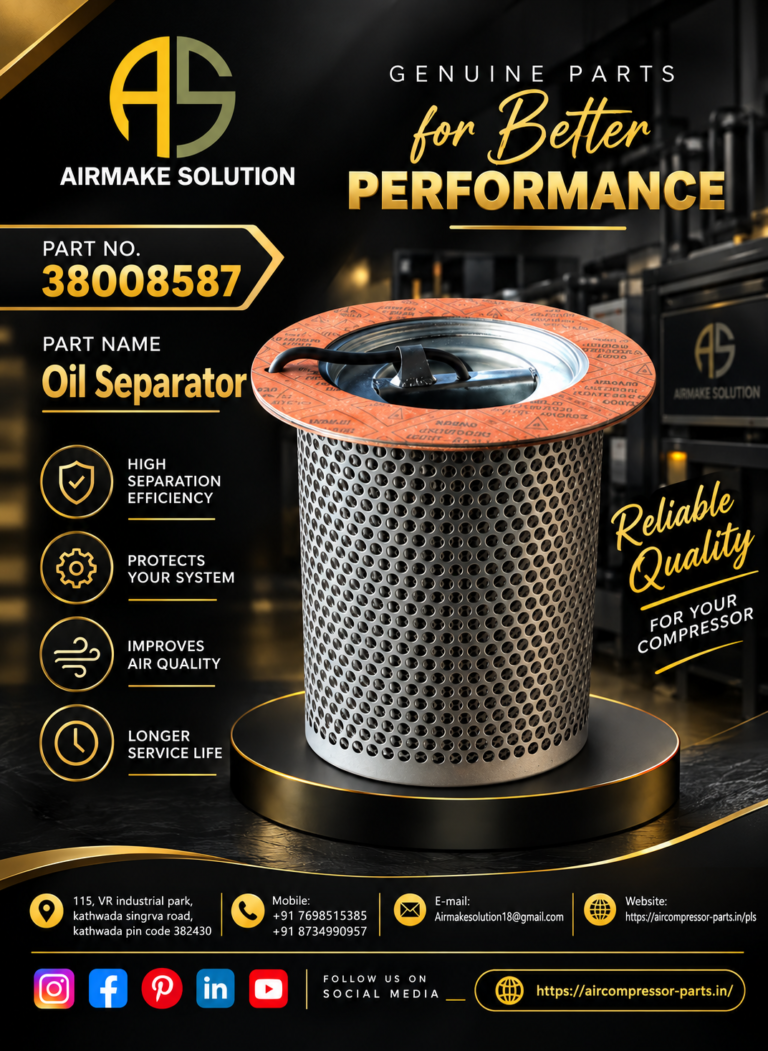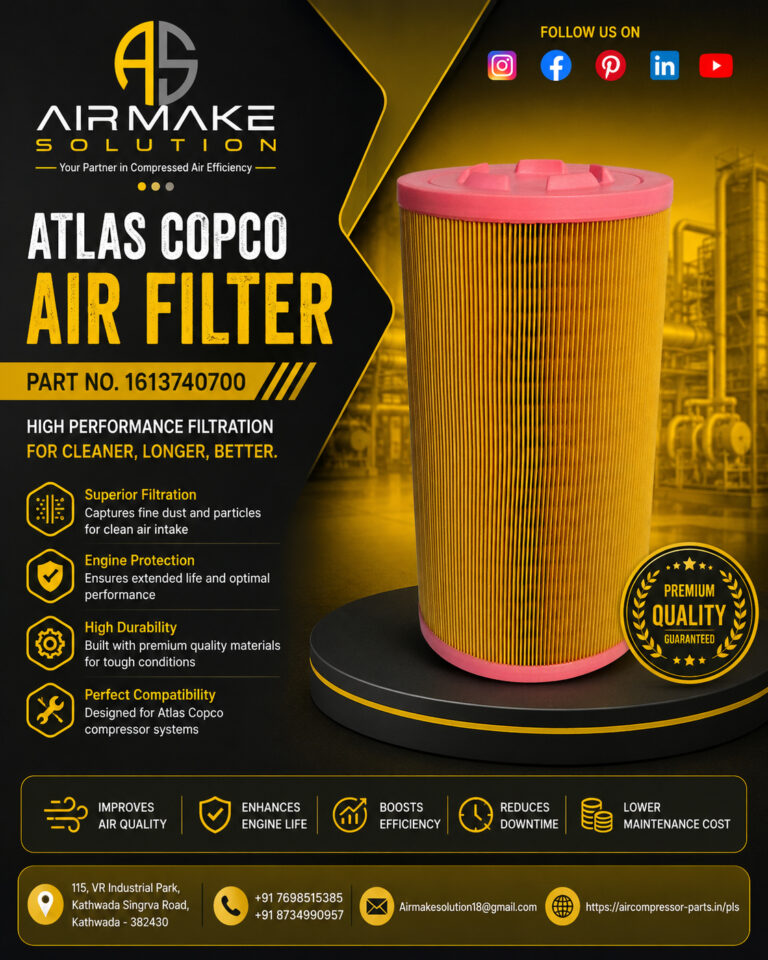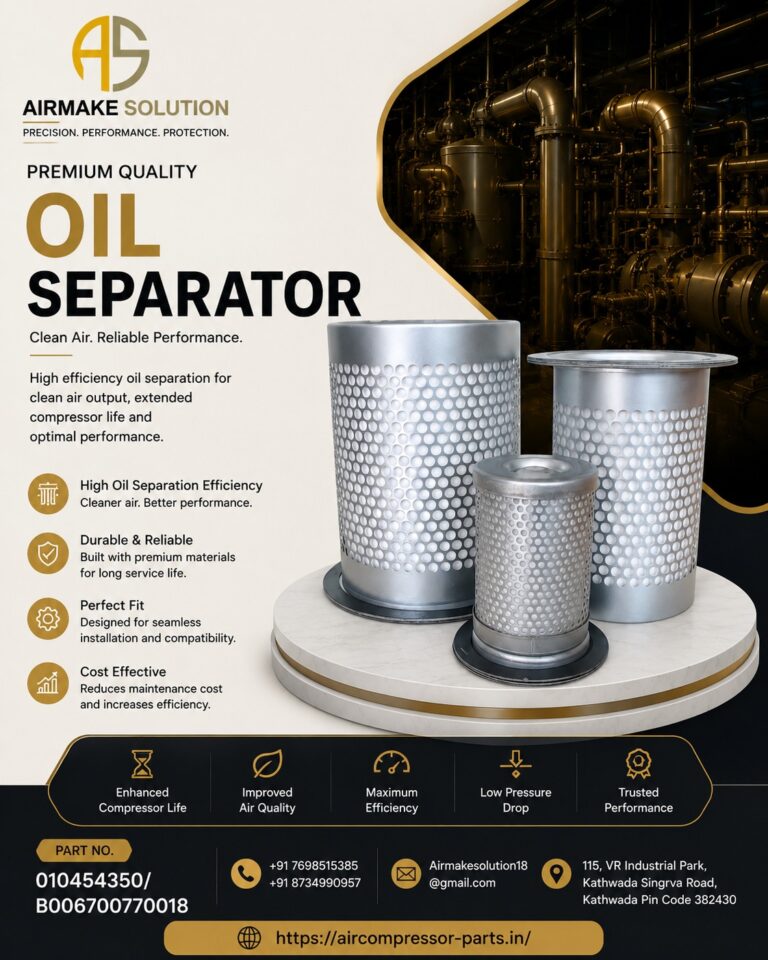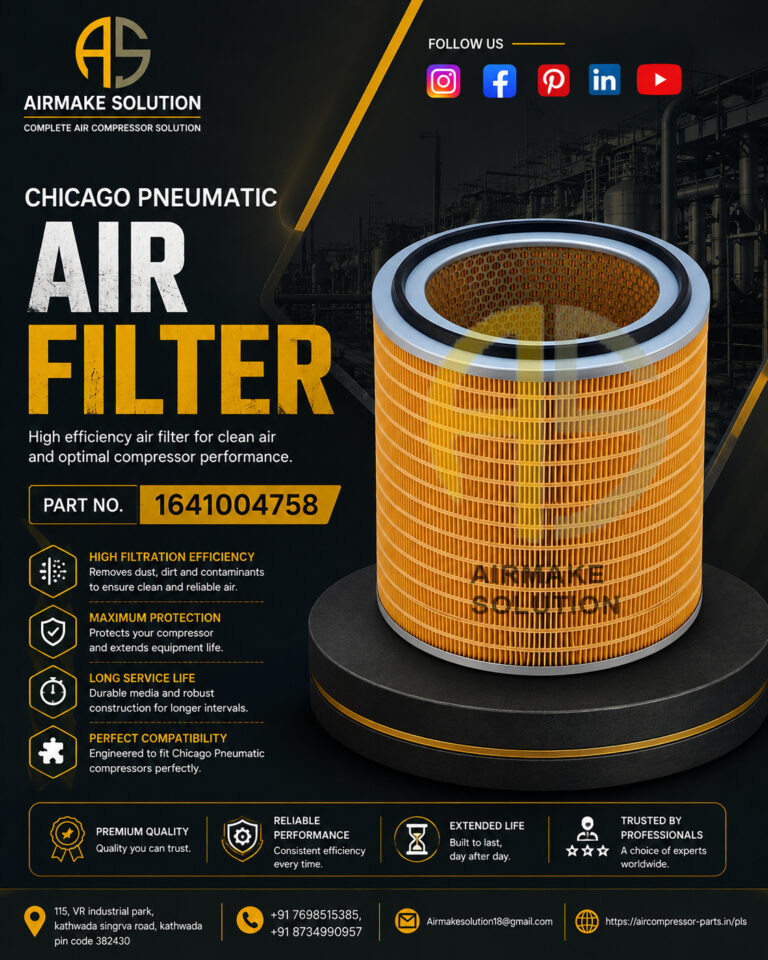
A reliable oil separator plays a critical role in every oil-injected screw compressor. It separates oil from compressed air and helps return the recovered oil to the compressor’s lubrication system. When the oil separator performs efficiently, the compressor can maintain cleaner compressed air, control oil carryover, support efficient operation, and protect downstream equipment.
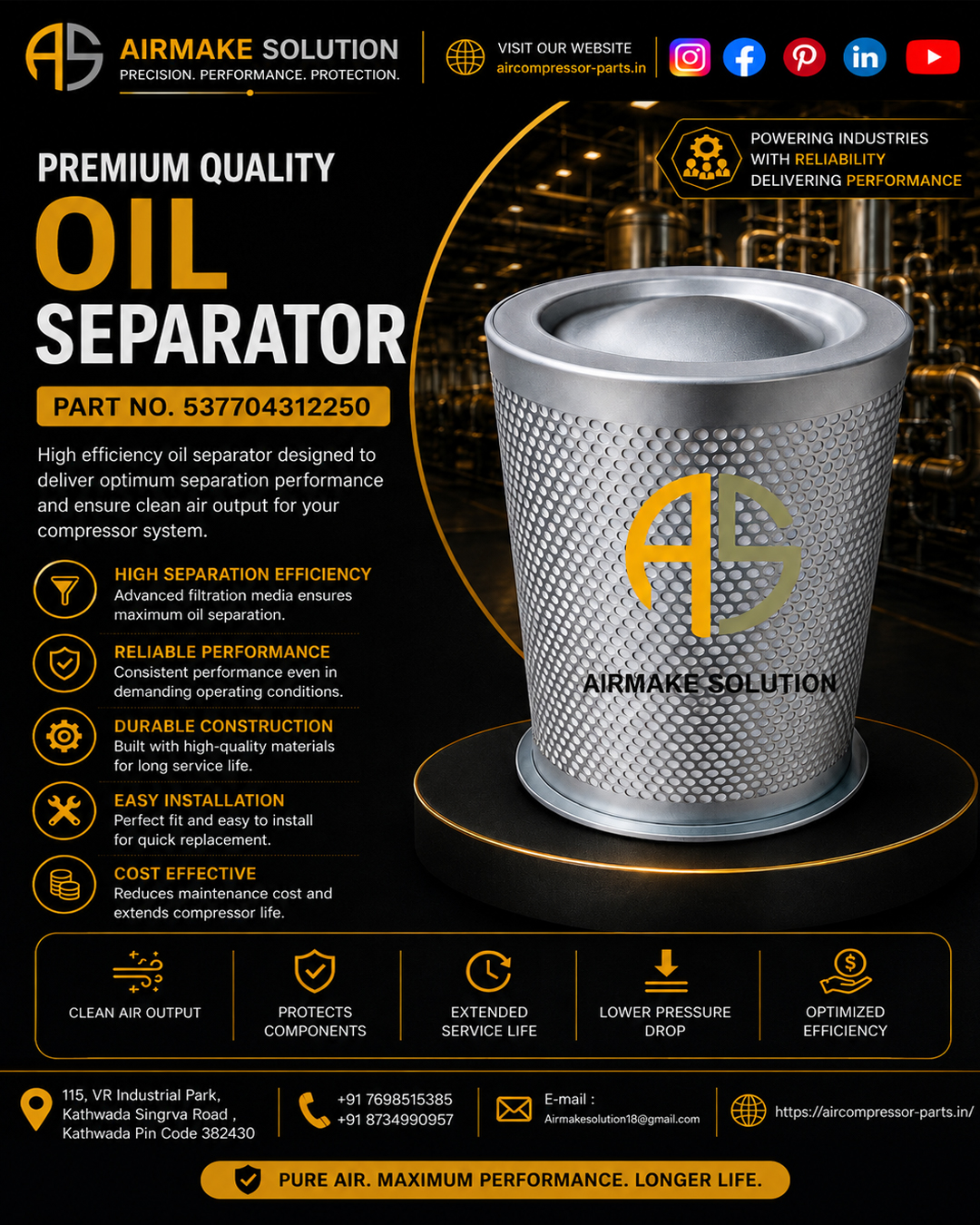
The Premium Quality Oil Separator 537704312250 provides a practical replacement solution for compatible industrial screw compressors. This blog explains how an oil separator works, why quality matters, how to identify replacement requirements, and how proper maintenance can support compressor performance and service life.
What Is an Oil Separator 537704312250?
The Oil Separator 537704312250 is a compressor component designed to separate lubricating oil from compressed air in an oil-injected screw compressor.
During compression, the compressor mixes air with oil. The oil lubricates and cools the compression process, while the compressed air continues toward the outlet. Before the air leaves the compressor, the separator removes most of the oil from the air stream.
The separated oil returns to the compressor’s oil circuit, while the cleaner compressed air moves toward the air receiver, dryer, filters, and downstream equipment.
A high-quality oil separator therefore supports both compressed-air quality and compressor efficiency.
How Does an Oil Separator Work?
An oil separator uses a combination of mechanical separation and specialized filtration media to remove oil from compressed air.
The compression process creates an air-and-oil mixture. This mixture enters the separator vessel, where the separator reduces the amount of oil carried with the compressed air.
The separator media captures fine oil droplets and allows the oil to collect and return to the lubrication circuit. The cleaned air then exits the separator and continues through the compressed-air system.
This continuous separation process allows the compressor to reuse recovered oil while reducing oil carryover.
Why Choose a Premium Quality Oil Separator?
Oil separator quality directly affects compressor performance. A low-quality or unsuitable separator can increase oil carryover, pressure drop, operating costs, and maintenance requirements.
The Premium Quality Oil Separator 537704312250 can help support reliable compressor operation when it matches the equipment’s technical requirements.
A quality separator should provide:
- Effective oil separation
- Consistent filtration performance
- Suitable pressure resistance
- Reliable sealing
- Low and stable pressure drop
- Durable construction
- Proper compatibility with the compressor
- Consistent performance throughout the service interval
Choosing the correct separator helps maintenance teams maintain the compressor’s intended operating conditions.
Reduce Oil Carryover
One of the main functions of an oil separator involves reducing oil carryover into the compressed-air outlet.
Excessive oil carryover can create several problems. Oil can accumulate in downstream filters, dryers, air receivers, pneumatic equipment, and production machinery. In applications that require clean compressed air, excessive oil contamination can also affect product quality.
A properly functioning separator captures oil efficiently and helps return recovered oil to the compressor.
The 537704312250 Oil Separator can therefore play an important role in maintaining cleaner compressed air when installed in a compatible system.
Protect Downstream Equipment
Compressed-air systems often supply sensitive pneumatic equipment and production machinery. Contamination can affect valves, cylinders, tools, instrumentation, and other components.
Oil carryover can also increase the workload on downstream filtration and air-treatment equipment.
A properly maintained oil separator reduces the amount of oil leaving the compressor. This helps the downstream air-treatment system work more effectively and supports cleaner air throughout the compressed-air network.
Businesses can therefore use proper separator maintenance as part of a broader compressed-air quality strategy.
Support Compressor Efficiency
The compressor consumes significant electrical energy during operation. Even small changes in operating efficiency can influence long-term energy costs.
An oil separator affects compressor performance through filtration efficiency and pressure drop. When the separator becomes heavily loaded or clogged, the compressor may need to work against increased resistance.
A suitable replacement separator helps maintain appropriate airflow and pressure conditions.
For this reason, replacing the oil separator at the recommended service interval can support efficient compressor operation and help prevent unnecessary energy consumption.
Maintain Proper Oil Recovery
Oil recovery forms another important part of separator operation.
After the separator captures oil from the compressed-air stream, the recovered oil should return to the compressor’s oil circuit through the appropriate oil return system.
If oil recovery does not work correctly, the compressor may experience excessive oil consumption or other lubrication-related issues.
Maintenance teams should therefore inspect the separator, oil return line, scavenge system, and related components during scheduled servicing.
Recognize the Signs of a Worn Oil Separator
A separator does not always fail suddenly. Several performance changes can indicate that the component requires inspection or replacement.
Common warning signs include:
Increased Oil Consumption
If the compressor begins consuming more oil than normal, inspect the oil separator and oil return system.
Excessive Oil Carryover
Visible or measurable oil contamination in downstream compressed air can indicate separator deterioration or another system problem.
Increased Pressure Drop
A restricted separator can create higher pressure differential across the component.
Frequent Separator Alarms
Some compressor control systems monitor separator pressure differential and may generate maintenance warnings when the separator reaches a specified condition.
Reduced Compressor Efficiency
Higher resistance across a loaded separator can contribute to increased operating costs.
Maintenance teams should investigate these symptoms rather than assuming that the separator alone caused the problem.
Replace the Oil Separator at the Right Time
Replacing an oil separator too early can increase maintenance costs, while replacing it too late can negatively affect compressor performance.
The best approach combines the manufacturer’s recommended service interval with actual operating conditions.
Heavy-duty environments may expose the compressor to higher levels of dust, temperature, humidity, or operating hours. These conditions can influence component life.
Operators should monitor:
- Operating hours
- Separator pressure differential
- Oil consumption
- Compressed-air quality
- Compressor performance
- Maintenance history
- Manufacturer recommendations
This information helps maintenance teams determine an appropriate replacement schedule.
Install 537704312250 Correctly
Correct installation helps the oil separator deliver reliable performance.
Before replacing the separator, technicians should shut down the compressor and follow the manufacturer’s safety procedures. They should isolate the electrical supply and safely release stored pressure.
During installation, technicians should inspect the separator housing, seals, connections, oil return system, and related components.
A typical replacement procedure includes:
- Shut down the compressor.
- Isolate the electrical supply.
- Release stored pressure safely.
- Allow the system to cool if necessary.
- Remove the existing separator.
- Inspect the separator housing and sealing surfaces.
- Replace damaged seals as required.
- Install the new separator correctly.
- Check the oil return system.
- Reassemble the system.
- Start the compressor under controlled conditions.
- Check for leaks and abnormal pressure conditions.
Always follow the applicable equipment manufacturer’s service instructions.
Avoid Common Oil Separator Maintenance Mistakes
Maintenance teams can extend separator performance by avoiding several common mistakes.
Do Not Ignore Pressure Differential
A rising pressure differential can indicate separator restriction. Monitor the compressor’s available pressure readings and alarms.
Do Not Install an Incorrect Separator
A separator that looks similar may not have the correct dimensions, filtration characteristics, pressure rating, or sealing arrangement.
Do Not Reuse Damaged Seals
Damaged sealing components can create leaks and reduce separator performance.
Do Not Ignore the Oil Return System
A restricted or damaged oil return line can create excessive oil carryover or oil consumption even when the separator itself remains in good condition.
Do Not Delay Maintenance
Operating with a heavily restricted or deteriorated separator can increase compressor operating costs.
Choose Compatibility Over Appearance
When purchasing an Oil Separator 537704312250, buyers should verify compatibility before installation.
Check the:
- Part number
- Compressor manufacturer
- Compressor model
- Compressor serial number
- Separator dimensions
- Connection arrangement
- Operating pressure
- Temperature range
- Seal configuration
- Application requirements
A correct part-number match provides a better starting point for compatibility, but equipment-specific verification remains important.
Use Oil Separators for Preventive Maintenance
Preventive maintenance helps businesses avoid unexpected compressor downtime.
A maintenance program should include regular inspection of the oil separator and related components. Technicians should record separator replacement dates, operating hours, pressure differential, oil consumption, and other relevant measurements.
This information allows maintenance teams to identify trends and plan replacement work before the separator causes a significant operating problem.
Planned maintenance also allows companies to schedule compressor servicing during convenient production windows.
Extend Compressor Service Life
Proper oil separation supports the compressor’s lubrication system. Efficient oil recovery helps maintain the required oil supply for the air end and other lubricated components.
By maintaining the separator, oil filters, air filters, lubricant, and oil return system, operators can help maintain the overall condition of the compressor.
A well-maintained compressor can deliver more consistent performance and reduce the likelihood of avoidable component failures.
Improve Compressed-Air Quality
Many industrial processes require reliable compressed-air quality. Contaminated compressed air can create problems in manufacturing, painting, packaging, electronics, food processing, pharmaceuticals, and other applications.
The oil separator provides the first important stage of oil removal within an oil-injected compressor.
However, the separator should not be considered the only component responsible for final air quality. Downstream dryers, particulate filters, coalescing filters, and other treatment equipment may also be required depending on the application.
Selecting and maintaining the complete air-treatment system helps achieve the required compressed-air quality.
Why Buy From Airmake Solution?
Airmake Solution supplies air compressor parts and maintenance components for industrial compressed-air applications.
The product range includes oil separators, oil filters, air filters, intake valves, service kits, sensors, valves, and other compressor components.
When purchasing the Premium Quality Oil Separator 537704312250, customers can provide their compressor model, existing separator details, and part number to help confirm the correct application.
Airmake Solution focuses on providing practical compressor-part solutions for maintenance teams, service technicians, and industrial users.
Order Premium Quality Oil Separator 537704312250
The Premium Quality Oil Separator 537704312250 provides an important replacement solution for compatible oil-injected screw compressor systems.
A properly functioning oil separator helps:
- Reduce oil carryover
- Maintain cleaner compressed air
- Support oil recovery
- Protect downstream equipment
- Maintain compressor efficiency
- Reduce unnecessary pressure losses
- Support preventive maintenance
- Improve overall compressor reliability
For the best results, always verify the part number and compressor compatibility before purchasing or installing the separator.
If you need the 537704312250 Oil Separator, contact Airmake Solution for availability and compatibility assistance.