
- Home
- Intake valve Air Compressor
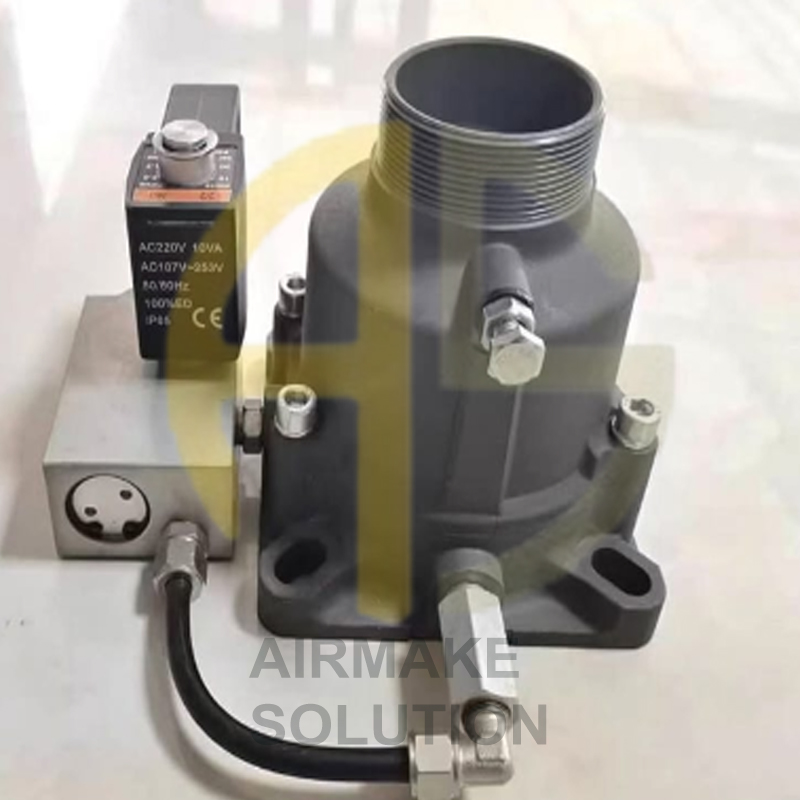
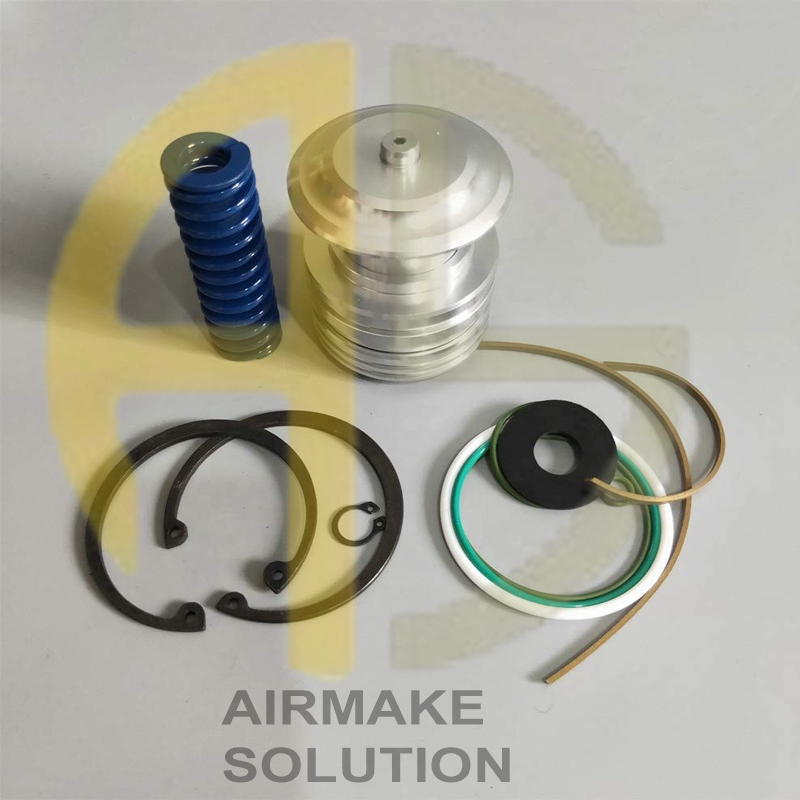
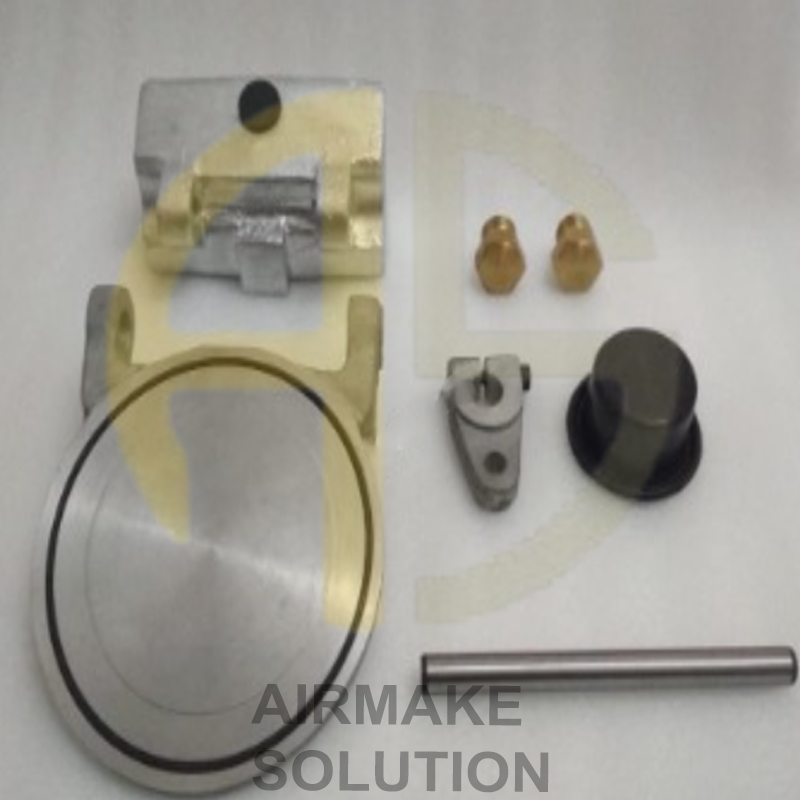
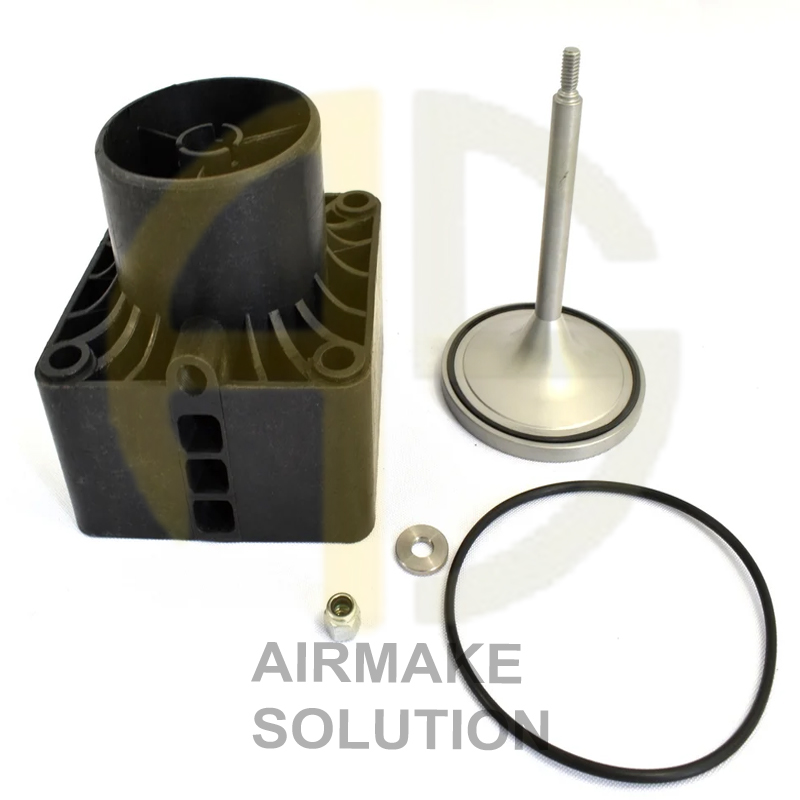
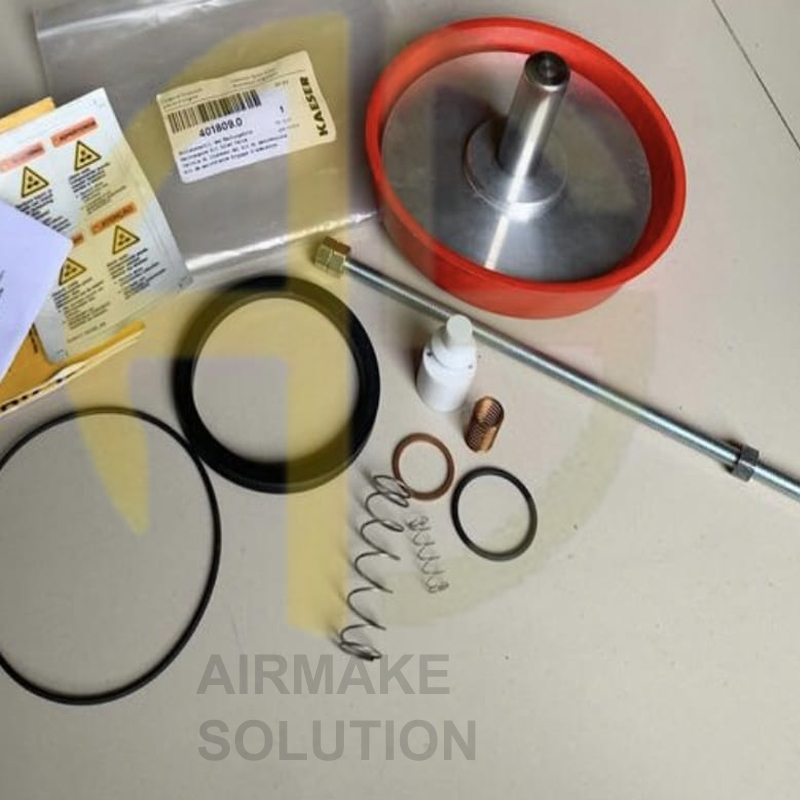
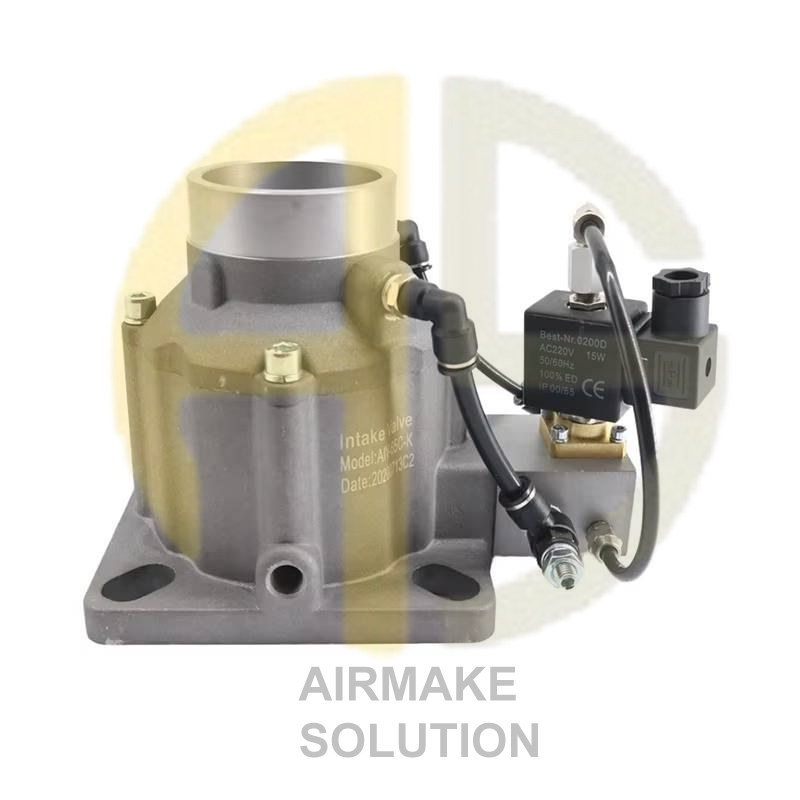
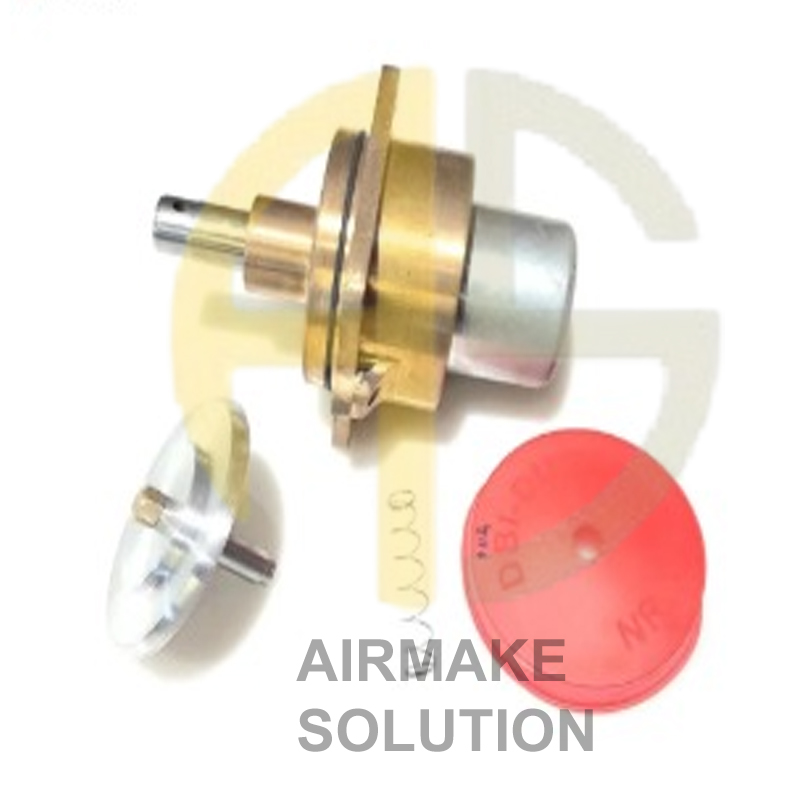
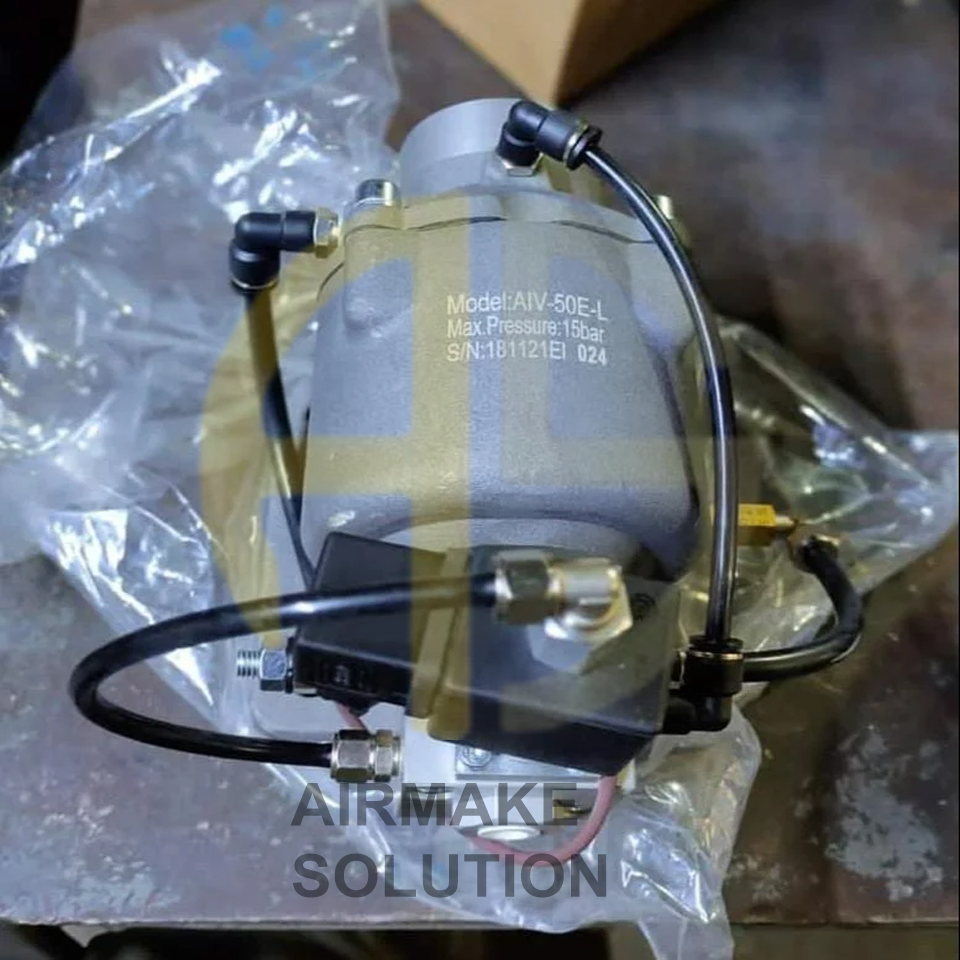
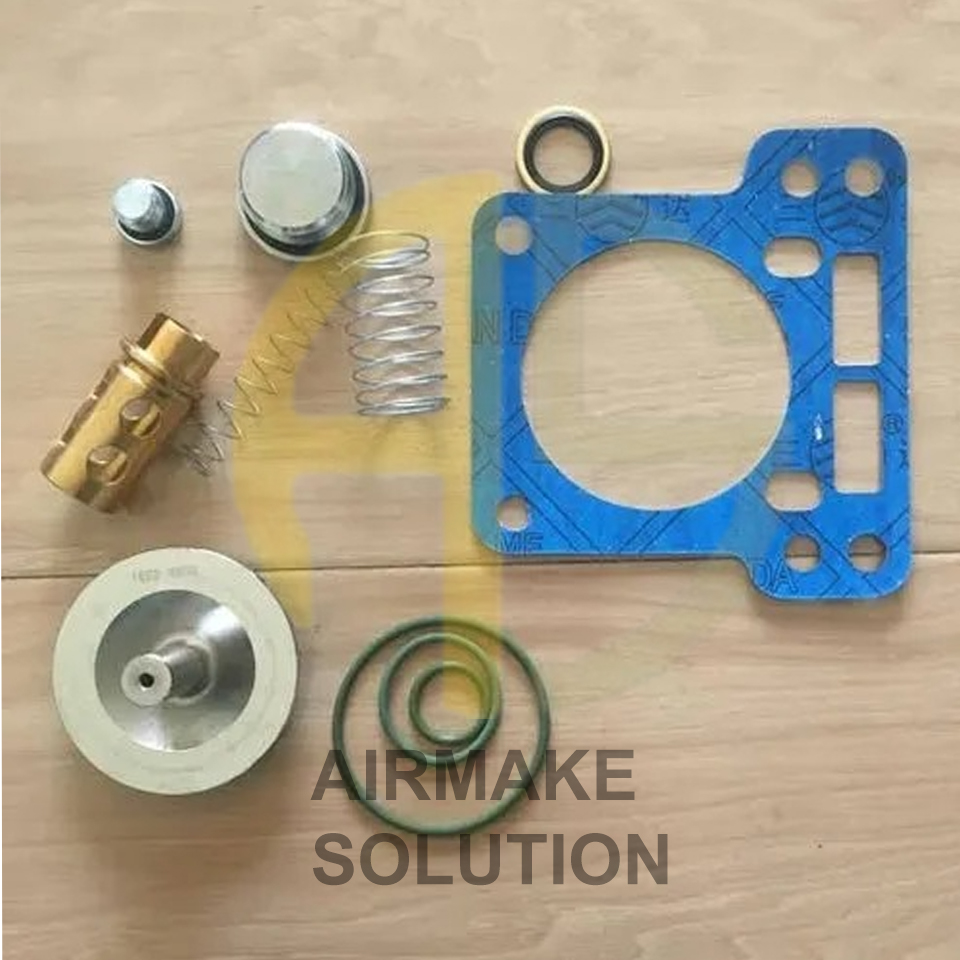
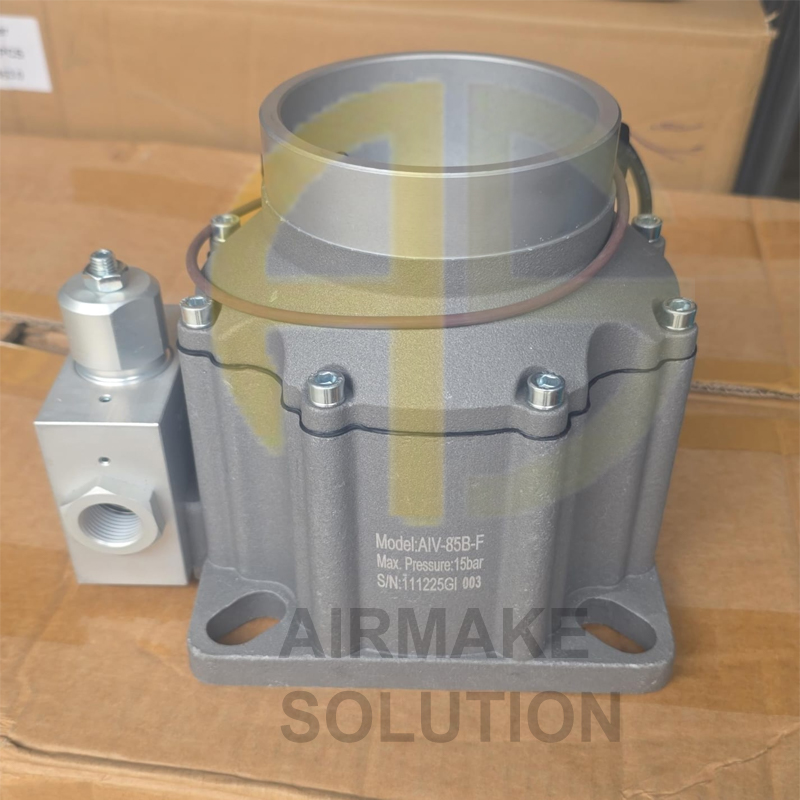
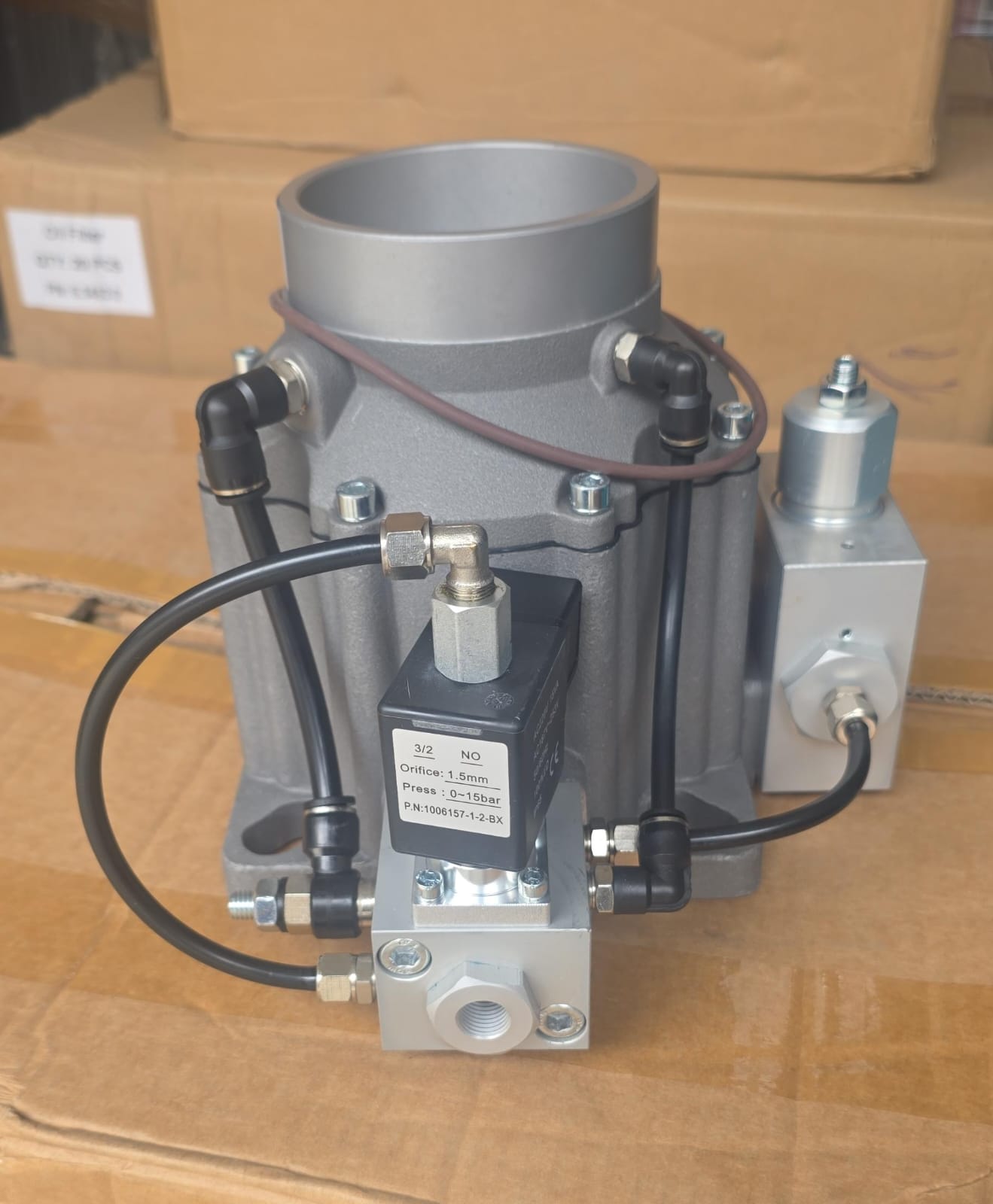
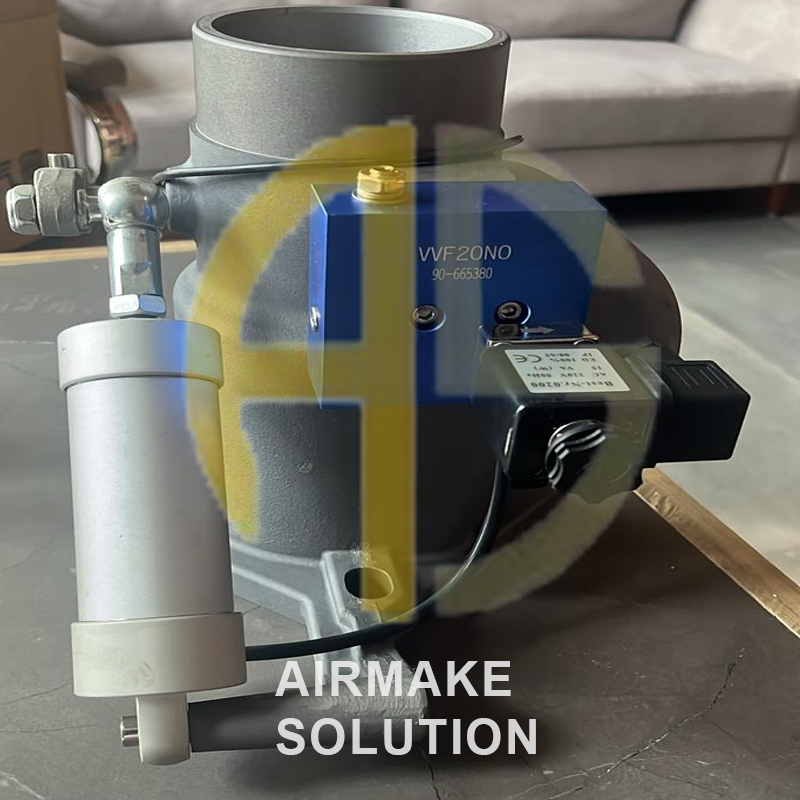
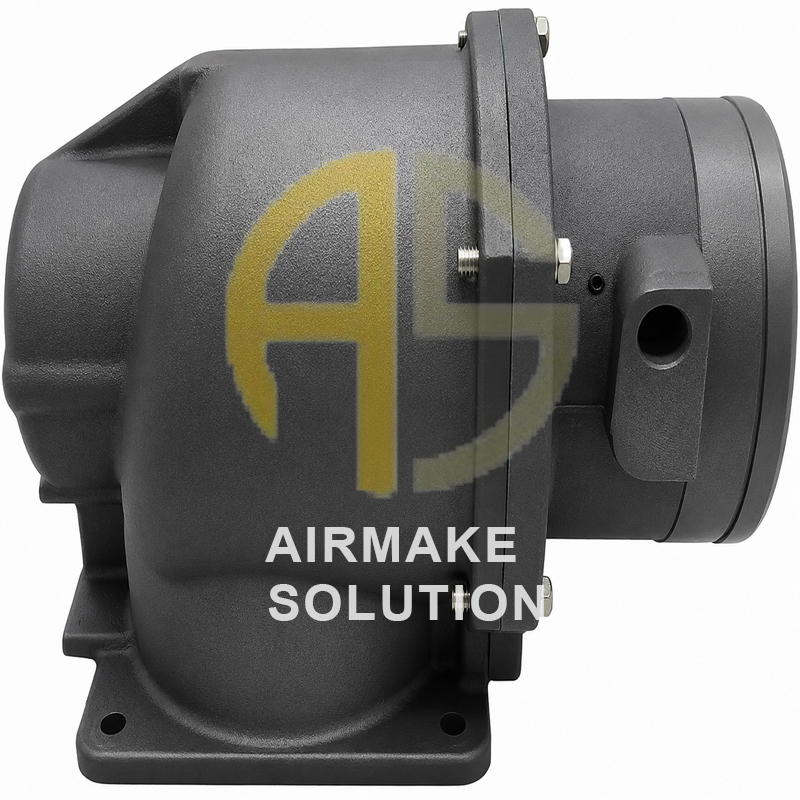
- 30HP JIV 50B Intake valve assembly
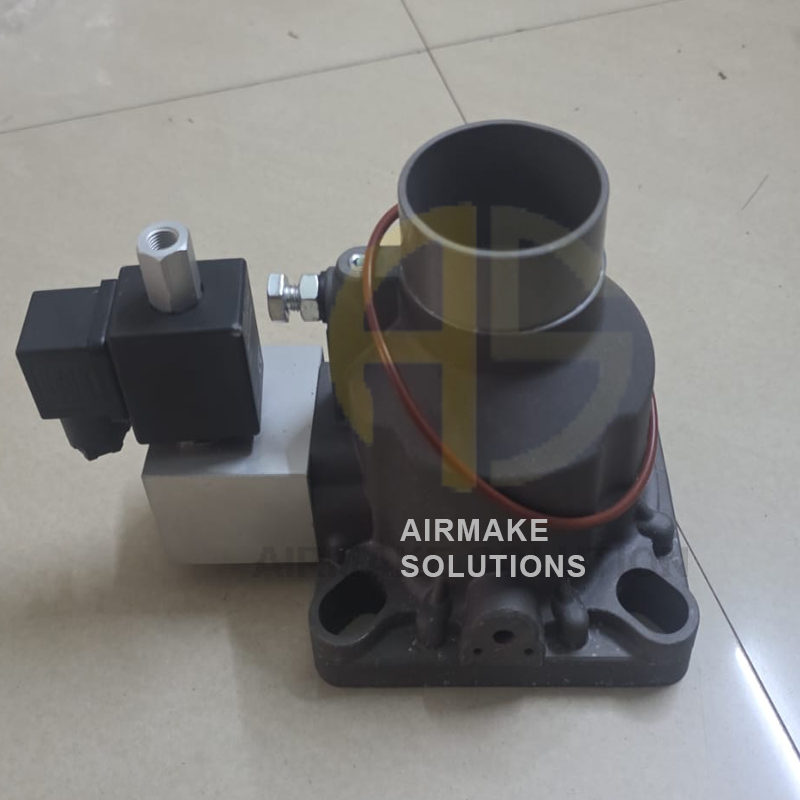
30HP JIV 50B Intake valve assembly
The 30HP JIV 50B Intake Valve Assembly controls the airflow entering a compatible 30HP screw air compressor. It supports smooth compressor starting, loading and unloading, capacity control, and stable inlet-air management. A properly functioning intake valve helps maintain reliable compressor operation and can reduce problems caused by uncontrolled or restricted airflow.
30HP JIV 50B Intake Valve Assembly: Reliable Compressor Airflow Control
The 30HP JIV 50B Intake Valve Assembly performs an important function in compatible screw air compressor systems. It controls the amount of air entering the compressor and helps the machine respond to changing compressed-air demand.
A screw compressor requires controlled inlet airflow to operate efficiently and reliably. During startup, loading, unloading, and shutdown, the intake valve works with the compressor’s control system to regulate suction airflow. If the valve operates correctly, the compressor can maintain more stable operating conditions and respond appropriately to changes in air demand.
For industrial facilities that rely on compressed air for manufacturing, pneumatic equipment, automation, and production processes, maintaining the intake valve can help reduce unexpected operating problems and support dependable compressor performance.
Control Compressor Inlet Airflow
The primary function of the JIV 50B Intake Valve Assembly is to control airflow at the compressor inlet.
The valve regulates the amount of atmospheric air entering the compression element. When the compressor needs to produce compressed air, the valve allows the required airflow into the system. When the compressor unloads, the valve changes its operating position to reduce or control the inlet flow.
This process helps the compressor match its operation to the compressed-air requirement.
Proper airflow control also helps prevent the compressor from operating under unnecessary inlet conditions.
Support 30HP Screw Compressor Performance
The 30HP JIV 50B intake valve is intended for compatible compressor applications. A correctly matched valve helps the compressor maintain controlled suction airflow during normal operation.
A reliable intake valve can support:
- Stable compressor operation
- Controlled inlet airflow
- Smooth loading and unloading
- Reliable startup
- Better capacity management
- Reduced risk of airflow-related problems
- Consistent compressed-air production
The intake valve works together with other compressor components, so technicians should inspect the complete control system when troubleshooting performance issues.
Manage Loading and Unloading
Loading and unloading represent important stages in screw compressor operation.
When the compressor loads, it supplies compressed air to the system. When the required pressure is reached, the compressor may unload to reduce unnecessary compression.
The intake valve helps manage these operating transitions by controlling the airflow entering the compression element.
A properly functioning JIV 50B can help the compressor move between operating conditions according to the control system’s requirements.
If the valve becomes stuck, contaminated, worn, or damaged, the compressor may experience improper loading or unloading behavior.
Support Smooth Compressor Starting
The intake valve also contributes to the compressor startup process.
During startup, the compressor control system may require controlled inlet airflow before the machine reaches its normal operating condition. The intake valve helps regulate this airflow according to the compressor’s control strategy.
Proper inlet control during startup can help prevent unnecessary load on the motor and compression system.
If the intake valve does not move correctly, the compressor may experience difficult starting, abnormal pressure development, or repeated startup-related alarms.
Respond to Changing Air Demand
Industrial compressed-air demand rarely remains constant. Production machines may start and stop throughout the day, creating changes in air consumption.
The intake valve helps the compressor respond to these changes by controlling the amount of air entering the compression element.
For example, when air demand increases, the compressor may require greater airflow. When demand decreases, the control system can reduce inlet airflow and adjust compressor operation.
This type of control helps the compressor operate according to system requirements rather than continuously producing maximum output.
Maintain Stable Compressor Operation
A stable inlet-air supply helps the compressor maintain consistent operating conditions.
The 30HP JIV 50B Intake Valve Assembly works as part of the compressor’s overall control system. Its operation can influence how the compressor responds to pressure changes and load requirements.
When the valve operates correctly, it supports predictable compressor behavior.
Maintenance teams should therefore include the intake valve in routine compressor inspections, particularly when they notice changes in loading, unloading, pressure, or airflow.
Protect the Compressor During Unloading and Shutdown
Controlled inlet airflow also matters when the compressor unloads or shuts down.
The intake valve can restrict or control airflow during these operating stages, depending on the compressor’s control design.
Proper operation helps the compressor transition between operating states in a controlled manner.
If the valve remains incorrectly positioned, the compressor may experience abnormal airflow or pressure behavior.
Technicians should inspect the valve whenever the compressor develops unusual shutdown, unloading, or pressure-related symptoms.
Recognize Common Intake Valve Problems
A malfunctioning intake valve can affect compressor operation in several ways.
Maintenance teams should investigate the intake valve when they observe:
- Difficult starting
- Unstable loading
- Improper unloading
- Reduced compressor capacity
- Abnormal suction behavior
- Pressure fluctuations
- Air leakage
- Unusual compressor noise
- Increased operating costs
- Repeated control alarms
These symptoms do not always indicate a failed intake valve. Problems with pneumatic lines, solenoid valves, sensors, controllers, seals, or other components can create similar symptoms.
Technicians should diagnose the complete system before replacing the valve.
Inspect the JIV 50B Regularly
Regular inspection helps identify problems before they cause significant compressor downtime.
During scheduled maintenance, technicians should examine the intake valve for signs of:
- Dirt accumulation
- Oil contamination
- Mechanical wear
- Sticking
- Damaged seals
- Air leakage
- Loose connections
- Restricted movement
- Abnormal control response
A clean and correctly operating valve can support reliable inlet-air management.
The exact inspection and replacement interval should follow the maintenance requirements of the specific compressor.
Select the Correct Replacement Assembly
Choosing the correct 30HP JIV 50B Intake Valve Assembly requires careful compatibility checking.
Do not select a valve only because the compressor has a 30HP motor. Different compressor models can use different intake-valve designs, dimensions, connections, and control systems.
Before ordering, verify:
- Compressor manufacturer
- Compressor model
- Compressor series
- Motor horsepower
- Existing intake-valve model
- JIV 50B designation
- Valve dimensions
- Mounting arrangement
- Pneumatic connections
- Control requirements
Comparing the existing component with the replacement helps reduce the risk of installing an incompatible valve.
Install the Intake Valve Correctly
Correct installation helps the valve perform reliably.
Before installation, technicians should shut down the compressor and follow appropriate isolation and safety procedures.
The technician should inspect the mounting surface and remove dirt, oil deposits, and foreign particles.
During installation, check:
- Valve orientation
- Mounting position
- Gaskets
- O-rings and seals
- Pneumatic connections
- Control lines
- Fasteners
- Associated components
After installation, operate the compressor according to the appropriate service procedure. Check the valve during startup, loading, unloading, and shutdown to confirm proper operation.
Maintain Associated Compressor Components
The intake valve does not operate independently. Its performance depends on the condition of related components.
When servicing the JIV 50B, technicians should also inspect applicable:
- Solenoid valves
- Pneumatic control lines
- Pressure sensors
- Temperature sensors
- Controller
- Air filters
- Seals
- Compressor oil
- Cooling system
A problem in one component can affect the operation of another.
A complete inspection helps technicians identify the actual source of compressor problems and avoid unnecessary component replacement.
Support Preventive Compressor Maintenance
Preventive maintenance helps industrial facilities reduce unexpected downtime.
Replacing a worn intake valve before complete failure can help maintenance teams maintain better control over compressor operation.
A planned spare-parts inventory can also reduce repair time. Facilities that depend heavily on compressed air can keep critical components available to respond quickly when maintenance becomes necessary.
The 30HP JIV 50B Intake Valve Assembly can form part of a compressor spare-parts inventory when it matches the facility’s installed equipment.
Support Efficient Compressor Operation
The intake valve contributes to compressor capacity control by regulating inlet airflow.
However, overall compressor efficiency depends on several factors, including:
- Operating pressure
- Compressor loading
- Air demand
- System leakage
- Cooling performance
- Oil condition
- Filter condition
- Compressor maintenance
- Control-system settings
Maintaining the intake valve helps ensure that one important part of the compressor control system operates correctly.
Industrial Applications
The 30HP JIV 50B Intake Valve Assembly can serve compatible screw compressor applications in industries that require dependable compressed air.
Potential applications include:
- Manufacturing plants
- Automotive industries
- Engineering workshops
- CNC machining facilities
- Packaging units
- Pneumatic production lines
- Industrial automation
- General manufacturing
- Assembly operations
- Process industries
Always confirm compatibility with the compressor before ordering.
Why Replace a Faulty Intake Valve?
A damaged or malfunctioning intake valve can interfere with compressor operation. Continuing to use a valve that does not control airflow correctly may contribute to unstable loading, reduced capacity, abnormal pressure behavior, or increased maintenance requirements.
Replacing the faulty assembly with a correctly matched JIV 50B Intake Valve can restore proper inlet-air control.
Technicians should also inspect the associated control system to identify why the original valve failed.
Order 30HP JIV 50B Intake Valve Assembly
The 30HP JIV 50B Intake Valve Assembly provides controlled inlet-air management for compatible screw air compressors. It supports important operating functions such as startup, loading, unloading, capacity regulation, and airflow control.
For replacement applications, verify the compressor model, existing valve designation, mounting dimensions, connections, and control requirements before ordering.
Selecting the correct valve helps maintenance teams restore reliable compressor operation and reduce avoidable downtime.
Conclusion
The 30HP JIV 50B Intake Valve Assembly plays an important role in controlling airflow entering a compatible screw air compressor. By managing inlet airflow during different operating conditions, the valve supports stable compressor operation and effective capacity management.
Regular inspection can help technicians identify wear, contamination, leakage, or sticking before these issues create larger problems. When replacement becomes necessary, always match the valve to the exact compressor application.
A correctly selected and properly maintained intake valve can contribute to reliable airflow control, smoother compressor operation, better maintenance planning, and reduced risk of unexpected downtime.
Reviews
There are no reviews yet.