
- Home
- Intake valve Air Compressor
- Intake valve Assembly RB60
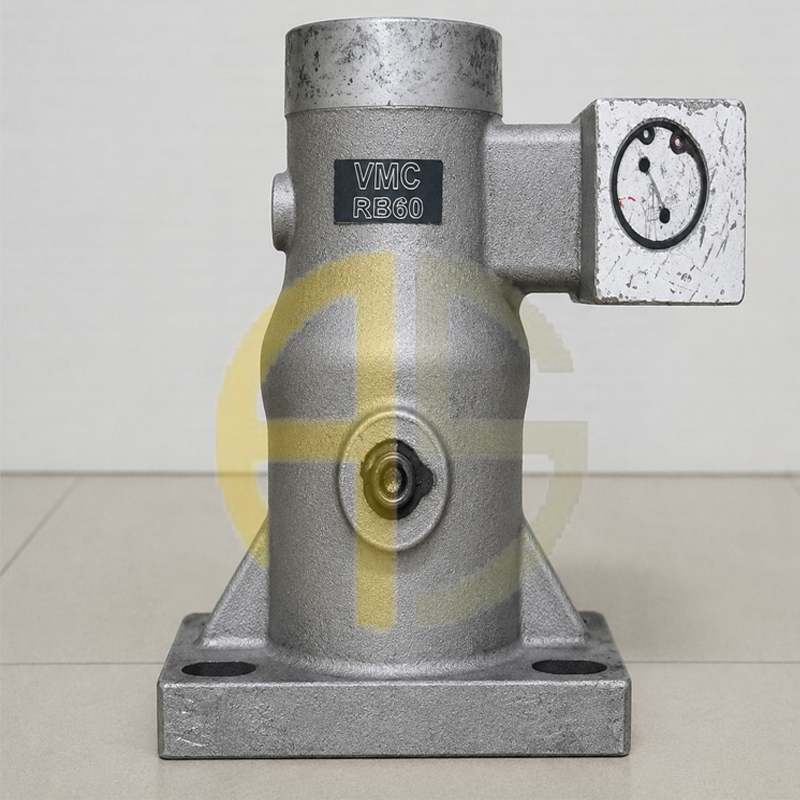
Intake valve Assembly RB60
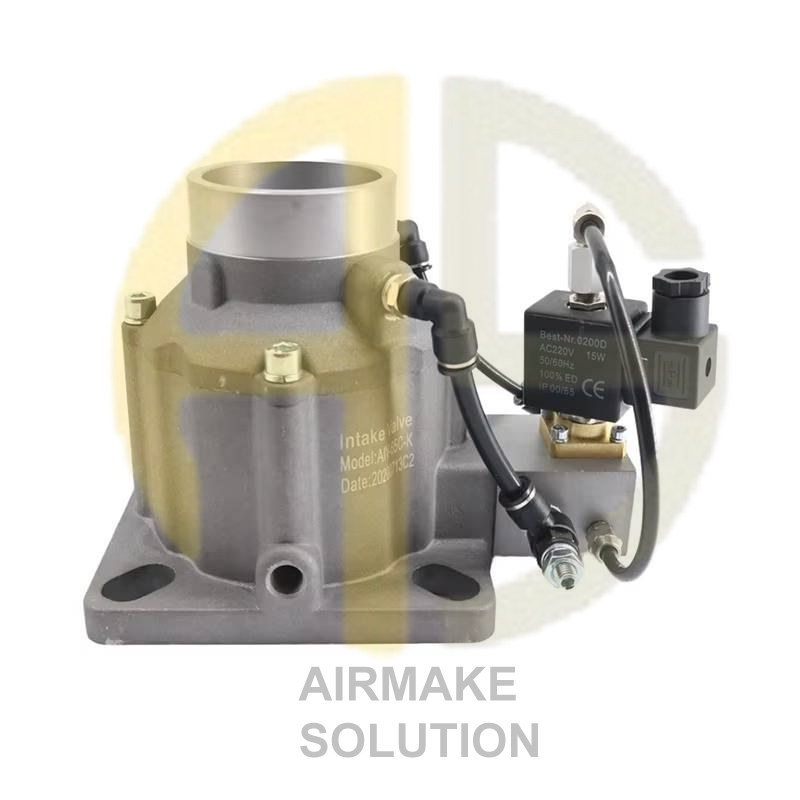
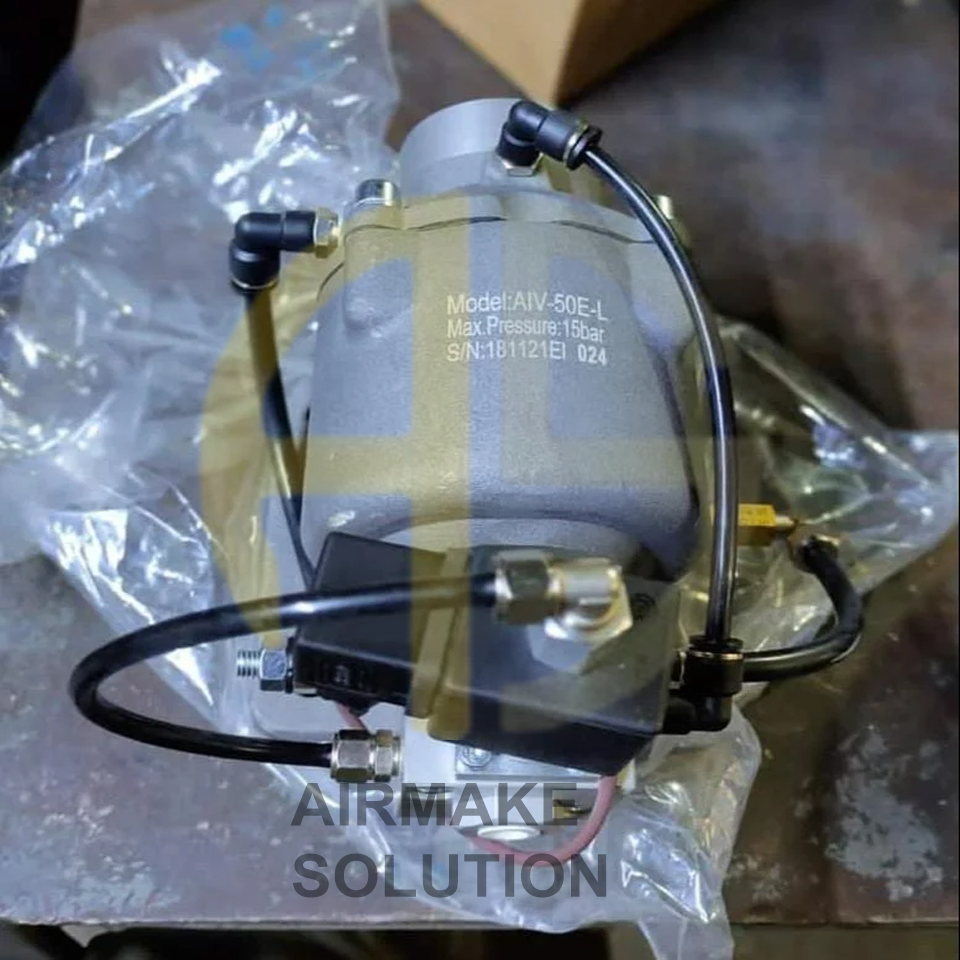
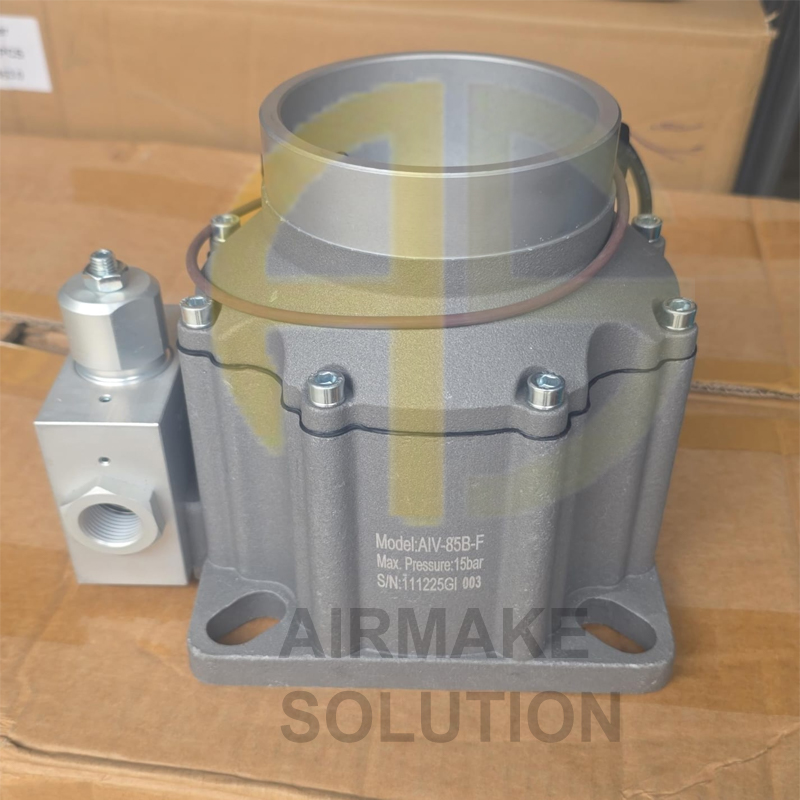
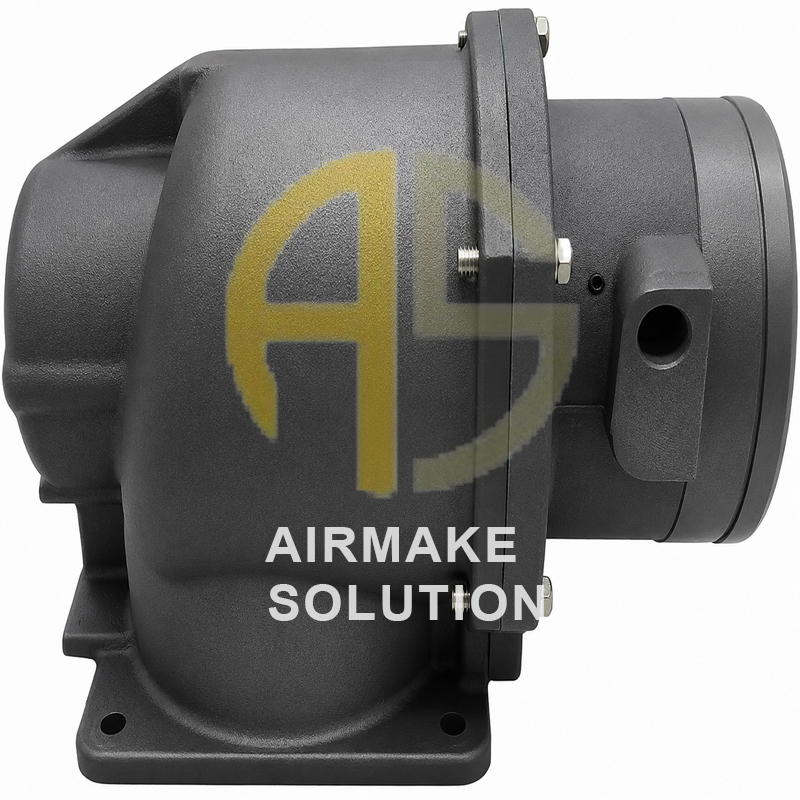
The Intake Valve Assembly RB60 controls airflow at the compressor inlet and helps regulate compressor capacity according to air demand. The RB60 is designed for compressor suction applications and supports controlled loading, unloading, and shutdown operation. It features a Ø60 mm nominal inlet size and can operate at pressures up to 16 bar, depending on the configuration.
Intake Valve Assembly RB60: Reliable Airflow Control for Compressor Systems
The Intake Valve Assembly RB60 plays an important role in managing airflow at the inlet of a compressor. A properly functioning intake valve allows the compressor to respond to changing air demand, control its capacity, and maintain stable operation.
Compressor systems need controlled suction airflow to operate efficiently. If the inlet remains uncontrolled, the compressor can experience unnecessary loading, unstable operation, pressure fluctuations, or unwanted backflow during shutdown. The RB60 intake valve addresses these requirements by controlling airflow according to the compressor’s operating conditions.
The RB series intake valves are installed at the compressor inlet and use control signals to open or close according to air demand. Depending on the configuration, the system can provide on/off or stepless capacity control.
What Is the Intake Valve Assembly RB60?
The RB60 Intake Valve Assembly is a compressor inlet control valve designed to regulate the amount of air entering the compressor. The RB60 belongs to the RB series of compressor intake valves and uses a nominal Ø60 mm (2.36-inch) inlet size. The published technical information specifies working pressure up to 16 bar / 232 psi, depending on the application and configuration.
The valve responds to a control signal and adjusts the compressor’s suction airflow. This function helps the compressor match its output to the required air demand.
The RB60 can also incorporate a check-valve function that helps prevent backflow when the compressor shuts down.
Control Compressor Airflow More Effectively
Air demand changes throughout an industrial process. A compressor therefore needs an effective method to adjust its capacity.
The RB60 intake valve controls the airflow entering the air-end. When the compressor requires more air, the valve can open to allow greater airflow. When demand decreases, the control system can reduce or stop the inlet flow.
This controlled operation helps the compressor respond to changing production requirements instead of operating continuously at an uncontrolled intake condition.
The RB series supports different working configurations, including non-return control, on/off start-up systems, and stepless control systems. Specific functionality depends on the selected valve version and compressor arrangement.
Protect the Compressor During Shutdown
Shutdown protection is another important function of an intake valve.
When a compressor stops, unwanted air or oil flow can move backward through the compressor if the inlet remains uncontrolled. The RB series uses a check-valve function to help prevent backflow during shutdown.
This feature helps protect the compressor system and supports safer shutdown behavior.
A properly maintained intake valve therefore contributes not only to airflow control but also to reliable compressor operation during starting, running, unloading, and stopping.
Support Stable Compressor Capacity
Industrial compressors rarely operate under exactly the same air demand throughout the day. Production equipment can switch on and off, and the required compressed-air volume can change.
The RB60 helps the compressor respond to these changes through controlled inlet airflow.
For applications using proportional or stepless control, the valve can regulate airflow progressively instead of relying only on fully open or fully closed positions. The RB series documentation identifies the RB…P configuration for stepless control with the suction control valve closed, while other versions support different operating arrangements.
This flexibility makes the correct intake-valve configuration important when servicing or replacing a compressor inlet assembly.
RB60 Technical Specifications
The following specifications come from available RB-series technical documentation:
| Specification | RB60 |
|---|---|
| Series | RB Series |
| Valve Application | Compressor inlet / suction control |
| Nominal Inlet Diameter | Ø60 mm / 2.36 in |
| Maximum Published Working Pressure | Up to 16 bar / 232 psi |
| Solenoid Voltage Options | 24V, 110V, or 230V, depending on configuration |
| Housing Material | Aluminium alloy |
| Internal Components | Aluminium alloy/anodized components and brass, depending on documented version |
| Seal Material | Viton |
| Approx. Weight | 2.2 kg / 4.85 lb |
| Control Options | Non-return, on/off, stepless, and other configurations depending on version |
Specifications can vary between RB60 configurations, so always confirm the exact valve version, dimensions, connections, control arrangement, and voltage before ordering.
Use the Correct Installation Method
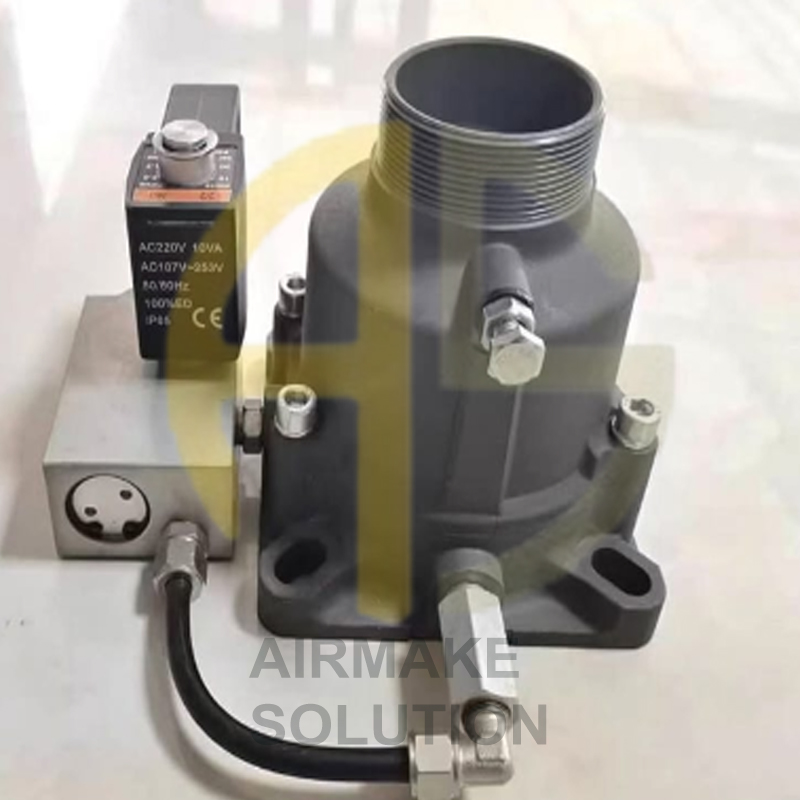
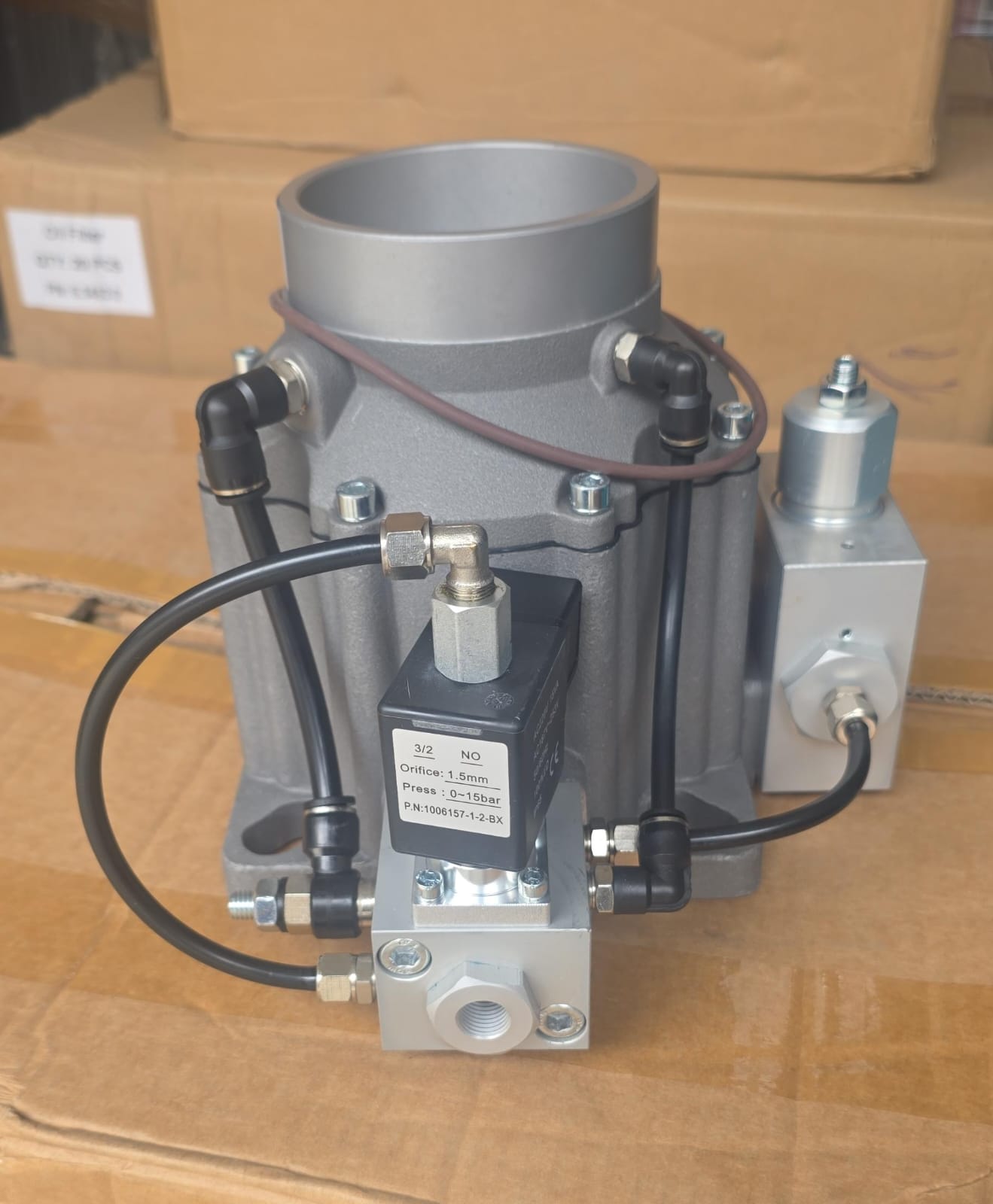
The RB60 installs on the suction flange of the compressor air-end. Depending on the air-end design, the valve may connect directly or through a flange adaptor. The valve also needs the appropriate signal-pressure and solenoid connections for the selected configuration.
Correct installation helps the valve respond properly to the compressor control system.
During installation, technicians should verify:
- Inlet and outlet orientation
- Flange compatibility
- Pneumatic signal connections
- Solenoid-valve compatibility
- Electrical voltage
- Seal condition
- Fastener condition
- Air leakage
- Control response
Always follow the compressor manufacturer’s service procedure and the specific valve documentation.
Maintain the Intake Valve Regularly
A compressor intake valve operates under repeated mechanical and pneumatic stress. Dust, oil contamination, wear, seal deterioration, and incorrect control pressure can affect its performance.
Regular inspection helps identify problems before they cause significant compressor downtime.
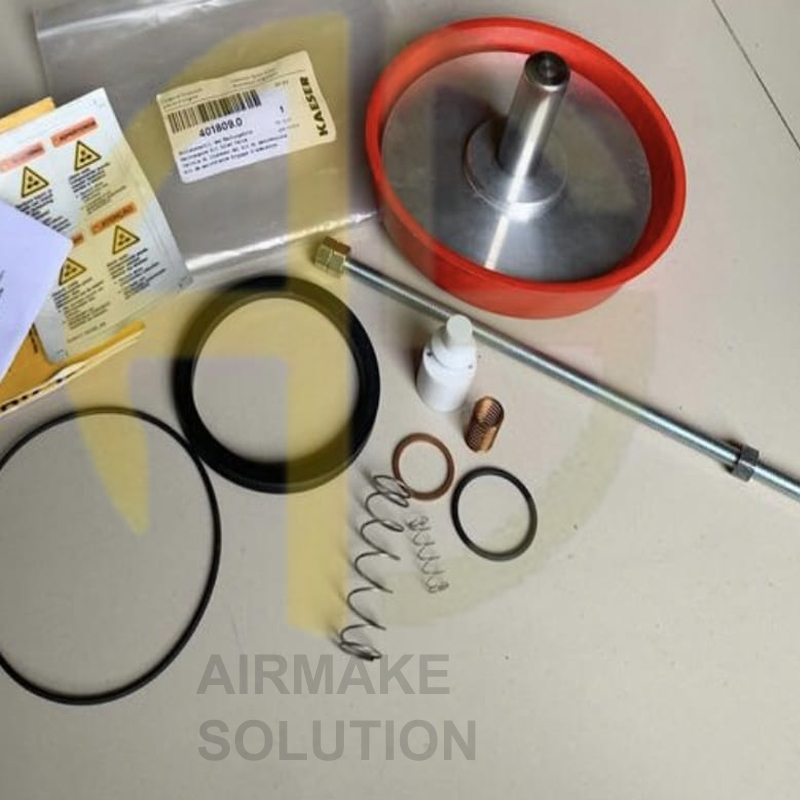
Available RB-series documentation recommends inspecting the valve and replacing it using the appropriate spare-parts kit after approximately 8,000 operating hours, depending on application and operating parameters.
Actual service intervals should follow the compressor manufacturer’s maintenance schedule and the operating environment.
Recognize Common Intake Valve Problems
A worn or malfunctioning intake valve can affect compressor performance.
Common warning signs may include:
Unstable Compressor Loading
If the valve does not respond correctly to the control signal, the compressor may struggle to transition smoothly between loading and unloading conditions.
Reduced Airflow
A restricted or improperly operating inlet valve can limit the amount of air entering the compressor.
Air or Oil Backflow
A damaged check-valve function can allow unwanted reverse flow during shutdown.
Difficult Starting
A problem with the inlet-control mechanism can affect the compressor’s start-up sequence.
Excessive Pressure Fluctuation
Incorrect valve operation can interfere with the compressor’s ability to match air production to demand.
When these symptoms appear, technicians should inspect the complete intake-control system rather than replacing components without diagnosis.
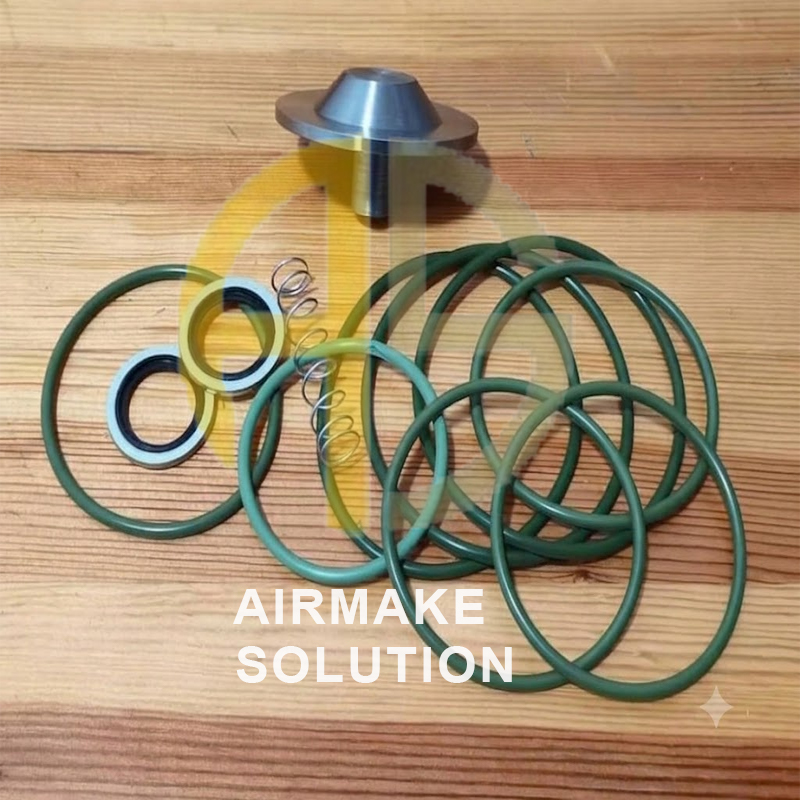
Use Quality Seals and Spare Parts
Seals play an important role in maintaining pneumatic control and preventing leakage. RB-series documentation identifies Viton sealing components in the valve construction.
When servicing the RB60, use compatible seals and replacement components suitable for the application.
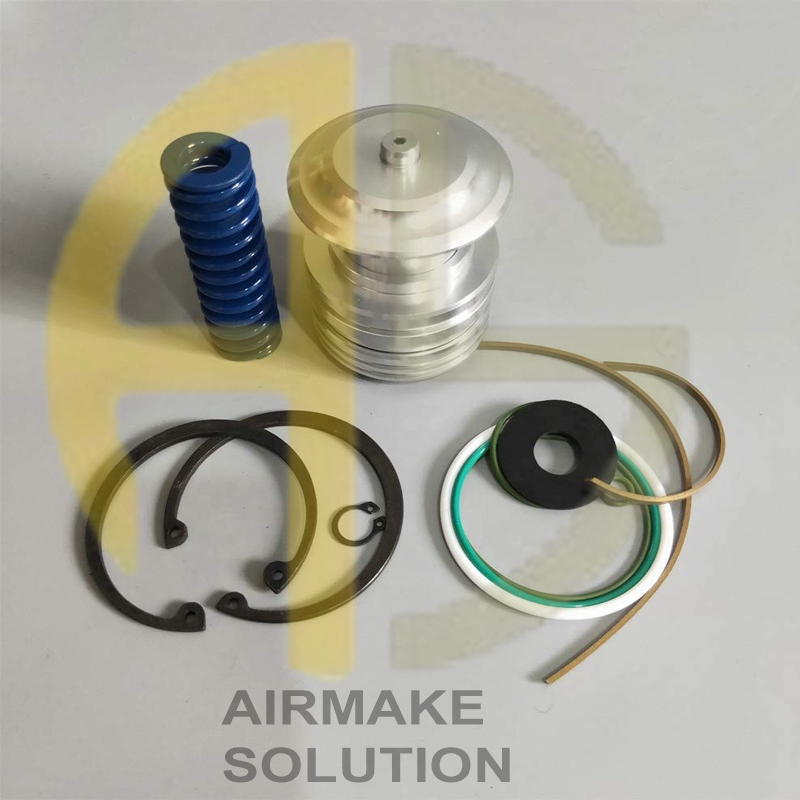
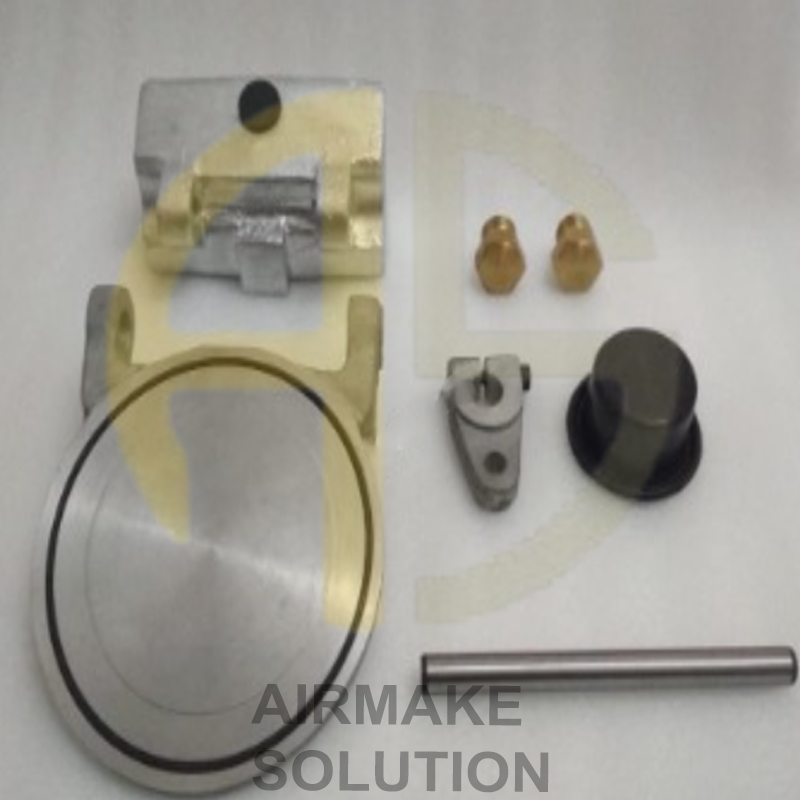
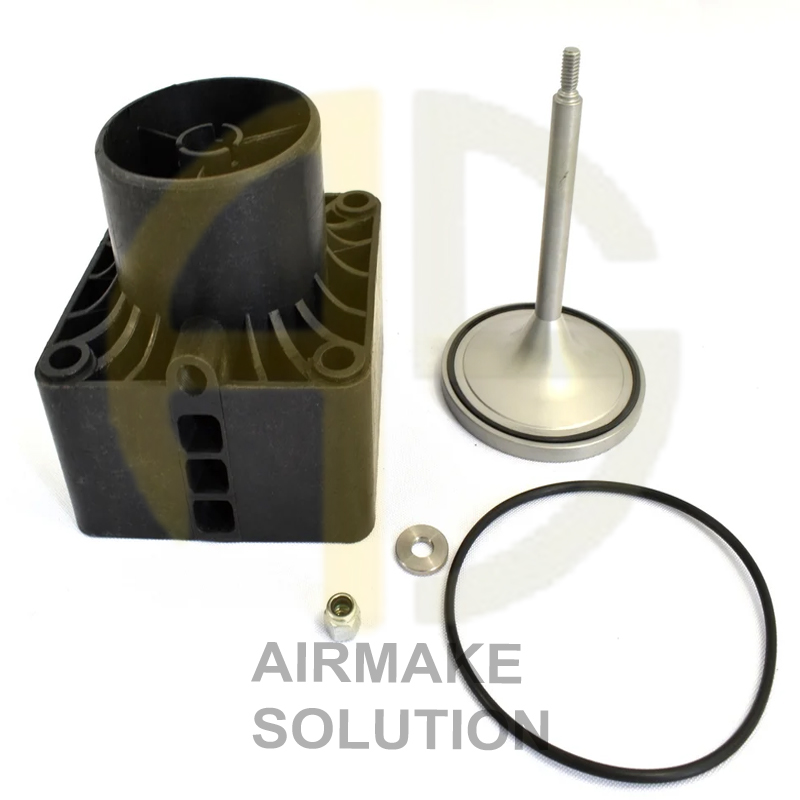
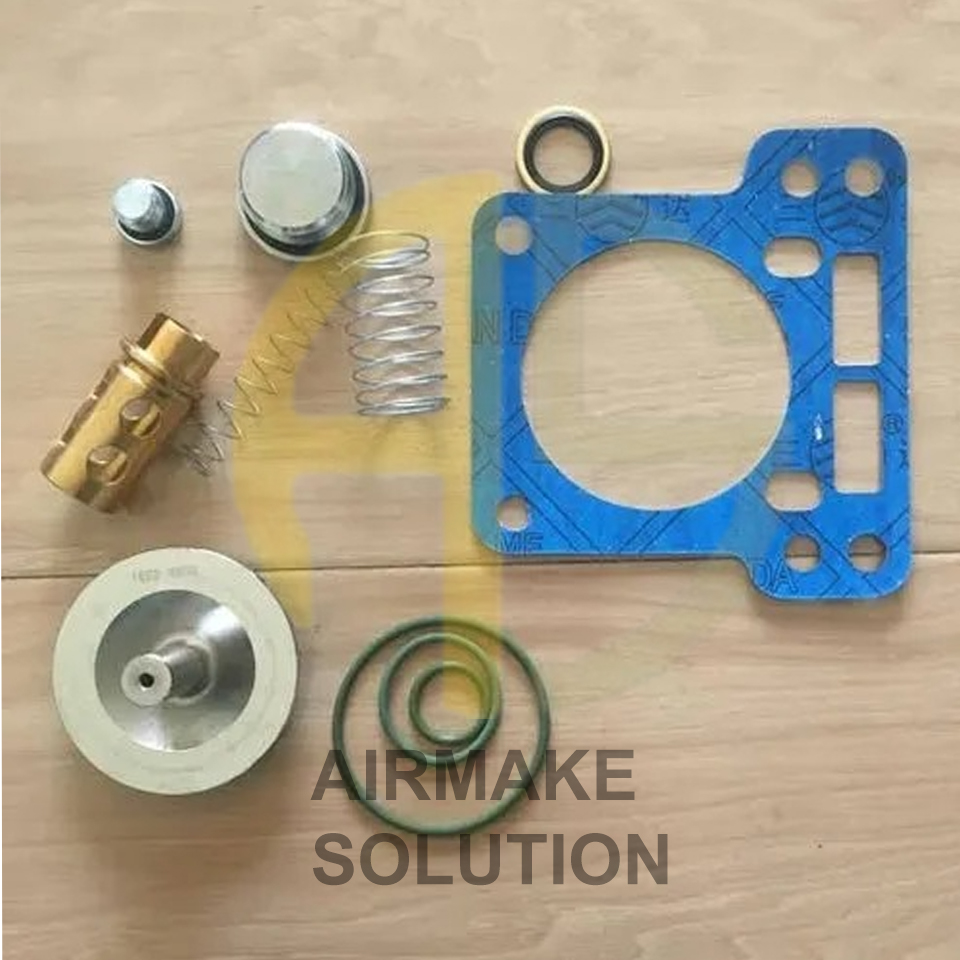
A proper service kit can help technicians restore the valve without unnecessarily replacing the entire assembly when only internal wear components require attention.
Reduce Compressor Downtime
A compressor failure can interrupt production and increase maintenance costs. Maintaining the intake valve helps reduce the risk of unexpected operating problems.
A reliable RB60 assembly supports:
- Controlled compressor loading
- Consistent inlet airflow
- Better capacity management
- Shutdown backflow protection
- Stable compressor operation
- Easier maintenance planning
- Reduced risk of unplanned downtime
For industrial facilities that depend on continuous compressed-air production, maintaining inlet-control components can contribute to overall equipment reliability.
Why Choose an RB60 Intake Valve Assembly?
The RB60 offers a practical solution for compressor inlet control applications where controlled suction airflow and shutdown protection are important.
Its compact Ø60 mm inlet configuration, available control options, and industrial construction make it suitable for compatible compressor systems. The documented RB-series design uses aluminium-alloy housing, dedicated internal components, sealing elements, and control connections designed for compressor applications.
However, compatibility remains essential. The valve should match the compressor’s air-end, pressure range, control system, flange arrangement, and electrical requirements.
How to Select the Right Intake Valve RB60
Before purchasing an Intake Valve Assembly RB60, check the following:
- Confirm the compressor make and model.
- Verify that the required inlet size is Ø60 mm.
- Check the operating pressure.
- Confirm the valve configuration such as NR, E, P, or PM.
- Verify the required solenoid voltage.
- Compare flange and mounting dimensions.
- Check pneumatic control connections.
- Confirm seal and material requirements.
- Compare the existing valve with the replacement assembly.
- Use the manufacturer’s technical documentation for final compatibility verification.
These checks help prevent incorrect-part purchases and unnecessary installation delays.
Conclusion
The Intake Valve Assembly RB60 provides controlled airflow management at the compressor inlet while supporting capacity regulation and shutdown protection. Its RB-series design accommodates different control configurations, including non-return, on/off, and stepless control applications.
With the correct configuration and regular maintenance, the RB60 can help maintain stable compressor operation, protect against unwanted backflow, and support reliable compressed-air production.
For replacement or service, always verify the exact RB60 configuration, compressor compatibility, pressure rating, control voltage, flange dimensions, and connection requirements before installation.
Reviews
There are no reviews yet.