
- Home
- Kaeser Compressor Parts
- Kaeser Oil Separator 6.2013.0
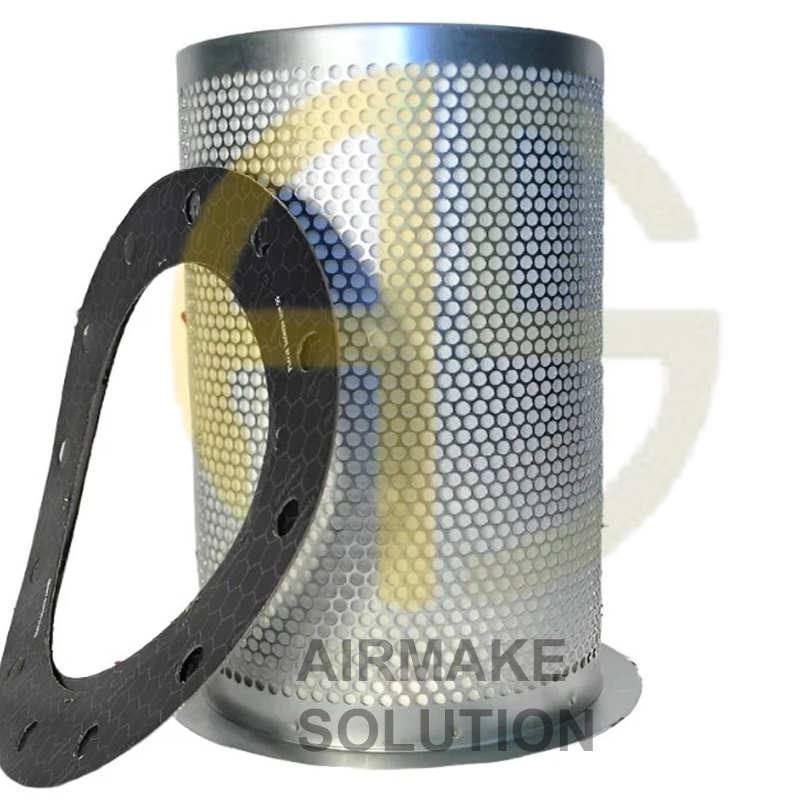
Kaeser Oil Separator 6.2013.0
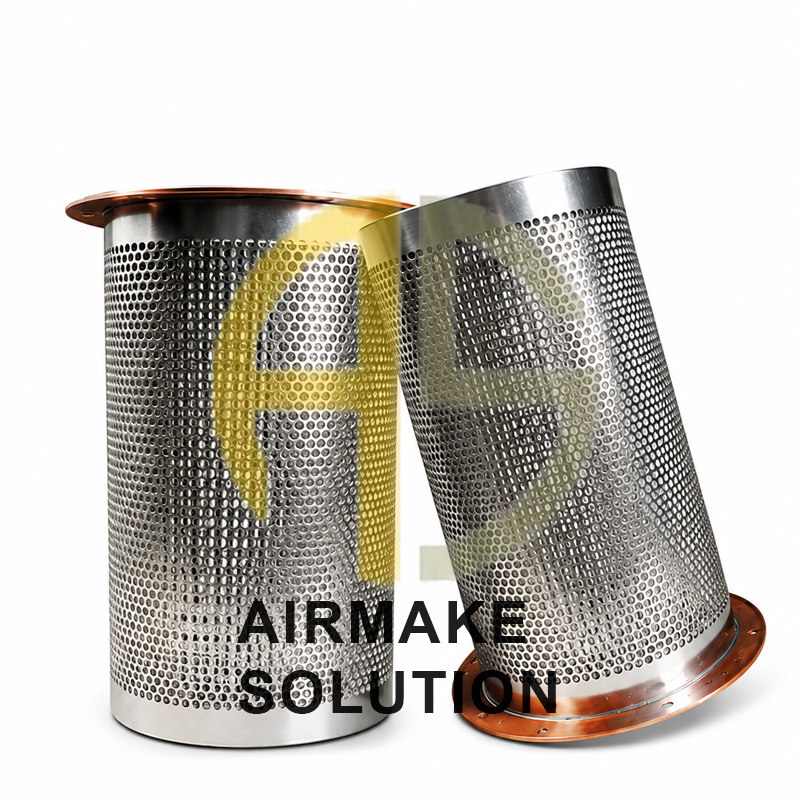
The Kaeser Oil Separator 6.2013.0 is an air-oil separator designed for applicable Kaeser compressor systems. It helps separate oil from compressed air, supporting cleaner compressed-air output, efficient oil recovery and reliable compressor operation. Public parts references associate this separator with selected Kaeser CS-series models, including CS 75, CS 76, CS 90, CS 91, CS 120 and CS 121. Always verify the compressor model, configuration and serial number before replacement.
Kaeser Oil Separator 6.2013.0 for Compressor Maintenance
The Kaeser Oil Separator 6.2013.0 plays an important role in oil-injected compressor systems by separating oil from compressed air. An effective separator helps the compressor recover oil while limiting oil carryover into the compressed-air stream. This process supports cleaner air delivery and helps maintain the compressor’s lubrication system.
Publicly available parts references identify 6.2013.0 as a Kaeser oil separator / air-oil separator. Several parts suppliers associate the reference with selected Kaeser CS-series compressor models, including CS 75, CS 76, CS 90, CS 91, CS 120 and CS 121. Because applications can depend on model and serial-number range, buyers should confirm the exact compressor configuration before purchasing.
Separate Oil From Compressed Air
Oil-injected compressors use oil for lubrication, cooling and sealing during compression. After compression, the system needs to separate this oil from the compressed air before the air moves toward downstream equipment.
The Kaeser 6.2013.0 oil separator supports this separation process. It helps retain separated oil within the compressor system while allowing compressed air to continue through the appropriate air path.
Proper oil separation can help reduce unnecessary oil carryover and support consistent compressor operation.
Support Cleaner Compressed Air
Oil carryover can affect compressed-air quality and downstream equipment. Excessive oil contamination may create additional maintenance requirements and can affect applications that require cleaner compressed air.
A correctly selected separator helps control oil carryover from the compressor. By maintaining effective separation, the component supports cleaner compressed-air delivery and contributes to a properly maintained compressed-air system.
Maintain Efficient Oil Recovery
An oil separator does more than remove oil from compressed air. The compressor system must also recover and return separated oil to the appropriate lubrication circuit.
A properly functioning separator supports this process by allowing the compressor to retain and recover oil efficiently. Maintaining the separator therefore contributes to the overall oil-management process inside the compressor.
Support Reliable Compressor Operation
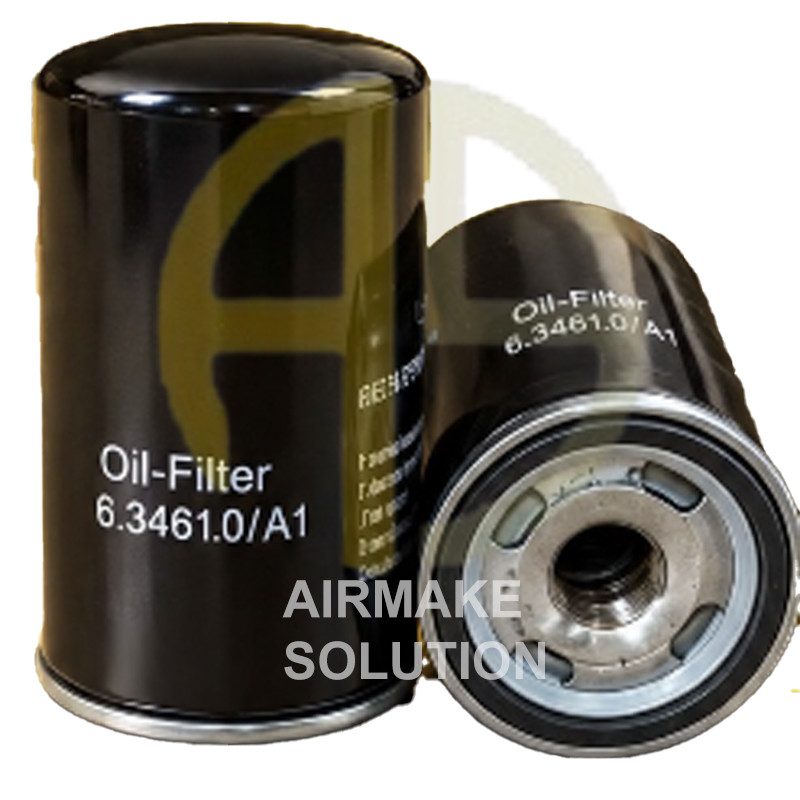
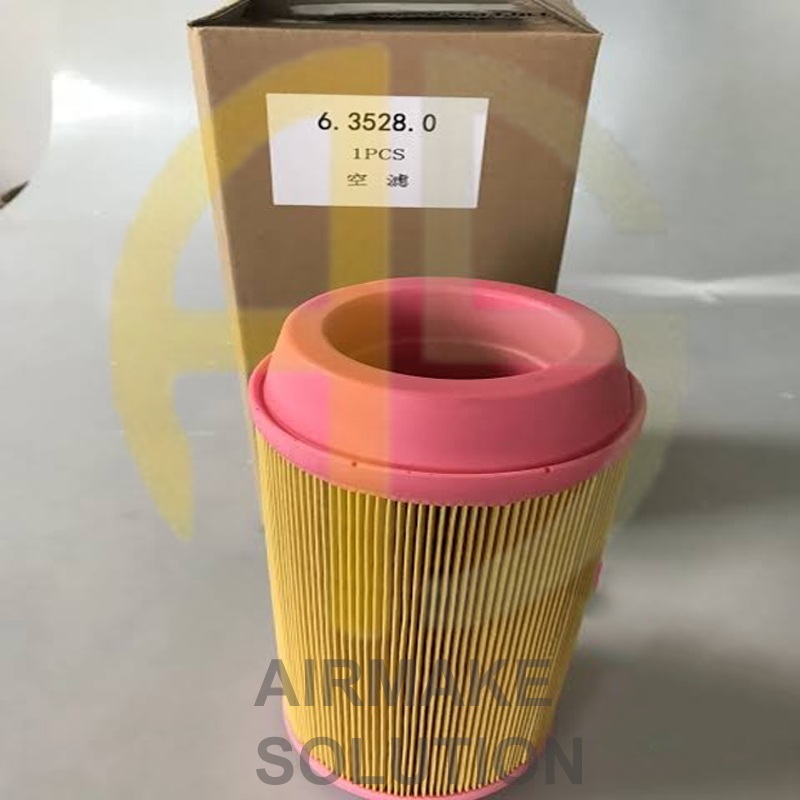
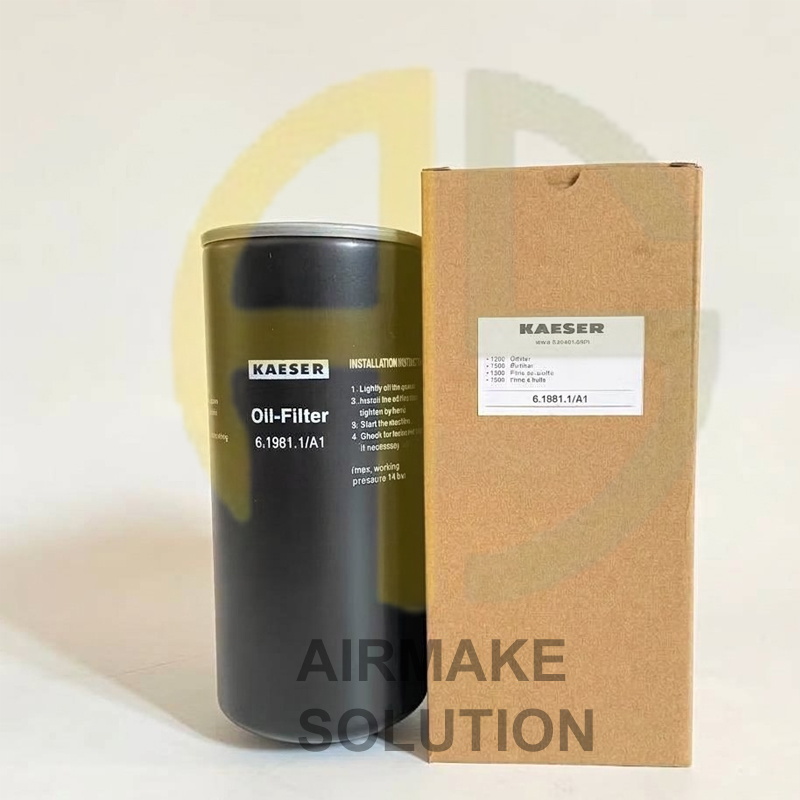
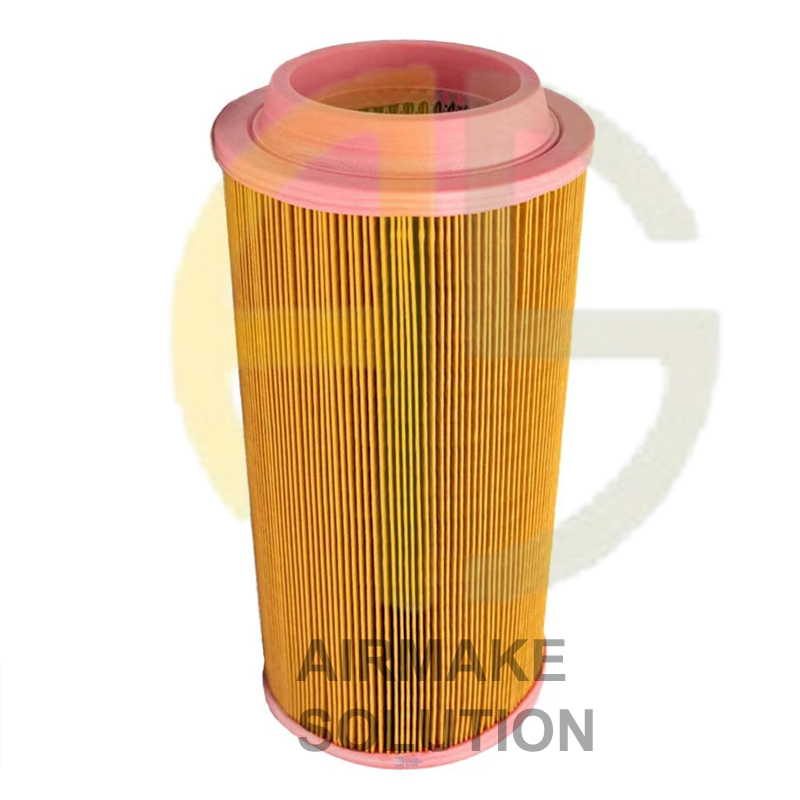
Compressor performance depends on several components working together. The air filter controls intake contamination, the oil filter cleans compressor oil, and the oil separator manages oil separation from compressed air.
When these components operate correctly, the compressor can maintain its intended operating conditions more effectively.
Replacing a worn or unsuitable oil separator with the correct part can therefore support dependable compressor operation and help maintain the overall compressed-air system.
Use the Correct Kaeser Part Number
The part number 6.2013.0 provides an important identification point when sourcing a replacement separator. However, part-number matching alone should not replace compressor verification.
Public references associate 6.2013.0 with models such as CS 75, CS 76, CS 90, CS 91, CS 120 and CS 121. Some references further identify specific serial-number ranges, which shows why checking the compressor nameplate and service documentation matters.
Always compare:
- Compressor model
- Serial number
- Existing separator part number
- Compressor configuration
- Separator dimensions and connection arrangement
- Maintenance documentation
This approach helps reduce the risk of ordering an unsuitable replacement.
Check the Separator During Maintenance
Regular inspection helps identify separator-related problems before they affect compressor performance. Maintenance personnel should look for signs of increased oil carryover, abnormal pressure drop, contamination or deterioration.
A separator that no longer performs effectively may affect oil recovery and compressed-air quality. Technicians should follow the compressor manufacturer’s maintenance procedures when inspecting or replacing the component.
Do not determine replacement solely from operating hours. Actual service requirements can vary according to compressor model, operating environment, oil type, load profile and manufacturer recommendations.
Protect Downstream Equipment
Oil separation also supports downstream compressed-air equipment. Excess oil entering the air network can contaminate piping, filters, dryers and other components.
Effective separation at the compressor helps reduce the amount of oil entering the downstream air system. This can support cleaner operation and reduce the potential maintenance burden on connected equipment.
For systems with demanding air-quality requirements, users should also select and maintain the appropriate downstream filtration and drying equipment.
Choose the Right Replacement Separator
The Kaeser Oil Separator 6.2013.0 appears in multiple compressor-parts references, but not every Kaeser compressor uses the same separator. For example, public parts references identify 6.2013.0 for selected CS-series models, while other Kaeser compressor families use different separator references.
This makes accurate part identification essential.
If you are replacing an existing separator, compare the old part number with the compressor documentation. When available, provide the compressor model and serial number to your parts supplier for verification.
Consider Separator Construction and Fit
Supplier cross-reference information for 6.2013.0 describes a separator element with borosilicate micro-glass filtration media and lists dimensions for an aftermarket cross-reference. These specifications can help during identification, but buyers should treat aftermarket dimensions as cross-reference information rather than automatically assuming they represent the manufacturer’s current specification.
Fit, sealing and correct installation remain important because an incorrectly matched separator can compromise the separation system.
Install the Separator Correctly
Correct installation helps the separator perform as intended. Before installation, technicians should inspect the housing, sealing surfaces and associated components. Remove contamination and ensure that the replacement component fits correctly.
Use the compressor manufacturer’s service instructions for installation procedures, tightening requirements and associated maintenance steps.
After installation, inspect the system for leaks and monitor compressor operation according to the applicable service procedure.
Reduce Oil Carryover Through Proper Maintenance
Oil carryover can result from several conditions, including separator deterioration, incorrect component selection, problems in the oil-return system or operating conditions outside the intended range.
Replacing the separator alone may not solve every oil-carryover problem. If oil carryover remains high after replacement, technicians should inspect the related oil-return and compressor systems.
A complete maintenance approach helps identify the actual cause instead of repeatedly replacing individual components.
Suitable for Compressor Spare-Part Requirements
For businesses maintaining Kaeser compressor systems, the 6.2013.0 oil separator can serve as an important replacement component for applicable machines.
Keeping the correct separator reference available can simplify maintenance planning and reduce delays when scheduled service requires separator replacement.
For procurement teams, recording the compressor model, serial number and existing component number alongside the spare-part reference can improve future ordering accuracy.
Why Choose Kaeser Oil Separator 6.2013.0?
The Kaeser Oil Separator 6.2013.0 is identified in public parts references as an oil separator/air-oil separator for selected Kaeser compressor applications. Its role is to support oil separation, oil recovery and cleaner compressed-air delivery.
When correctly matched to the compressor, the separator can contribute to:
- Effective oil separation
- Reduced oil carryover
- Cleaner compressed-air output
- Better oil recovery
- Reliable compressor operation
- Proper compressor maintenance
- Protection of downstream air equipment
These benefits depend on correct application, installation and maintenance.
Verify Compatibility Before Ordering
Before purchasing a Kaeser Oil Separator 6.2013.0, verify the compressor model and serial number. Public references show that specific serial-number ranges can affect component selection.
If you are sourcing this part for a CS-series compressor, compare the existing separator and compressor documentation before placing an order.
Conclusion
The Kaeser Oil Separator 6.2013.0 supports the oil-separation process in applicable Kaeser compressor systems. By helping separate oil from compressed air and supporting oil recovery, it contributes to cleaner air delivery and reliable compressor operation.
For replacement planning, always confirm the 6.2013.0 part number, compressor model, configuration and serial number. Correct identification helps ensure that the replacement separator matches the intended compressor application and maintenance requirements.

Reviews
There are no reviews yet.