
- Home
- Air Compressor Oil Separators
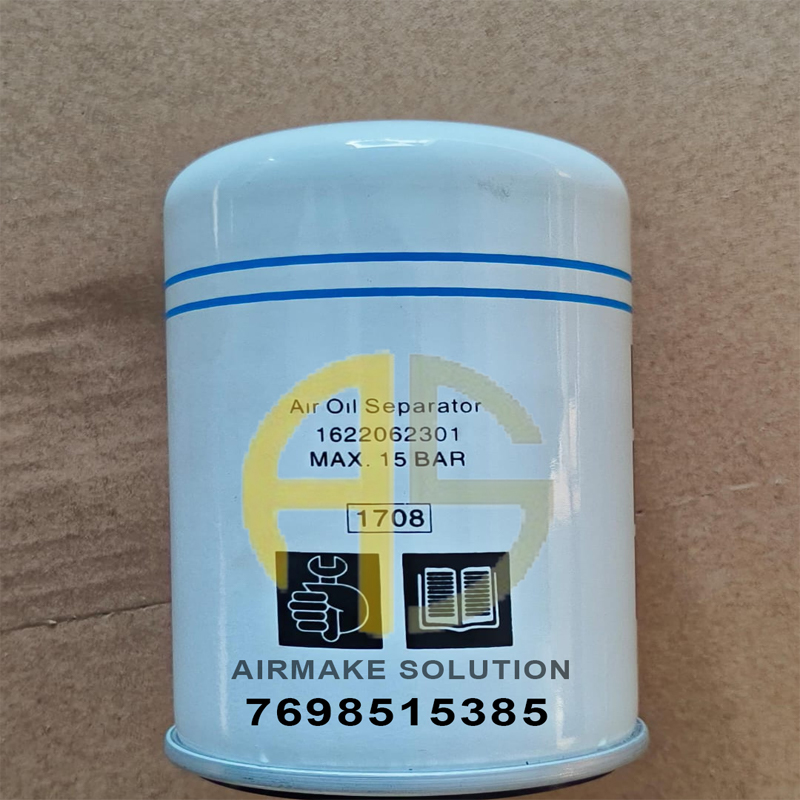
- Oil Separator Filter 11427474
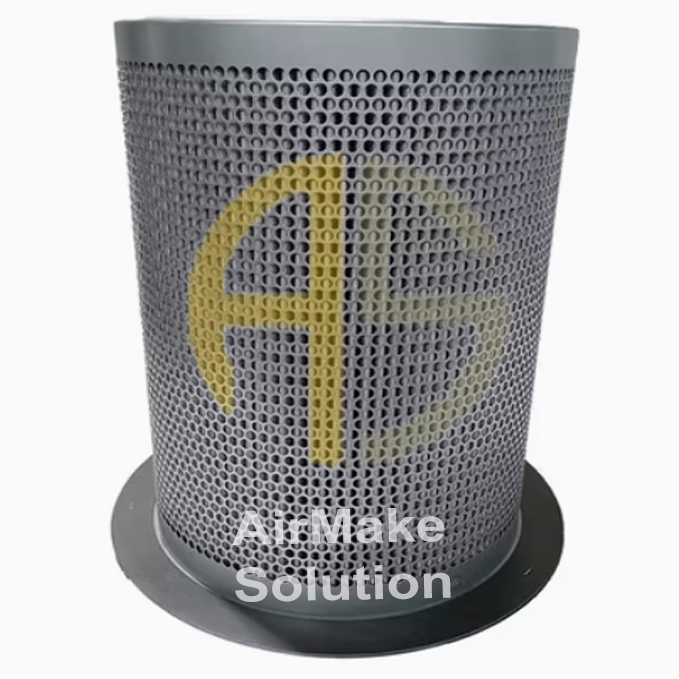
Oil Separator Filter 11427474
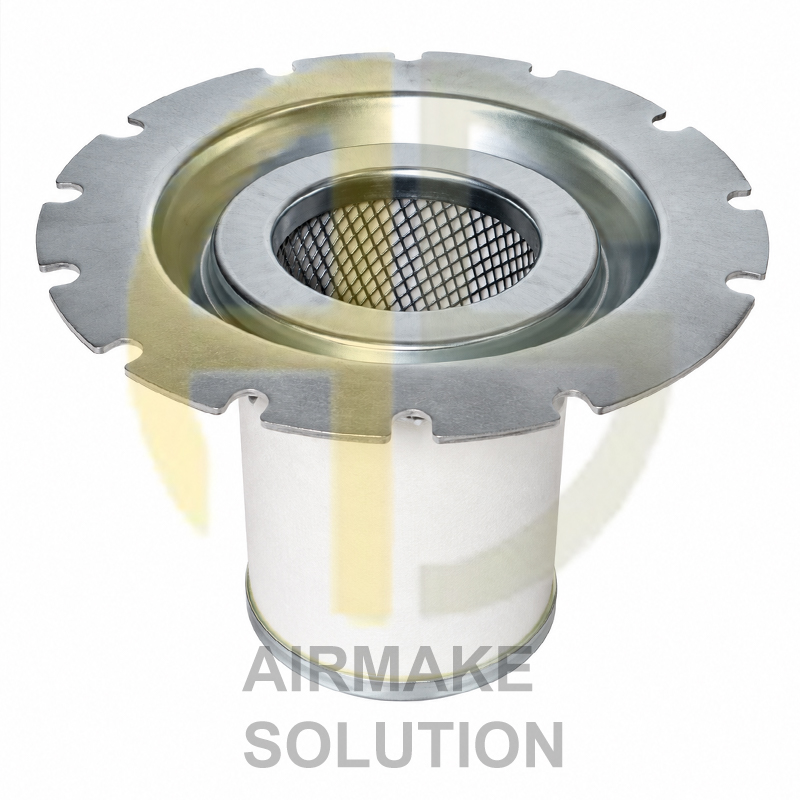
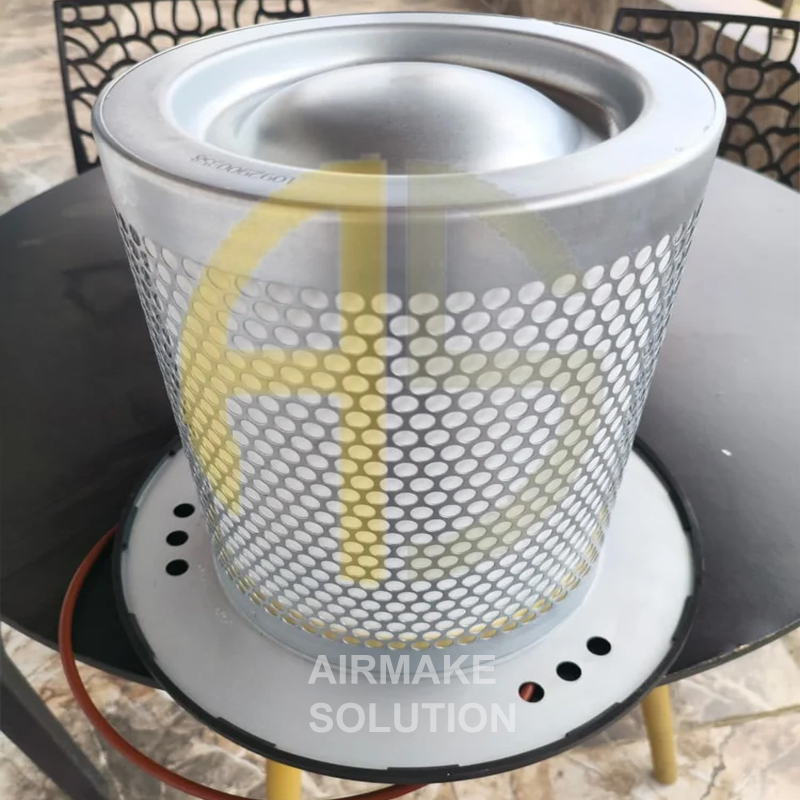
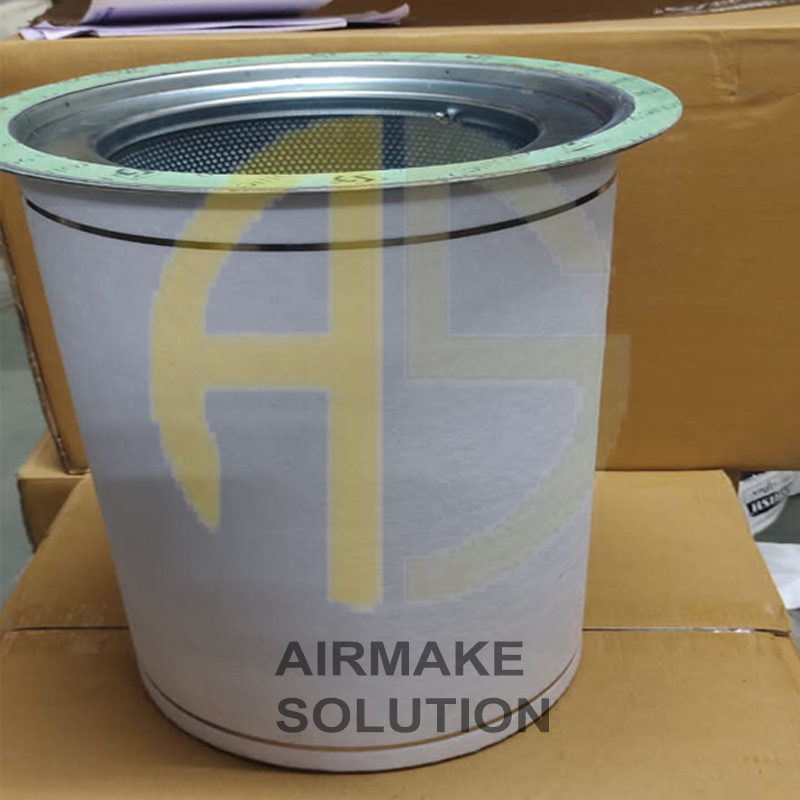
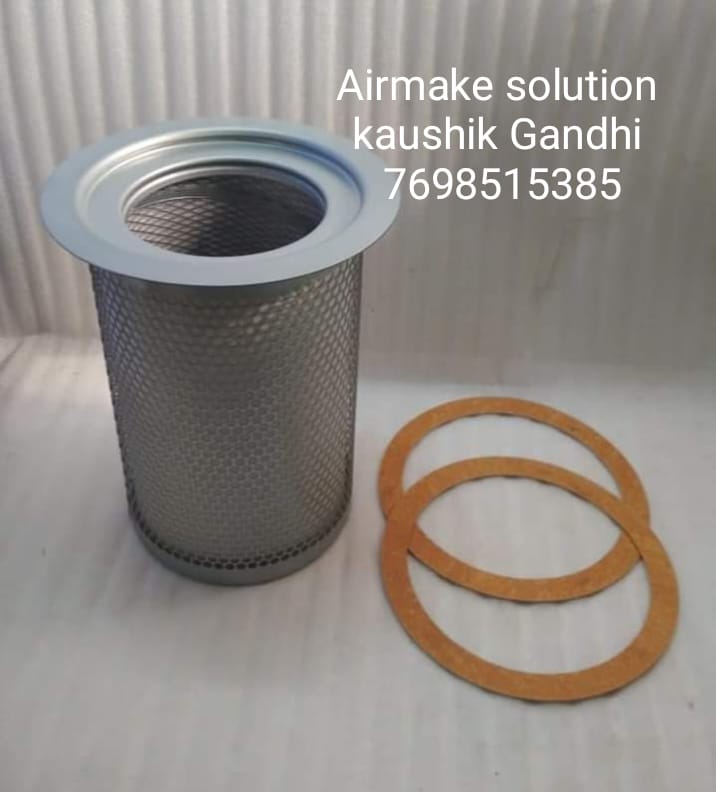
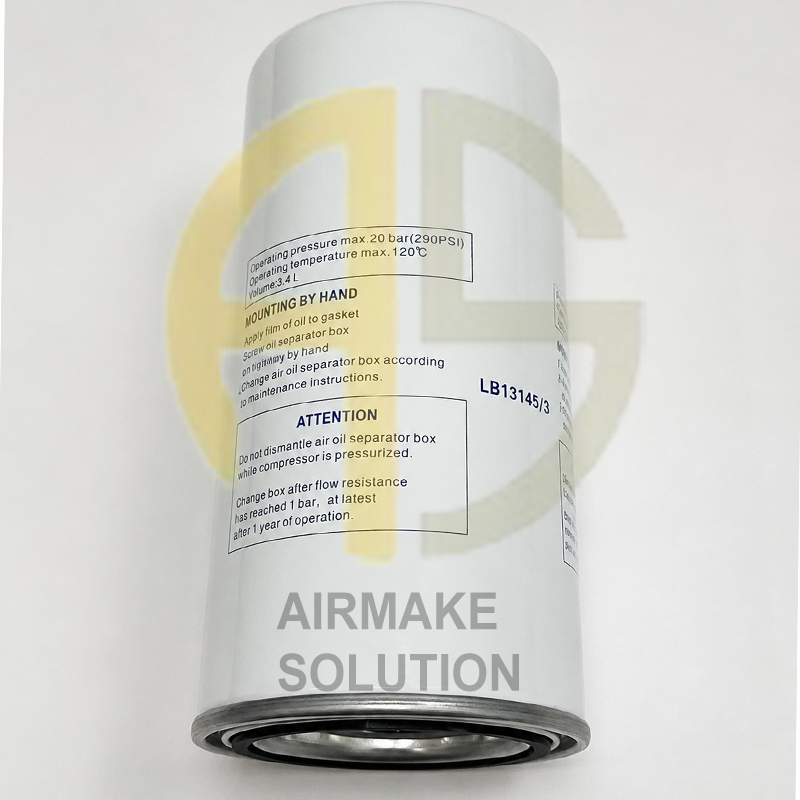
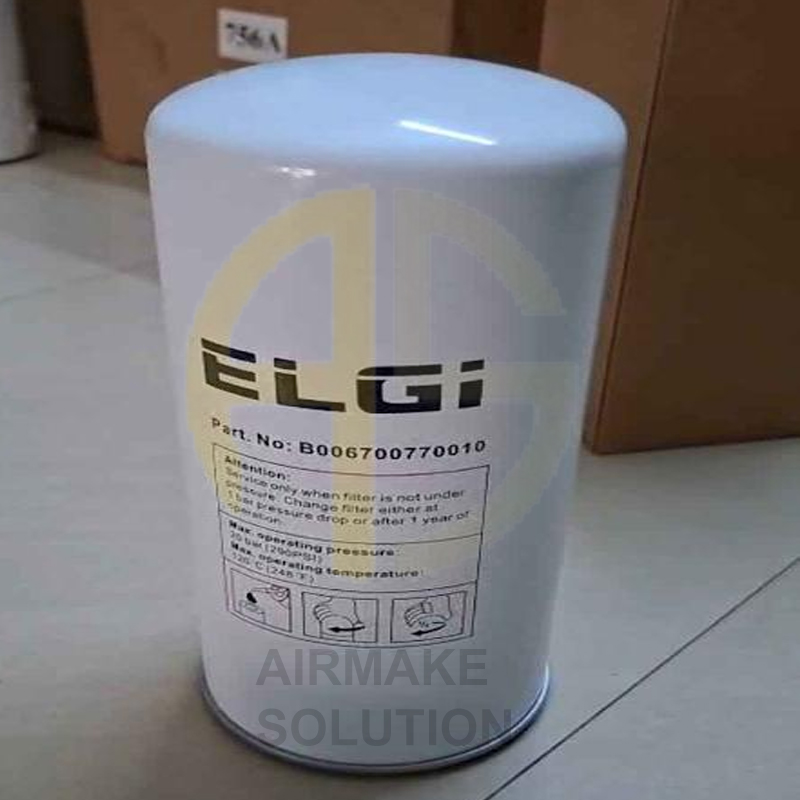
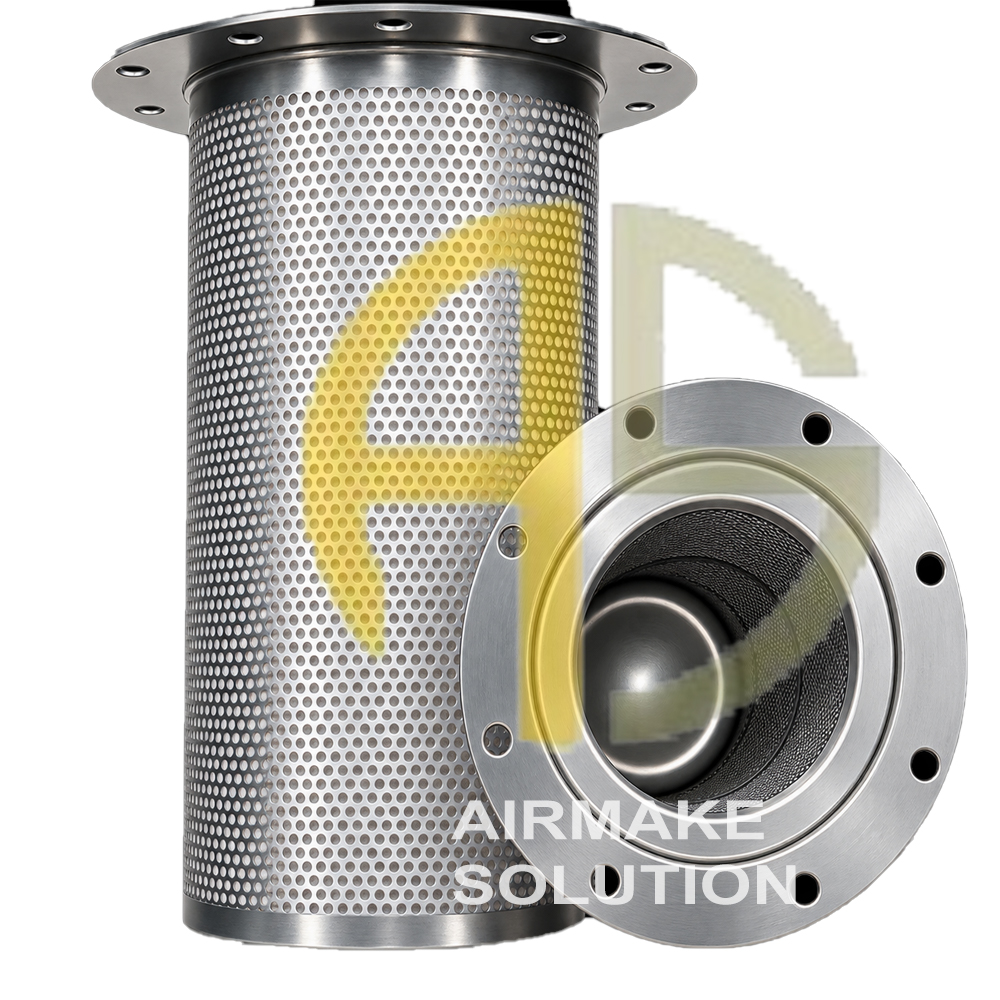
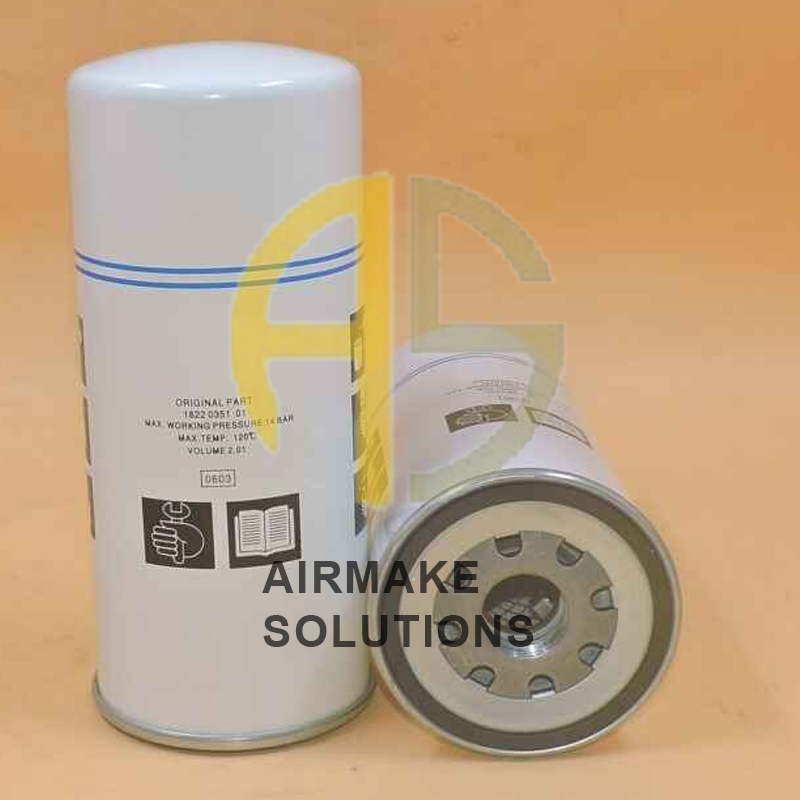
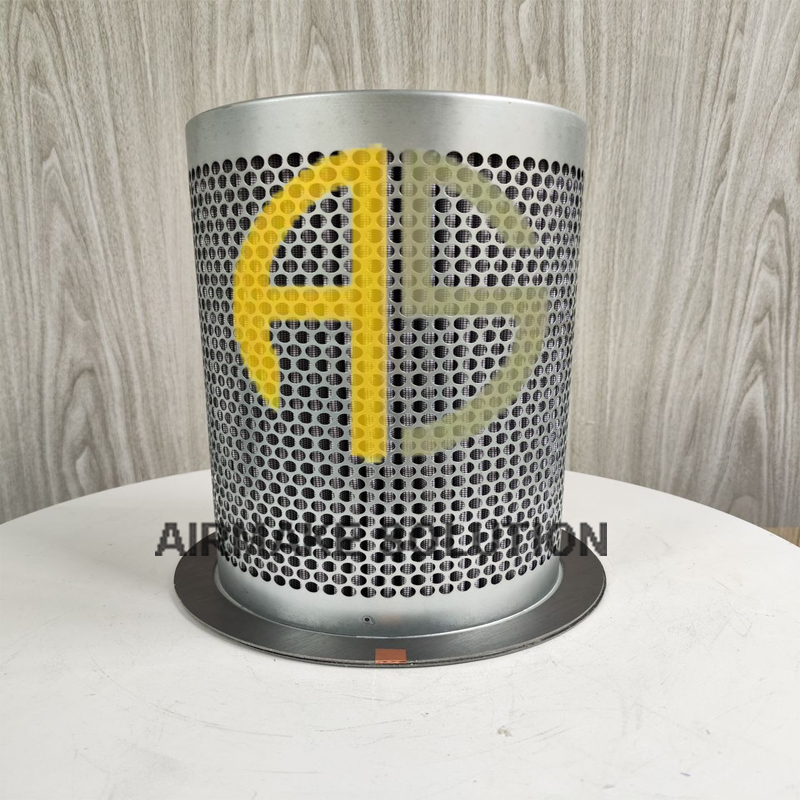
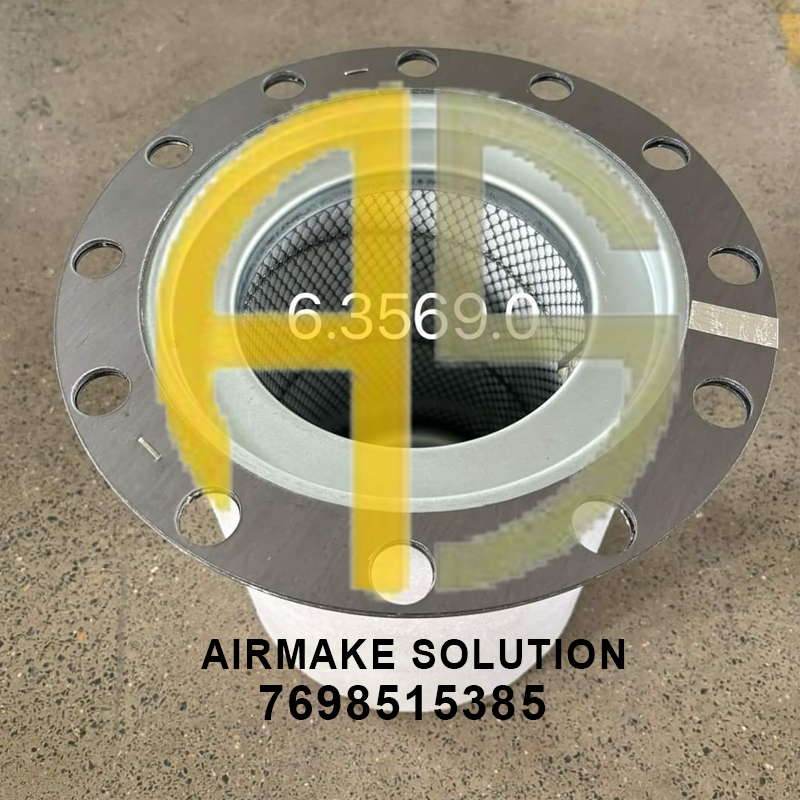
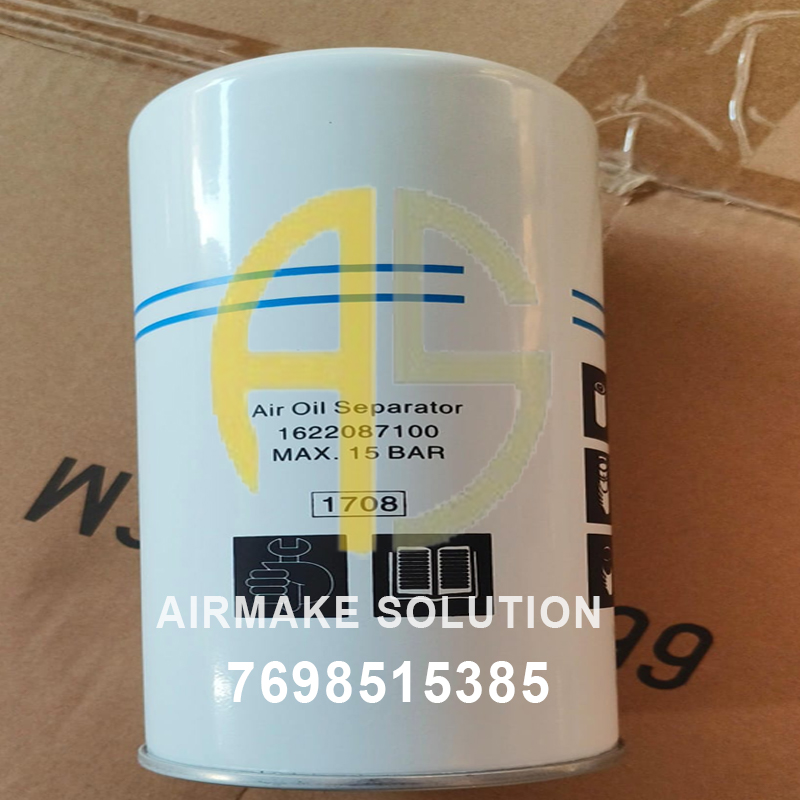
Oil Separator Filter 11427474 is an important air compressor component designed to separate lubricating oil from compressed air in compatible oil-injected compressor systems. It helps reduce oil carryover, supports cleaner compressed air, improves oil recovery, and helps maintain reliable compressor performance.
Maintain Cleaner Compressed Air with Efficient Oil Separation
The Oil Separator Filter 11427474 is an important maintenance component used in compatible oil-injected air compressor systems. Oil-injected rotary screw compressors use lubricating oil during operation to support lubrication, cooling, sealing, and efficient compression.
After the compression process, the discharged air and oil mixture enters the air-oil separation system. The compressor must separate the lubricating oil from the compressed air before delivering the air to downstream equipment.
The Oil Separator Filter 11427474 helps perform this important separation process. It captures and separates fine oil particles from the compressed air stream, helping reduce oil carryover and supporting cleaner compressed air delivery.
A properly maintained oil separator can contribute to reliable compressor performance, improved oil management, and effective compressed air system operation.
Before purchasing a replacement separator, always confirm that part number 11427474 matches the specific compressor model and application.
Understand How an Oil Separator Filter Works
In an oil-injected rotary screw compressor, oil mixes with compressed air during the compression process. This mixture must pass through an air-oil separation system before the compressor delivers air to the compressed air network.
The separation process generally takes place in stages.
First, the separator vessel helps remove a significant amount of oil from the compressed air mixture through mechanical separation. Fine oil particles that remain in the air then pass through the separator filter element.
The separator media captures additional oil droplets and allows the recovered oil to return to the compressor’s oil circulation system.
This process helps the compressor:
- Reduce oil carryover
- Deliver cleaner compressed air
- Recover lubricating oil
- Maintain efficient oil circulation
- Support reliable compressor operation
The oil separator works as part of the complete compressor system. Compressor oil quality, operating temperature, pressure, airflow, and maintenance practices can all affect separator performance.
Reduce Oil Carryover in Compressed Air
Oil carryover occurs when lubricating oil passes beyond the compressor separation system and enters the downstream compressed air network.
Excessive oil carryover can create problems in industrial applications. Oil contamination can affect downstream filters, air dryers, pneumatic equipment, and sensitive manufacturing processes.
A properly functioning Oil Separator Filter 11427474 helps capture fine oil particles before compressed air moves through the downstream system.
Effective oil separation can help:
- Reduce oil contamination
- Support cleaner compressed air
- Protect downstream equipment
- Reduce unnecessary oil consumption
- Support efficient compressor operation
However, the final compressed air quality depends on the complete air treatment system. Applications requiring very clean or oil-free air may need additional downstream filtration and treatment equipment.
Support Efficient Compressor Oil Recovery
Compressor oil represents an important operating material in oil-injected screw compressors. The compressor system aims to recover separated oil and return it to the lubrication circuit.
An efficient oil separator helps support this recovery process.
When excessive oil leaves the compressor with compressed air, the compressor may consume more oil and require additional maintenance attention. Increased oil consumption can also indicate problems with the separator, scavenge system, operating conditions, or other compressor components.
Maintaining the correct separator helps support proper oil management within compatible compressor systems.
Maintenance teams should inspect the complete oil separation system if they notice abnormal oil consumption.
Protect Downstream Compressed Air Equipment
Compressed air often travels through a network of pipelines before reaching production equipment. Many industrial systems depend on relatively clean compressed air for reliable operation.
Excess oil in the compressed air stream can affect:
- Pneumatic tools
- Air cylinders
- Control valves
- Production equipment
- Air dryers
- Downstream filters
- Automated systems
The oil separator filter provides an important first stage of oil removal inside the compressor.
By maintaining an effective separator, businesses can help reduce contamination entering downstream equipment.
For applications with strict air-quality requirements, use suitable downstream filters and air treatment equipment based on the application’s requirements.
Maintain Stable Compressor Performance
A contaminated or heavily restricted oil separator can affect compressor operation.
As contaminants accumulate, airflow resistance may increase. Increased resistance can create additional pressure drop within the compressor system.
Higher pressure drop may cause the compressor to work under less efficient operating conditions.
Regular separator maintenance helps maintenance teams replace worn filtration components before excessive contamination affects performance.
A preventive maintenance program can help support:
- Stable airflow
- Controlled pressure drop
- Reliable oil separation
- Better oil management
- Consistent compressor operation
Always follow the recommended maintenance schedule for the specific compressor.
Recognize Signs of Oil Separator Problems
Maintenance teams should monitor compressor performance and inspect the oil separation system when operating conditions change.
Possible signs of an oil separator issue may include:
Increased Oil Carryover
More oil than expected may appear in downstream compressed air equipment.
Increased Oil Consumption
The compressor may require more frequent oil top-ups.
Higher Pressure Drop
A contaminated separator may restrict airflow and increase resistance.
Reduced Compressor Efficiency
The compressor may consume additional energy when internal restrictions increase.
Contamination in Downstream Equipment
Oil contamination may appear in filters, pipelines, or pneumatic equipment.
These symptoms can also result from other problems. Technicians should inspect the complete compressor system rather than replacing the separator without identifying the cause.
Select the Correct Replacement Separator
Selecting the correct oil separator is essential for reliable performance.
Different compressors use different separator designs. A separator may vary in:
- Diameter
- Height
- Filtration media
- Sealing arrangement
- Airflow capacity
- Pressure requirements
- Installation method
The Oil Separator Filter 11427474 should be verified against the original compressor component.
Before ordering, check:
- Compressor brand and model
- Compressor serial number
- Existing separator part number
- Separator dimensions
- Installation configuration
- Manufacturer specifications
Do not select a separator only because it looks similar to the original part.
Correct part-number matching helps avoid installation problems and performance issues.
Improve Preventive Maintenance Planning
Preventive maintenance helps businesses manage compressor servicing before unexpected component failure occurs.
Oil separator replacement can form part of a broader maintenance program that includes:
- Air filter inspection
- Oil filter replacement
- Compressor oil monitoring
- Oil separator inspection
- Pressure checks
- Temperature monitoring
- Valve inspection
- Leak detection
Monitoring compressor operating hours helps maintenance teams plan service activities and prepare the required replacement parts.
The correct replacement separator can help restore the oil separation system when the existing component reaches the end of its recommended service condition.
Follow Safe Installation Procedures
Air compressor maintenance involves pressurized systems, electrical components, and hot compressor oil. Only trained and qualified personnel should perform maintenance.
Before replacing an oil separator:
Shut Down the Compressor
Stop the equipment according to the manufacturer’s approved shutdown procedure.
Isolate Electrical Power
Disconnect the power supply and follow appropriate lockout procedures.
Release Internal Pressure
Ensure that the compressor system is fully depressurized before opening the separator vessel.
Allow Components to Cool
Compressor oil and internal components may remain hot after operation.
Install the Correct Component
Confirm that Oil Separator Filter 11427474 is correct for the compressor before installation.
Check the System After Maintenance
After completing the maintenance procedure, inspect the system for leaks, abnormal pressure readings, and unusual operating conditions.
Always follow the compressor manufacturer’s official maintenance instructions.
Extend Compressor Component Life Through Proper Maintenance
A well-maintained compressor system can provide more reliable service and help reduce unexpected maintenance problems.
The oil separator is only one component in the complete compressor system, but its performance affects oil management and compressed air quality.
Regular maintenance helps protect components throughout the system.
Proper maintenance can help:
- Reduce contamination-related problems
- Support cleaner compressed air
- Improve maintenance planning
- Protect downstream equipment
- Reduce unnecessary oil loss
- Support reliable compressor operation
Operating conditions can influence maintenance requirements. Compressors operating in dusty, hot, or demanding environments may require more frequent inspection.
Why Choose Oil Separator Filter 11427474?
The Oil Separator Filter 11427474 provides a replacement solution for compatible oil-injected air compressor systems.
Key Benefits
- Supports efficient air-oil separation
- Helps reduce oil carryover
- Supports cleaner compressed air
- Helps recover lubricating oil
- Supports stable compressor operation
- Helps protect downstream equipment
- Suitable for preventive maintenance applications
- Designed for compatible compressor systems
Always verify compatibility before purchasing or installing the product.
Keep Your Compressed Air System Running Reliably
Compressed air systems require regular maintenance to maintain reliable performance. The oil separator plays an important role in managing the relationship between lubricating oil and compressed air.
A properly functioning separator helps the compressor deliver cleaner air while recovering oil for continued system operation.
The Oil Separator Filter 11427474 can support maintenance requirements for compatible compressor applications when selected correctly.
Maintenance teams should keep accurate service records and monitor:
- Compressor operating hours
- Oil consumption
- Pressure drop
- Air quality
- Operating temperature
- Maintenance history
These records help identify changes in compressor performance and support better maintenance planning.
Conclusion
The Oil Separator Filter 11427474 is an essential component for compatible oil-injected air compressor systems. It helps separate fine oil particles from compressed air, supports cleaner air delivery, reduces oil carryover, and assists with oil recovery.
Regular inspection and replacement of the oil separator can help maintain stable compressor performance and protect downstream compressed air equipment.
For the best results, always verify the part number, compressor model, serial number, and separator specifications before ordering. Follow the manufacturer’s recommended maintenance schedule and ensure trained personnel perform installation and servicing.
A well-maintained oil separation system supports reliable compressor operation, better oil management, and cleaner compressed air for industrial applications.
Reviews
There are no reviews yet.